
24 March 2026
By Mandla Mpangase
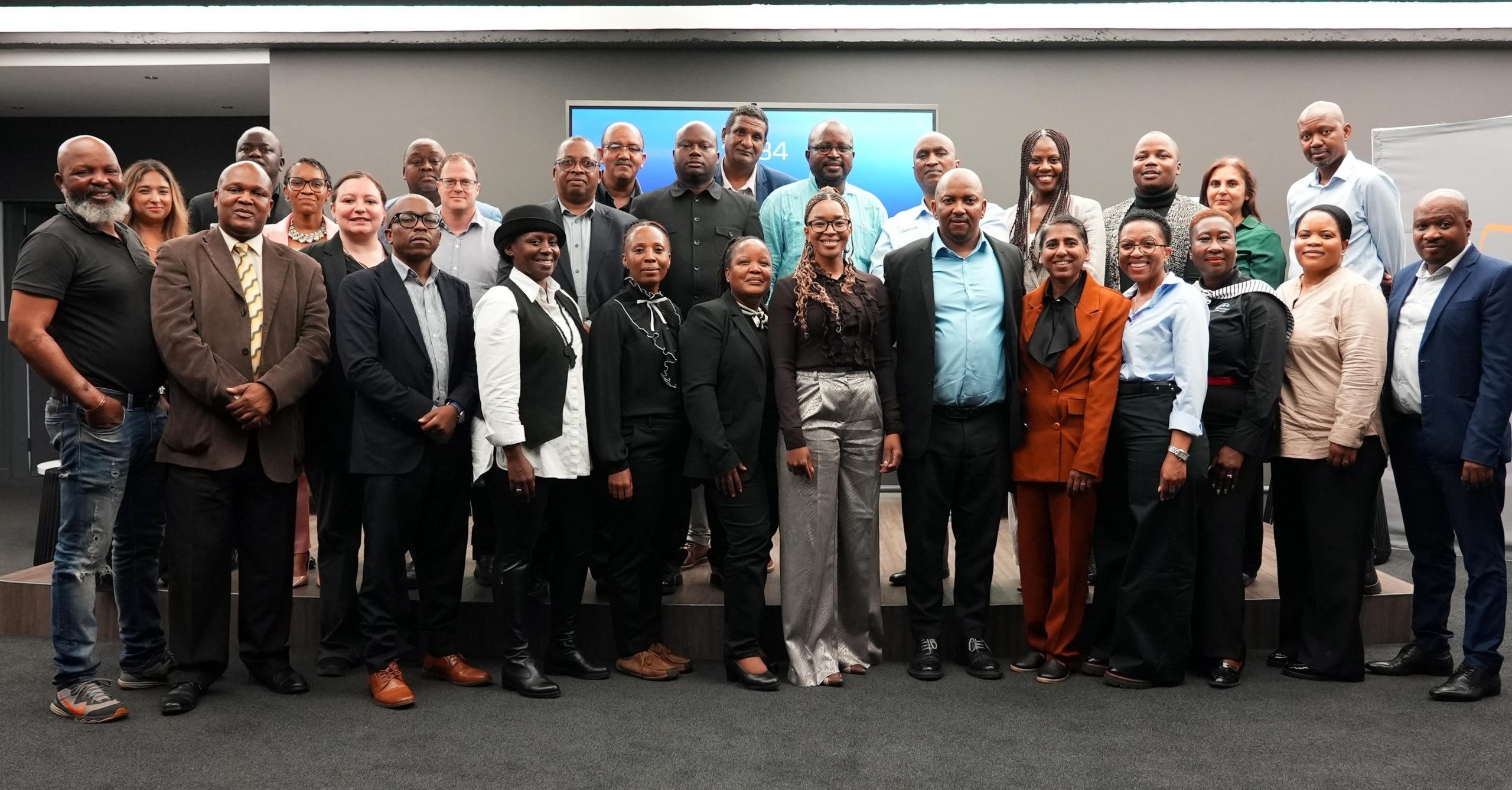
Foreign Economic Representative (FER) designates in South Africa were given an on-the-ground look at one of the country’s most strategic industrial assets during a site visit to the Tshwane Automotive Special Economic Zone (TASEZ) on Monday, 23 March 2026.
The visit highlights the zone’s growing role as a catalyst for investment, trade and industrial expansion.
FERs provide direct access links to foreign markets for South African businesses, spot and recruit foreign direct investment into South Africa, gather foreign market intelligence, and assist South African and foreign businesses in accessing the Department of Trade, Industry, and Competition’s (the dtic) various programmes.
They play a central role in marketing South Africa internationally and are essential for attracting foreign investment and ensuring that South African businesses can access international markets.
Monday’s visit to TASEZ formed part of the dtic’s FER Capacity Building Programme, which is aimed at equipping South Africa’s economic diplomats with the tools and insights needed to position the country competitively in global markets.
TASEZ, South Africa’s flagship Special Economic Zone, is driving a new model of integrated, export-oriented industrial development anchored in the automotive sector.
“Our vision is to be the benchmark for SEZs in South Africa while contributing to the growth of the automotive sector, to be a major creator of new businesses and contributor to employment, transformation, and socio-economic development,” TASEZ CEO Dr Bheka Zulu told the designates.
Located adjacent to the Ford Motor Company’s Silverton assembly plant in the City of Tshwane, the zone has become an important node in South Africa’s automotive value chain, linking manufacturers, component suppliers and logistics infrastructure.
For FER designates, the visit underscored the importance of SEZs as practical instruments of economic policy, not simply as investment destinations, but as places that enable scale, efficiency and global competitiveness.
The programme emphasises the role of provincial investment promotion agencies and SEZs in attracting foreign direct investment, facilitating trade and supporting exporters.
Through exposure to projects like TASEZ, designates are able to see for themselves how economic policy converts into investment assets that appeal to international investors.
During the visit, participants were introduced to the operational aspects of the zone, including its infrastructure offering, investor incentives and sectoral focus.
The experience provided insight into how TASEZ is addressing key investor requirements such as proximity to original equipment manufacturers (OEMs), access to logistics corridors, and a supportive regulatory environment.
“We see TASEZ as an engine for growth, an engine for development and an engine for innovation,” Dr Zulu told the visitors.
In addition to its location in the country’s economic hub of Gauteng, TASEZ is also positioned as a catalytic project within the province’s broader industrial strategy – demonstrating how public-private partnerships can unlock large-scale investment and stimulate downstream economic activity.
The site visit also highlighted the importance of aligning national economic diplomacy with provincial growth strategies.
The on-site visit allows FER designates to identify investment opportunities and facilitate trade partnerships in their respective markets.
As South Africa intensifies its efforts to attract investment and expand exports, initiatives such as the FER Capacity Building Programme, coupled with exposure to high-impact projects like TASEZ, are working hard to strengthen the country’s ability to compete globally.