
4 August 2026
By Mandla Mpangase
A business that started as a car wash in 2018 has grown into a diversified manufacturing company producing automotive components, homeware, medical waste containers and 3D-printed products – a transformation that underscores the role of supplier development and Special Economic Zones (SEZs) in building South Africa’s industrial base.
Speaking on the sidelines of the 2nd International Special Economic Zones Infrastructure and Investment Conference in July 2026, Zwi Nelwamondo, Managing Director of Lwams Africa Group, said the company’s evolution reflects a deliberate strategy to move beyond participating in the automotive industry as a supplier of services to becoming a manufacturer.
“Lwams Africa Group was founded in 2018. We were only doing the car wash business in 2018, and then in 2020 we got a contract to supply these number plates. We just wanted to add value into the automotive value chain, not only by being a middleman, but rather being a manufacturer,” said Nelwamondo.
Lwams Africa Group is a Tshwane Automotive Special Economic Zone (TASEZ) enterprise development beneficiary.
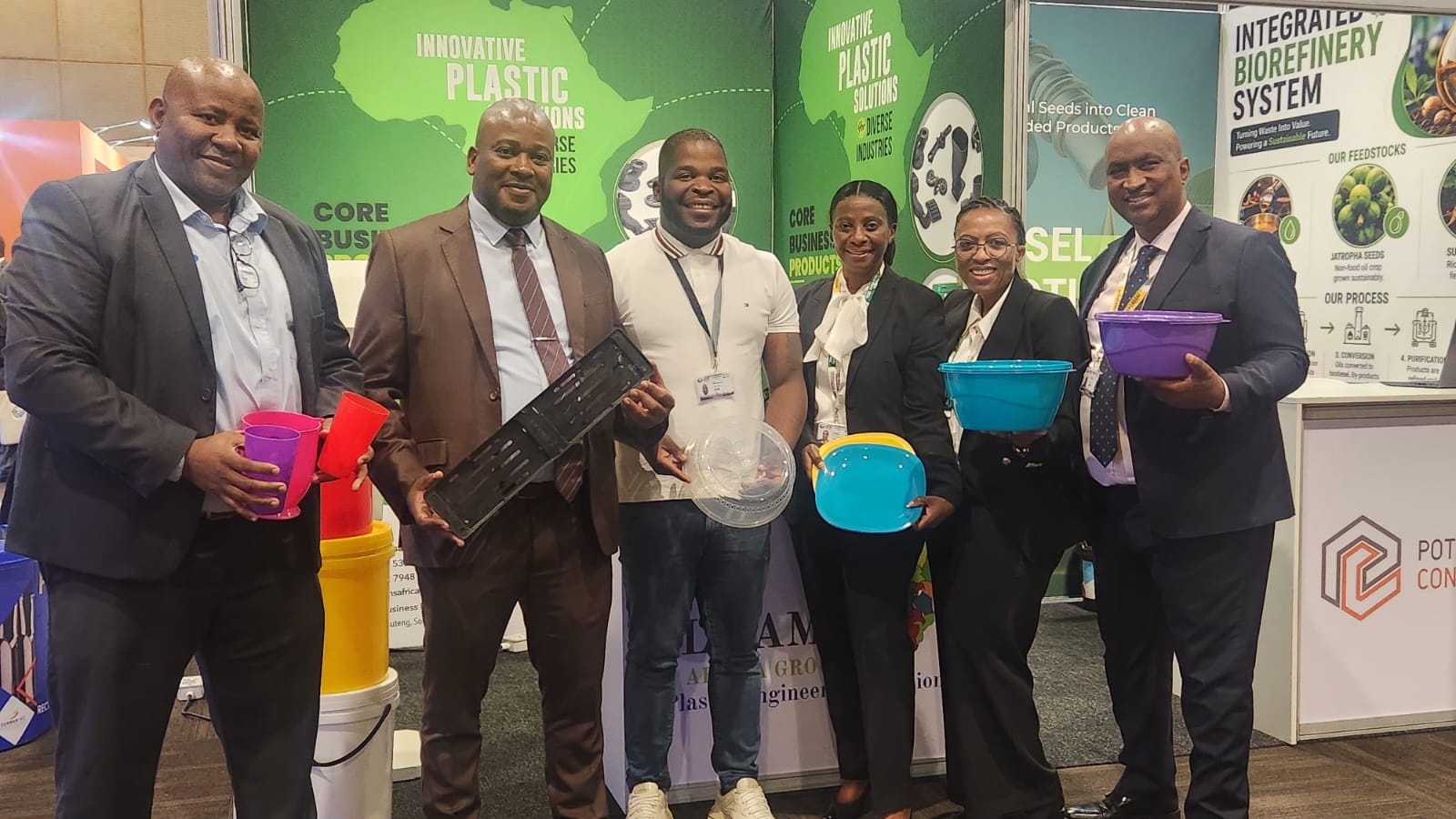
The shift into manufacturing laid the foundation for a broader product portfolio. Today, the Pretoria-based company manufactures household products including lunch boxes, plates and microwave covers, produces medical waste buckets, and offers in-house 3D printing services using its own equipment and proprietary designs.
“Everything is in-house. We’ve got our own machines. We own our designs as well,” Nelwamondo said.
He said expanding the business required significant investment in manufacturing equipment, with access to finance proving to be one of the company’s biggest hurdles.
“My challenge was more on the finance to acquire equipment. We approached government, and they assisted with funding, and then we were able to get equipment that is currently running in our facility,” he explained.
Nelwamondo also credited supplier development initiatives with accelerating Lwams Africa Group’s growth, helping it become part of the Tshwane Automotive Special Economic Zone family through its connections to anchor tenant Ford.
The company joined Ford’s supplier development programme after responding to a public call for applications.
“We applied to be part of the programme, and fortunately enough we got to be part of the supplier development. Ford really played a big role in the success of our company from the inception up until now, and we are looking forward to a continuous relationship going forward,” he said.
His experience reflects one of the central themes of the conference – that industrialisation depends not only on attracting investment into SEZs, but also on developing local enterprises capable of integrating into manufacturing value chains and expanding their capabilities over time.
For emerging manufacturers, conferences such as the International SEZ Infrastructure and Investment Conference also provide an important platform to connect with potential customers and partners.
“A platform like this assists small businesses like us because it’s access to the market. We get to meet other businesses that can be interested in our product offering, and already we’ve got a couple of leads through the engagements we’ve had,” Nelwamondo said. His company’s journey from a small car wash operation to a diversified manufacturer demonstrates how targeted supplier development, government support and access to market opportunities can enable South African businesses to move up the industrial value chain while contributing to a more resilient and competitive manufacturing sector.