
6 August 2026
By Mandla Mpangase
What began as a logistics consulting business has evolved into an innovative clean energy enterprise that is transforming waste cooking oil into biodiesel, demonstrating how South African entrepreneurs are finding sustainable solutions to support both industry and the environment.
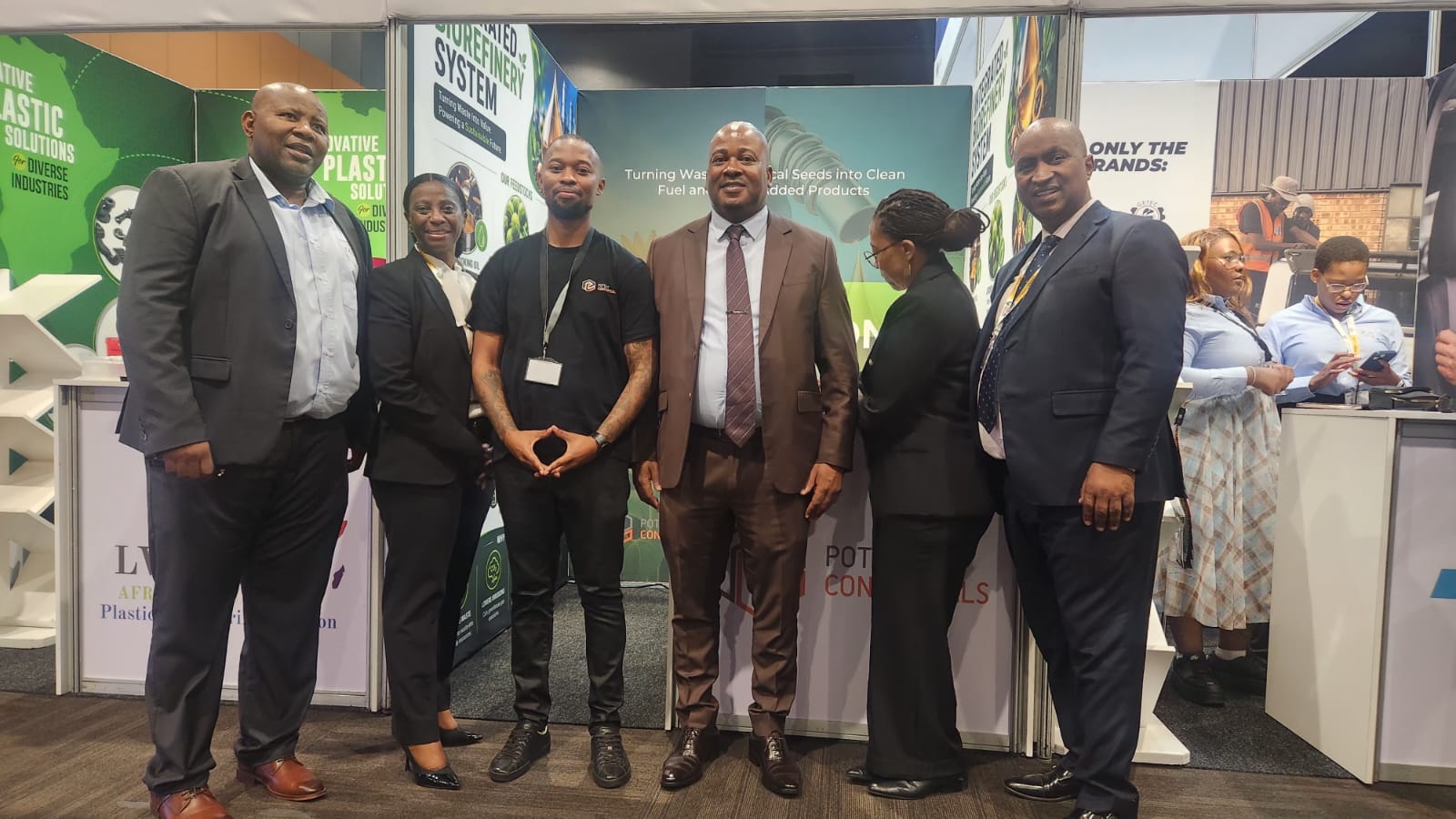
Speaking on the sidelines of the 2nd International Special Economic Zones (SEZ) Infrastructure and Investment Conference, Mooketsi Makena, co-founder and owner of Potent Conceptials, said the company’s journey reflects how enterprise support, innovation and partnerships can unlock new opportunities within the automotive and transport sectors.
Founded in 2020, Potent Conceptials initially focused on consulting services for the logistics industry before expanding into technology and, more recently, renewable energy.
“When we started in 2020, we started as consulting agents within the logistics industry. Our focus was on RTMS (road transport management systems) and PBS (performance-based standards that monitor the operational performance of heavy-duty vehicles), and then we went into the ICT sector, where we are still developing a data and compliance management app for the logistics sector. Late last year, we started our biodiesel manufacturing project,” Makena said.
The company’s latest venture aims to produce cleaner-burning biodiesel from used cooking oil, with plans to expand into other sustainable feedstocks.
“Biodiesel is clean diesel, so it has fewer emissions. We’re producing it from used cooking oil, and we’re looking at using alternative feedstocks such as sunflower seeds and other oilseeds. When you drive, you’re driving cleaner,” he said.
Makena said the idea emerged after he recognised both a market opportunity and an environmental challenge.
“I saw a gap in the market within the clean energy industry. Around the world, the focus is now on clean energy. At home we had used cooking oil that we couldn’t dispose of properly. When I researched what could be done with it, it led me to biodiesel. It helps the environment – no more clogged drains and no more soil pollution,” he explained.
His company’s work aligns with the automotive industry’s growing emphasis on reducing emissions and adopting more sustainable fuels, highlighting the role that innovative small businesses can play in supporting South Africa’s transition to greener mobility.
Makena said support from the Tshwane Automotive Special Economic Zone (TASEZ) has been instrumental in helping Potent Conceptials gain exposure to investors and potential business partners.
“The support I get from TASEZ is important because this is actually the second exhibition that they have sponsored for me. The first one was the Energy Indaba, where I got amazing leads. They are giving me access to investors, partners, and also the market that I need to tap into, so they are quite beneficial,” he said.
That support reflects one of the key themes emerging from the conference: that Special Economic Zones are not only attracting investment into strategic industries, but are also creating opportunities for innovative small businesses to commercialise new technologies, access markets and contribute to South Africa’s industrial development.
Makena believes innovation is also about making better use of the tools and resources already available.
“Young people have tools that we’re not using correctly. AI can give you ideas and teach you new skills. If we focus on learning about areas such as clean energy, we can unlock many opportunities,” he said.
Looking ahead, Potent Conceptials aims to establish a fully operational biodiesel production facility capable of producing between 70 000 and 150 000 litres of biodiesel a week, helping to supply cleaner fuel solutions to the transport and automotive sectors while advancing South Africa’s green industrial economy.