
14 July 2026
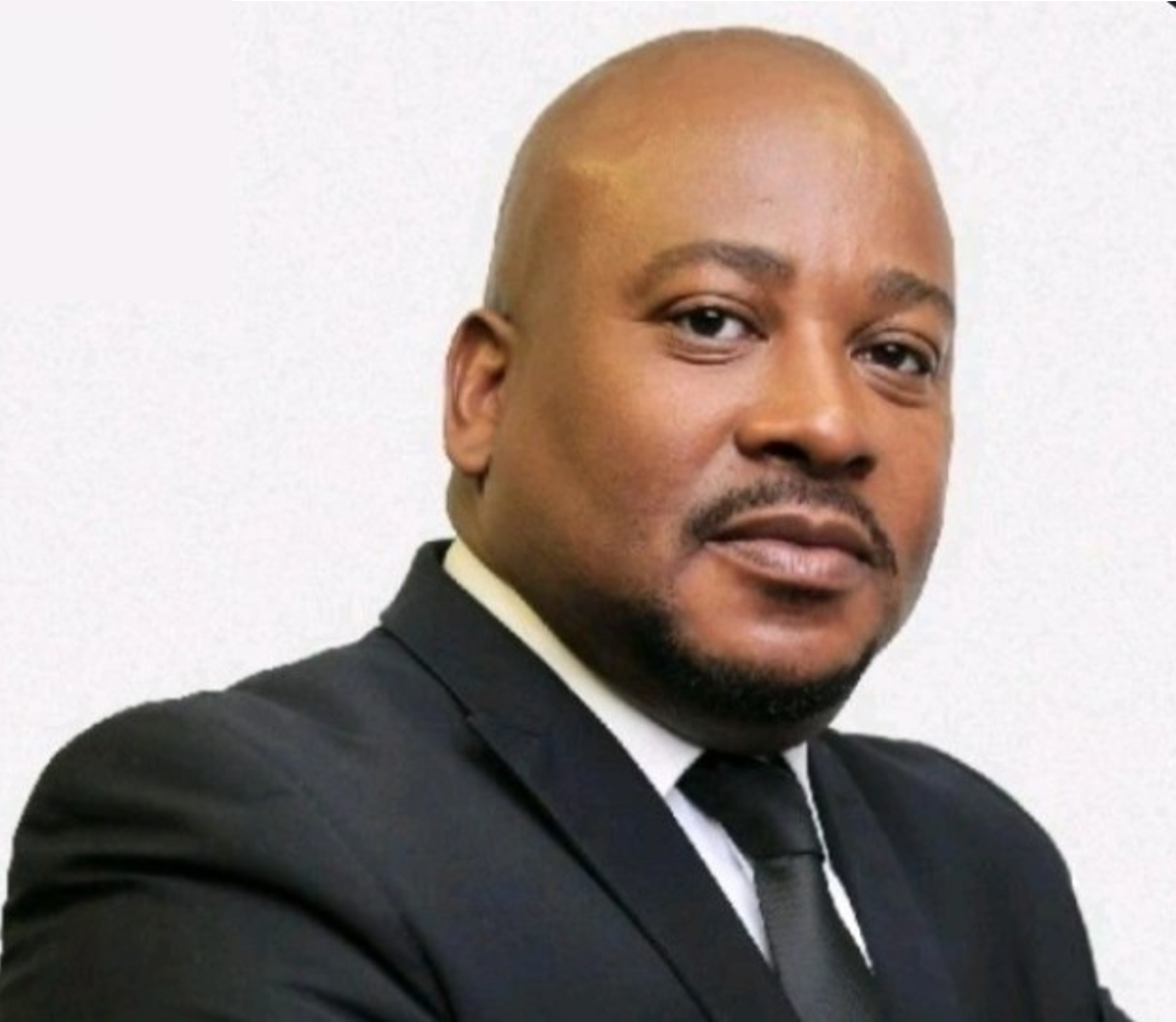
By Andile Sangweni, TASEZ CEO
The 2nd International Special Economic Zones Infrastructure and Investment Conference, taking place in Durban on 16 and 17 July, has the potential to redefine how South Africa thinks about industrial development in an era of slowing global growth, rapid technological change and increasing competition for investment.
And the timing could not be more important.
If its programme is any indication, this is not simply another investment conference. It is an opportunity to redefine how South Africa thinks about industrial development.
For too long, South Africa’s economy has struggled to escape low growth, high unemployment and declining industrial competitiveness. Manufacturing’s contribution to GDP has steadily contracted, while many industrial towns have become shadows of what they once were. At the same time, global supply chains are being rewritten as countries seek resilience, localisation and regional manufacturing hubs.
South Africa cannot afford to watch from the sidelines.
The conference theme of “Reigniting industrialisation through world-class special economic zones” recognises that Special Economic Zones (SEZs) are no longer simply fenced industrial estates offering tax incentives. Around the world, successful SEZs have evolved into sophisticated ecosystems that combine infrastructure, logistics, skills development, innovation, research, housing and investment into integrated economic regions.
The Durban programme reflects this shift.
It begins not with discussions about incentives, but with the launch of South Africa’s new Industrial Policy before moving into a keynote address by President Cyril Ramaphosa – an acknowledgement that industrialisation must once again occupy the centre of economic policy.
Equally significant is the discussion asking the fundamental question: “Why invest in SEZs now?”
Rather than relying on theory, the panel brings together leaders from Ford Motor Company South Africa, DP World Mozambique, AIH Group and Nyanza Light Metals to provide an investor’s perspective on why SEZs remain attractive destinations for global capital.
That conversation matters because governments do not create jobs—businesses do. Governments create the environment in which investment becomes possible.
Perhaps the most important evolution in thinking is reflected in the session examining SEZs as engines for smart city development. This signals a departure from the traditional notion of industrial parks as isolated manufacturing precincts. Instead, delegates will consider how Special Economic Zones can become complete economic ecosystems incorporating transport, energy, logistics, housing, services and skills development.
This is precisely where South Africa must go.
The Tshwane Automotive Special Economic Zone has already demonstrated elements of this approach by integrating supplier development, skills training and automotive manufacturing into a broader industrial ecosystem. Other zones are beginning similar journeys.
The conference also recognises that South Africa’s industrial future cannot be built in isolation.
Sessions devoted to the African Continental Free Trade Area (AfCFTA), cross-border collaboration and regional competitiveness acknowledge that the next generation of industrial growth will increasingly depend on continental value chains rather than purely domestic markets. Africa’s market of more than a billion people presents opportunities that South African manufacturers simply cannot ignore.
Equally encouraging is the attention given to subjects often overlooked in industrial policy debates.
There are dedicated discussions on financing industrial infrastructure, public-private partnerships, supplier development for small businesses, export diversification, technology, innovation and the role of development finance institutions. Together, these sessions recognise an important truth: successful industrialisation depends on an entire ecosystem, not a single policy intervention.
This is where the conference has the potential to become genuinely transformative.
South Africa has spent years discussing industrialisation. The challenge now is implementation.
That means ensuring infrastructure is delivered on time. It means creating regulatory certainty for investors. It means strengthening partnerships between government and business. It means developing skilled workers for advanced manufacturing. It means integrating small businesses into industrial value chains instead of leaving them at the margins. And it means building export-oriented industries capable of competing internationally.
SEZs cannot solve every structural problem facing the economy.
But they can become laboratories for reform – places where better governance, faster approvals, modern infrastructure and collaborative partnerships demonstrate what is possible for the wider economy.
Ultimately, the real measure of the Durban conference will not be the number of delegates attending, the quality of its presentations or the awards handed out at the gala dinner.
Its success will be measured by what happens afterwards.
- Will new investments be announced?
- Will infrastructure projects move from planning to construction?
- Will manufacturers expand production?
- Will South African firms export more?
- Will more young people find skilled employment in industries of the future?
These are the questions that matter.
Industrialisation is not a nostalgic return to the factories of the past. It is about building a competitive economy capable of producing the technologies, products and supply chains that will define the future.
If South Africa is serious about inclusive growth, reducing unemployment and competing in the global economy, then the conversations taking place in Durban should not remain inside the conference venue.
They should become the blueprint for the country’s next chapter of industrial development.