Tasez

NAAMSA

Milestones, meetings, momentum and meaningful growth: 2025, the year that was

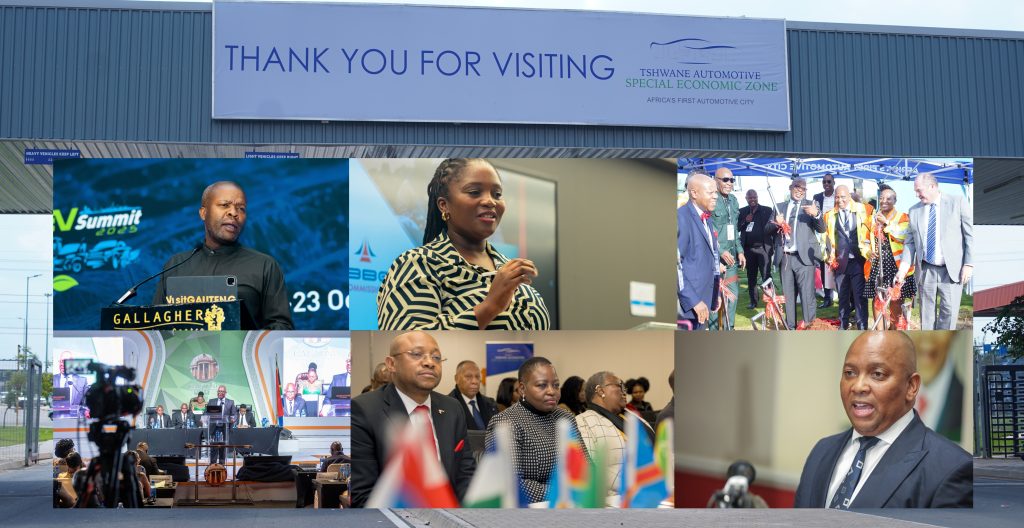
As 2025 draws to a close, the Tshwane Automotive Special Economic Zone looks back on a year that truly defined Africa’s first automotive city. It was a year of bold steps forward, strengthened partnerships, international visibility and a deepening role in South Africa’s industrialisation agenda, writes TASEZ CEO Dr Bheka Zulu. From breaking ground on new infrastructure to hosting high-level national events, TASEZ continued to prove why it is the country’s leading special economic zone (SEZ). Breaking new ground: Phase 2 takes off One of the standout highlights of the year was the sod-turning ceremony for Phase 2 of the TASEZ development, involving the Gauteng Premier, Panyaza Lesufi, TASEZ board members and anchor tenant Ford. The event signalled the start of an ambitious expansion designed to support South Africa’s next wave of automotive and component manufacturing investment. Phase 2 introduces new industrial platforms, expanded capacity for suppliers, and opportunities for medium, small, and micro enterprise (MSME) participation. It positions TASEZ to meet growing global demand, particularly in new energy vehicles (NEVs), and strengthens its integration into Tshwane’s industrial and logistics corridors. This moment marked a powerful step into the future and demonstrated the commitment from government, industry and local partners to drive sustainable, job-rich economic growth. An historic first: Hosting the State of the Province Address In February, TASEZ made history by becoming the first government institution to host a State of the Province Address (SOPA). This landmark moment brought South Africa’s leadership, the diplomatic community, the automotive sector and media into the heart of the SEZ. Hosting the SOPA showed that TASEZ is not only a centre of production, but a national platform for dialogue, policy direction and public accountability. The event showcased the SEZ’s impressive infrastructure, operational readiness and central role in the province’s economic plans. For many South Africans watching or attending, TASEZ became synonymous with Gauteng’s vision of a modern, industrial, investment-ready economy. Expanding global reach: TASEZ heads to China and hosts SADC International engagement was a defining feature of 2025. This was reinforced by a successful business mission to China, where TASEZ leadership met with major automotive manufacturers, potential investors and technology partners. The visit focused on: With China leading global NEV production and innovation, this mission placed TASEZ firmly on the radar of companies looking for a strategic African manufacturing base. In addition, in yet another first for a South African SEZ, TASEZ welcomed the heads of mission from the Southern African Development Community (SADC) to share information and talk about unlocking opportunities for economic growth in the region. The TASEZ team, headed by CEO Dr Bheka Zulu, rolled out the red carpet for the distinguished SADC delegation – ambassadors, high commissioners, and chargés d’affaires – along with representatives from the Department of International Relations and Cooperation and the Department of Trade, Industry and Competition, Brand South Africa, and Trade and Investment KwaZulu-Natal. This gathering was not just a simple meeting – it was a deliberate step toward weaving stronger ties between neighbours, aligning with the goals of SADC, the Southern Africa Customs Union, and the African Continental Free Trade Area. Strengthening policy alignment: Visits from TIPS and Parliament Two significant engagements this year reinforced TASEZ’s role as a strategic player in South Africa’s industrial development landscape: a visit by the parliamentary portfolio committee for trade, industry and competition, followed by a visit from TIPS (Trade and Industrial Policy Strategies). The parliamentary visit highlighted TASEZ’s importance in national oversight and industrial planning. Members engaged with management, toured facilities and assessed the SEZ’s socio-economic impact. The research institution visited the SEZ to assess its contribution to localisation, job creation and competitiveness. Their findings helped strengthen policy alignment and opened discussions on future collaboration. Both visits affirmed that TASEZ is not just delivering – it is taking the lead. Governance excellence: Five clean audits in a row In a year filled with milestones, one achievement stands out for its consistency and integrity: TASEZ received its fifth consecutive clean audit. This accomplishment highlights: At a time when transparent and ethical public administration is more important than ever, TASEZ continues to demonstrate what professional, compliant, high-performing institutions can achieve. A strong industry presence: Naacam and naamsa conferences TASEZ strengthened its industry footprint this year by participating in two major automotive forums: the Naacam Show held in Gqeberha in August 2025 – engaging component manufacturers and showcasing localisation opportunities; and naamsa’s Auto Week that also took place in Gqeberha, but in October 2025 – networking with OEMs and industry leaders while promoting TASEZ’s investment-ready platforms These conferences reinforced TASEZ’s growing reputation as a critical hub for automotive manufacturing, innovation and supplier development. Driving the future: Co-hosting the first NEV Summit TASEZ took centre stage in South Africa’s transition to electric mobility by co-hosting the inaugural New Energy Vehicles Summit held at the Gallagher Convention Centre in late October 2025. The summit brought together policymakers, OEMs, suppliers, researchers and energy experts to map out the country’s role in the global NEV shift. TASEZ’s involvement sent a strong message: the SEZ is ready to become South Africa’s home of NEV manufacturing. The summit provided a platform to discuss infrastructure needs, workforce readiness, supply-chain adjustment and opportunities for new investment. Looking ahead to 2026 If 2025 was a year of bold advances, 2026 promises to be a year of consolidation and delivery. With major construction underway, new investment discussions progressing, and a clear national mandate to support industrial growth, TASEZ is set to play an even bigger role in shaping the country’s economic future. TASEZ enters the new year with momentum, credibility and a clear vision to be Africa’s premier automotive manufacturing destination.

Gauteng charges ahead with Africa’s green mobility future

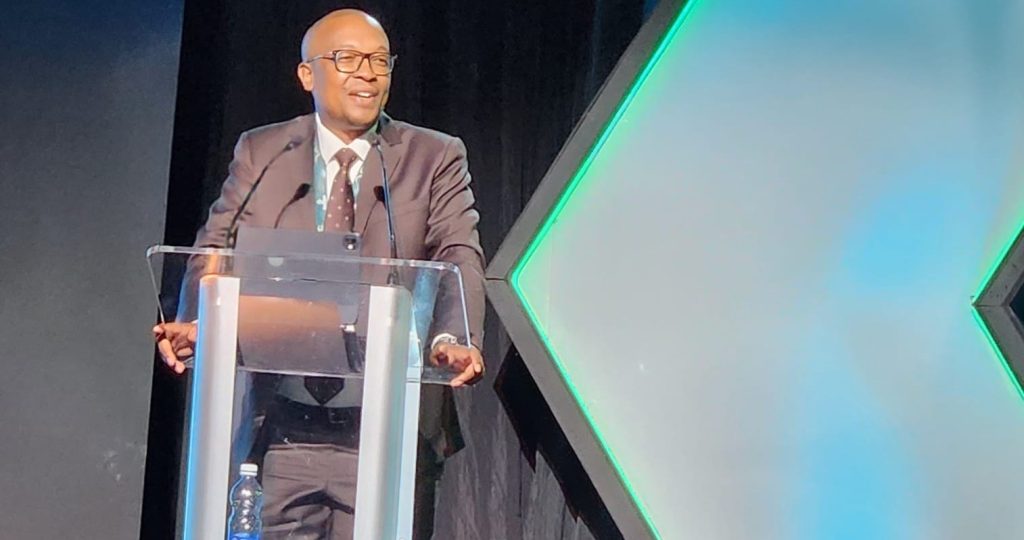
Gauteng is looking to secure its place on Africa’s map in terms of the production of New Energy Vehicles (NEVs), setting an agenda that will see a green transport revolution across the continent. Under the leadership of Gauteng Department of Economic Development, via the Gauteng Growth and Development Agency (GGDA), the province is translating big ideas into reality; from policy to production and from vision to economic reality. In September 2025, Gauteng MEC for Economic Development and Finance Lebogang Maile laid the foundation in an address at a dialogue with the automotive industry. There, he outlined the province’s ambition to turn Gauteng into the hub of Africa’s automotive industry – and NEVs have to play an important role in this. Gauteng already accounts for a third of the country’s automotive manufacturing output. In 2024, the automotive industry contributed 5.2% towards South Africa’s GDP, with 110 000 direct jobs – 33 154 in the original equipment manufacturers and 81 860 people employed by component manufacturers. It is also home to three original equipment manufacturers (OEMs), BMW, Ford and Nissan – all based in the City of Tshwane – as well as automotive development hubs such as the Automotive Industry Development Centre (AIDC) and the Tshwane Automotive Special Economic Zone (TASEZ). Together, Gauteng’s OEMs produced 1.8 million vehicles between 2014 and 2023, accounting for 32.8% of South Africa’s vehicle production, and, according to the naamsa (the Automotive Business Council), Gauteng’s automotive sector is expected to gain momentum, especially with the establishment of the Tshwane Automotive City. Making sure the vision becomes concrete, the GGDA, along with the AIDC and TASEZ, is hosting the 2025 NEV Summit to drive Gauteng towards a green automotive economy, providing insights into trends and innovations across the NEV sector. A strong manufacturing sector For decades, South Africa has powered Africa’s automotive industry. Yet the global automotive landscape is shifting rapidly. The European Union’s carbon neutrality commitments are reshaping trade and market access, making low- or zero-emission vehicles essential for competitiveness. NEVs are no longer optional, they are essential to South Africa’s continued participation in global markets and will play a significant role in meeting the target set in the South African Automotive Master Plan (SAAM 2025) to manufacture 1% of the global automotive output. Against this backdrop, the NEV Summit will unite manufacturers, investors, policymakers and innovators to accelerate South Africa’s NEV transition. It is where strategies from the SAAM 2035 and Electric Vehicle White Paper move from the drawing board to the production line. As South Africa’s industrial heartland, Gauteng – which produces a vehicle every three minutes – offers a complete ecosystem with world-class logistics, skilled labour, top universities, and a strong innovation network that is capable of driving the green mobility revolution forward. Through its focus on localisation, battery manufacturing, and value chain integration, Gauteng offers Original Equipment Manufacturers (OEMs) and investors a ready-made base for the NEV industry. Gauteng’s proactive approach positions South Africa as both compliant with international climate goals and competitive within the global market. Sustainability is no longer a nice-to-have; it is now a core driver of industrial success. Building skills for the future The shift to NEVs also demands new skills – from battery technology to software development and recycling innovation. Gauteng’s education and training institutions, supported by the GGDA, AIDC and TASEZ, are already preparing the workforce for this next-generation economy. The province is not only building factories, it is building people, ensuring that the transition is inclusive and sustainable. Gauteng’s ambition extends beyond South Africa’s borders. With Africa’s rich reserves of lithium, cobalt, and manganese – critical for battery production – the province aims to localise value-add and establish itself as the gateway for Africa’s NEV value chain. This also fits neatly in the target set in the SAAM 2025 to raise localisation to 60% by the middle of the next decade. By creating a connected network of automotive and energy hubs across the continent, Gauteng is laying the groundwork for Africa to lead the continent’s green transition. The NEV Summit 2025 will showcase how Gauteng is driving this transition, demonstrating that green growth and industrial expansion are not opposites, they are on the same route.

South Africa’s auto industry holds advantage in Africa, Says Minister Tau

By Mandla Mpangase South Africa’s automotive industry continues to anchor the country’s manufacturing capacity and offers a “unique competitive advantage” on the African continent, despite facing significant global and domestic headwinds. This was the message from Minister of Trade, Industry and Competition, Parks Tau, addressing delegates at South Africa Auto Week 2025, hosted by naamsa (The Automotive Business Council) in Gqeberha from 1–3 October. Tau said that while the sector has weathered one of its most challenging periods over the past nine months, it remains one of the cornerstones of South Africa’s economy. “In 2024, the industry contributed 5.2% to GDP and accounted for 22.6% of total manufacturing output. It provides nearly 500 000 formal jobs across assembly, components, retail and services, while supporting around one million livelihoods,” he told delegates. New markets and partnerships Tau highlighted fresh opportunities emerging on the continent and beyond. Following recent engagements in Saudi Arabia and Nigeria, he said South African component manufacturers could partner with counterparts in those countries to expand their footprint. “We’re prepared to allow African investors to partner with our local companies and create manufacturing capacity in those markets. It is an opportunity we must take advantage of,” Tau explained. At the same time, global OEMs operating in South Africa have committed to transitioning from semi-knockdown to complete knockdown production, deepening local manufacturing capacity. “Our duty is to work with these companies to ensure they become part of the local production base, taking advantage of South Africa’s skills and positioning the country as a platform for access to African markets,” Tau added. Transition to new energy vehicles The minister stressed that the industry is at a critical “inflection point” as global markets accelerate their shift away from fossil fuel vehicles towards new energy vehicles (NEVs). With major export destinations such as the European Union and the United Kingdom moving to ban new petrol and diesel vehicles from 2035, South Africa must adapt or risk losing market share. Already, the shift is underway: in 2024, South Africa recorded 15 600 new energy vehicle sales, representing 3% of the local market. The sector also attracted R12-billion in new investment for NEV-related manufacturing. Government has introduced measures to support this transition, including a 50% tax deduction for qualified NEV investments, partnerships with universities and research institutions, and strategies to localise production of critical inputs such as battery materials. “This is not just an industrial project,” Tau said. “It is about positioning South Africa at the heart of the global mobility revolution, not as a taker of technology, but as a maker. If we succeed, we will safeguard exports, create jobs, and place Africa at the forefront of clean mobility solutions.” Africa as an engine of growth Africa has emerged as a key market, with the continent becoming South Africa’s second-largest export destination in 2024. Vehicle exports into Africa grew by 12.4% year-on-year to R48.1-billion. The African Continental Free Trade Area (AfCFTA) is expected to further unlock opportunities, from reducing logistics costs to enabling vehicle assembly across the continent. Beyond vehicles, Tau noted, it could also drive mineral beneficiation, particularly for critical minerals such as cobalt, graphite, and lithium essential for the NEV transition. “Together, Africa can build a battery industry that reduces dependence on imports and positions the continent as a hub for clean mobility,” he said, adding that South Africa is leading the development of an African automotive hub that could align policies and attract investment. In closing, Tau emphasised that South Africa’s auto sector, with its industrial depth and mineral wealth, is uniquely positioned to lead Africa’s role in the global energy transition. “The automotive sector has been at the heart of our industrial story for more than a century. Today, it stands at a defining moment. “Its transition to new energy vehicles will define our relevance in a low-carbon world, while its integration into Africa’s free trade area positions us as leaders on the continent,” he said. “If we seize this opportunity, we will not only secure South Africa’s competitiveness but also place Africa at the forefront of the global mobility revolution.”

Auto manufacturing leaders urge action on investment

By Mandla Mpangase South Africa’s automotive sector, a key industry for the country’s economy, faces losing ground globally unless decisive action is taken to attract and retain new investment. This was the central message of a high-level panel discussion at South African Auto Week 2025 in Gqeberha from 1 October 2025. This year’s South Africa Auto Week, hosted by the Automotive Business Council (naamsa), is being held under the theme “Reimagining the future together – Cultivating inclusive growth and shared prosperity”. The panel, moderated by Financial Mail and Business Day editor-at-large David Furlonger tackled the topic “Salient ingredients to attract new investment for auto manufacturing in South Africa”. Furlonger opened the discussion with a stark reminder: while global markets are making inroads with new energy vehicles, South Africa lags behind. “We are very good at coming up with plans, but not so great at implementing them,” he warned. “Now we need action.” Policy and incentives The director of advanced manufacturing at Invest SA, an agency of the Department of Trade, Industry and Competition, Rashmee Ragaven, outlined a suite of government programmes, including the Automotive Production and Development Programme and the Automotive Investment Scheme, that have been designed to support manufacturers Ragaven stressed the importance of partnerships between government and industry, and the role of free trade agreements, skills development, and special economic zones such as the Tshwane Automotive Special Economic Zone based in Gauteng, and the Eastern Cape’s industrial development zone of Coega in anchoring investment. But Ragaven acknowledged speed is critical to bringing about any change. “The partnerships are there, but the speed of action is even more critical now than ever before.” The Eastern Cape scenario CEO of the Eastern Cape Development Corporation, Ayanda Wakaba, highlighted the vulnerability of the province’s automotive industry, long a hub for OEMs such as Mercedes-Benz and VW. “The market dynamics have shifted so much that establishing an industrial plant today is very different from before. “We must benchmark ourselves against what other countries are doing,” he said. While defending the sector remains essential, Wakaba stressed the need to diversify into new industries and leverage digital infrastructure investments in rural areas to broaden economic opportunities. A call for action For Andreas Brand, CEO of Mercedes-Benz SA, the formula is simple: action. He pointed to Mercedes-Benz’s investments in solar energy and skills development through its learning academy as proof that collaboration with the government can deliver results. “Without acting, theory never hits reality,” he said. “We need robust, constructive engagement and specific actions that all parties adhere to. That is what delivers change.” Mickey Mama, head of department at the Eastern Cape’s Department of Economic Development, Environmental Affairs and Tourism, drew comparisons with Morocco and Eastern Europe, both of which have surged ahead of South Africa in attracting investment. “Our municipalities take too long to approve applications. Morocco has a turnaround time that outpaces us completely,” Mama said, warning that red tape and a lack of policy clarity on NEVs risked pushing investment elsewhere. Chinese brands on the lookout for opportunities South Africa is also facing a wave of interest from Chinese automotive brands, but obstacles remain. Conrad Groenewald, COO of Great Wall Motors, noted that while Chinese firms are eager to invest outside of China, South Africa’s current policies make it hard to justify the return on investment. “We compete globally. South Africa is already at a disadvantage, being at the tip of Africa. We need policies that allow reasonable returns for investors,” he said. Groenewald also cautioned that rising import duties and the potential removal of import credit benefits would hurt consumers and deter new entrants. “Vehicle pricing has already outpaced earnings. If policies change further, it will make it even harder to do business here,” he warned. Need to strengthen component supplier base Bronwyn Kilpatrick, CFO of Toyota, stressed the urgent need to strengthen South Africa’s tier two and tier three supplier base. “In South Africa, our manufacturing pyramid is inverted. Only 20% of value-add comes from local tier two and three suppliers. In Thailand, it’s the opposite, and it’s driven by targeted incentives,” she explained. Developing smaller suppliers, however, requires long-term commitment, mentorship, and patient capital, she added. The time to act is now Across the panel, one complex theme emerged: the need for clear policy, faster implementation, and real partnerships to support both OEMs and suppliers. As Ragaven concluded: “There is a shift in mindset in government, but speed is critical. We cannot afford to wait any longer.” South Africa’s automotive sector, which contributes nearly 5% to GDP and supports hundreds of thousands of jobs, now faces a defining moment. Competing nations like Morocco, Thailand, and Eastern Europe have shown what decisive policy and execution can achieve. South Africa must act – and it must act now – to translate its world-class skills and its hard-earned manufacturing expertise into a future-ready industry.

TASEZ shares investment ideas, experience with African SEZs

By Mandla Mpangase The leaders of Africa’s special economic zones (SEZs) – including Africa’s first automotive city – are putting their minds to the role they can play in attracting impactful investments and redefining competitiveness. This theme set the tone for the annual meeting of the African SEZs which was held in Nairobi, Kenya, at the end of November 2024. The meeting was attended by some 300 participants representing governments, international experts, decision-makers, financial institutions and representatives from the various SEZs. The Tshwane Automotive Special Economic (TASEZ) team participated in the meeting in order to “see how we are positioned in terms of the SEZs across the continent”, according to TASEZ CEO Dr Bheka Zulu, adding that it was surprising to find that TASEZ was ahead of the curve. “We have a lot to contribute, and we have much to learn too,” Dr Zulu adds. There are more than 200 operational SEZs in 47 countries on the continent, according to the African Economic Zones Outlook 2021. This breaks down into 150 000 hectares dedicated to manufacturing, ago-processing and services. It is estimated that more than $2.6-billion has been invested in these zones. South Africa currently has 11 SEZs based in different provinces: in the Eastern Cape are Coega and the East London SEZs; Maluti-A-Phofung is in the Free State; OR Tambo and the Tshwane Automotive Special Economic Zone (TASEZ) are situated in Gauteng; Dube Tradeport and Richards Bay are based in KwaZulu-Natal; the Musina/Makhado SEZ is in Limpopo; Nkomazi is based in Mpumalanga; and the Atlantis and Saldanha Bay SEZs are in the Western Cape. The African SEZs annual meeting is the flagship event of the African Union Commission (AUC) and the Africa Economic Zones Organisation (AEZO), providing insights on critical issues related to the development of SEZs in Africa. Said Business Development Executive Msokoli Ntombana: “SEZs are viewed as one of the key instruments to accelerate industrialisation, attract important foreign direct investments, and stimulate the country’s economy. It is crucial that these elements are firmly in place to answer the call of the National Development Plan to create jobs, fight poverty and promote socio-economic equality. “Not only are these priorities for South Africa, but are crucial for Africa’s success, as driven by the Africa Agenda 2063. SEZs have a critical role to play in shaping Africa’s economic landscape long-term,” Ntombana says. Topics covered at the Nairobi meeting included: Building intelligent infrastructure, focusing on necessary infrastructure upgrades, such as 5G networks and data centres to support industrial activity securely; Workforce development, looking at strategies for upskilling the workforce to integrate large-scale technologies; Regulatory frameworks for new technologies, examining how policies can be adapted to foster technology innovation while protecting data privacy and ensuring ethical use; Sustainability, discussing the integration of circular economy principles, eco-industrial parks, and sustainable urban planning in SEZ development; Financing sustainable SEZs, looking at innovative financing mechanisms such as green bonds and climate funds to support the sustainable development of SEZs; and Policy and governance, examining how African governments can create conducive environments for the growth of socially inclusive and sustainable SEZs. “As we head into the age of the new energy vehicles (NEVs), it is important to recognise that most of the commodities required for NEV development comes from the African continent,” the CEO says. “So for us to tap into the relationships with our brothers and sisters is actually forward- looking, because we have the insight to be able to create trade lines between ourselves,” Dr Zulu notes. “It is important to capacitate the rail infrastructure between the original equipment manufacturers based in the City of Tshwane and our ports, which are crucial to the export of vehicles to our global markets,” TASEZ CEO Dr Bheka Zulu noted.

Inclusive growth path will benefit SA economy – Finance Minister

By Mandla Mpangase While fiscal prudence is the name of the game for the Minister of Finance Enoch Godongwana, a key standout – as far as automotive manufacturing industry in general, and the Tshwane Automotive Special Economic Zone (TASEZ) in particular – is the confirmation of rail upgrades between Tshwane and Gqeberha. Minister Godongwana delivered his 2024 Medium-term Budget Policy Statement (MTBPS) in the National Assembly on 30 October 2024. His policy statement outlined the country’s strategy to lift the economy to a higher and more inclusive growth path, and rests on four pillars: maintaining macroeconomic stability; implementing structural reforms; supporting growth-enhancing infrastructure; and building state capability. Speaking of the renewed energy that followed the national elections earlier this year, the minister said: “There is a new light that is shining down on our country and on our economy. The recent elections demonstrated the resilience and maturity of our young democracy.”   Three priorities sit at the heart of government policy: Pillar three of the MTBPS is about effective infrastructure investment that will boost economic activity and enable higher growth over the medium term. “In this regard, we are implementing reforms that will create conditions to attract greater private sector participation.” One particular aspect of this is “to increase the pool of funders to diversify public infrastructure financing through new mechanisms and instruments. These include build-operate-transfer (BOT) structures and other concessions”.   Included in this particular programme are capacity upgrades on the rail network from Watloo in the City of Tshwane – near TASEZ and the Ford plant in Silverton – to Gqeberha. This is particularly important given that the South African automotive industry is export-driven, with vehicles needing to be shipped to international markets. “It is important to capacitate the rail infrastructure between the original equipment manufacturers based in the City of Tshwane and our ports, which are crucial to the export of vehicles to our global markets,” TASEZ CEO Dr Bheka Zulu noted. Minister Godongwana added that a request for proposals will be issued this year for funders who are interested in supporting projects such as the Watloo to Gqeberha upgrades. “Collectively, the infrastructure reforms will strengthen planning, appraisal, contracting, financing, and monitoring and evaluation.  “The outcome will be faster delivery of infrastructure that supports economic growth, the expansion of access to basic services and boosting job creation.” According to naamsa, the Automotive Business Council, Gauteng has the highest diversity in the country’s automotive profile, housing three OEMs as well as the majority of first- and second-tier automotive component suppliers in the country. “The economic muscle of the South African automotive industry, with its economic gains far outweighing its fiscal costs, cannot be underplayed.” Vehicle export value topped R203,9-billion in 2023.

TASEZ supports African conference on optimising economic growth regionally

The start of Women’s Month saw some 150 women leaders from across Africa gather in Cape Town to discuss critical issues related to the blue economy, from boosting regional cooperation for sustainable development to building and diversifying the maritime industries across the continent, from training and education to legal rights at sea. The delegates, representing leadership and management in different sectors of the blue economy, were taking part in the 7th WISTA Africa Conference, held at the University of Cape Town’s School of Business Conference Centre from 31 July to 2 August 2024. With the world becoming ever smaller and more interconnected due to technological advances, the theme of the conference was fittingly entitled “Turning the tide: Towards effective regional co-operation to optimise economic growth” – placing an emphasis on several of the United Nations’ Development Goals, including Goals 1, 2 and 14, which refer to the eradication of poverty; working towards a world with zero hunger; and conserving our oceans, ensuring they are sustainably utilised. Set up 50 years ago, in 1974, WISTA – Women’s International Shipping & Trading Association – is a global networking association for women in leadership and management roles in the maritime industry, with the vision of promoting diversity in the maritime, trading and logistics sectors, empowering women to lead through their unique perspective and competencies, with the conviction that gender diversity is key in providing a sustainable future for the shipping industry internationally. It currently has more than 4 000 members representing maritime authorities, port authorities, shippers, agents, business owners, maritime lawyers, maritime media, government authorities and other leaders in the sector in 56 countries and holds consultative status with the International Maritime Organisation (IMO) and has observer status at the United Nations Conference on Trade and Development (UNCTAD). The Cape Town conference, hosted by WISTA South Africa, saw representatives of various WISTA associations from across Africa, alongside industry players and other key participants, meet to discuss strategies to promote diversity, equality. Panel discussions covered: TASEZ looks to regional cooperation As a key sponsor of the conference, the Tshwane Automotive Special Economic Zone (TASEZ) was particularly interested in the panel on regional cooperation, where CFO Rebecca Hlabatau was one of the panellists. As a representative of one of South Africa’s special economic zones, the sustainability and success of our ports’ infrastructure and operations are particularly important; with the bulk of manufactured goods produced in South Africa being exported on ocean-going vessels. SEZs can serve as hubs for regional trade, facilitating the flow of goods and services across borders. And by harmonising policies and regulations within the SEZs, African nations can create a more cohesive economic bloc, enhancing competitiveness in the global market. Of particular interest to transforming and building South Africa’s economy is ease of doing business, particularly in exports, Hlabatau told the gathering. In the case of TASEZ, this includes exporting cars, trucks and automotive components manufactured locally. According to figures from naamsa published in May 2024, the automotive industry outperformed the rest of the manufacturing sector in 2023 due to “record high vehicle exports”. Naamsa noted that “the export value of vehicles and automotive components increased by R43.5-billion, or 19,1%, from the R227.3-billion in 2022 to a record R270.8-billion in 2023, comprising 14,7% of total South African exports” – linking to South Africa and the region’s blue economy. “Key to South Africa’s growth is the African Continental Free Trade Agreement (AfCFTA),” Hlabatau added. The AfCFTA aims to fast-track intra-African trade and has the potential to grow our economies as well as improve the lives of people across the continent by opening up markets to Africa’s more than 1.3 billion people. It has the potential to lead to diversification of exports, acceleration of growth and an increase in investment as well as employment opportunities for South Africans and the rest of the continent, she noted. By eliminating barriers to trade in Africa, the objective of the AfCFTA is to boost intra-Africa trade, particularly trade in value-added production and trade across all services sectors of Africa’s economy. Exports to AfCFTA countries already account for nearly a quarter of South Africa’s global exports.

The TASEZ breakaway discussion team at the Tshwane Energy Summit 2024: the CEO of the AIDC Andile Africa, TASEZ's CEO Dr Bheka Zulu, the NAAMSA's chief policy officer Tshetle Litheko, and the co-founder of the Mobility Centre for Africa Vincent Radebe

TASEZ hosts vital and vibrant discussion on new energy vehicles

New energy vehicles loom large in the discussions on the evolving automotive manufacturing landscape – but the time for the internal combustion engine is not yet over. Two experts from the industry discussed the important topics of whether the legacy original equipment manufacturers are being left behind by disruptive innovators like Tesla and BYD, and the new energy vehicle landscape in a South African context during a breakaway session at this year’s Tshwane Energy Summit on Thursday, 20 June 2024, held in Menlyn Maine, Pretoria. The breakaway session was hosted by the Tshwane Automotive Special Economic Zone, Africa’s first automotive city and an important player in the country’s automotive manufacturing sector. Introducing the session, TASEZ CEO Dr Bheka Zulu provided the insight into the new energy vehicle (NEV) landscape globally and locally. “We all know that the NEV space has been growing. In the last year, if you compare figures from the first quarter of last year, it grew by 8.7% – units that have grown from 1 665 to 2 220. And in the second quarter, that number grew to 3 042. These are the some of the figures that show the demand and the need for the sector to grow.” He noted a number of important milestones in the drive towards cleaner energy: the publication in 2023 of a White Paper on NEVs aimed at unlocking the potential of South Africa’s NEV market; the fact that 2024 marks a centenary of manufacturing in South Africa – and Ford is celebrating its 100 years in South Africa. Opportunities available in NEV space The NEV space is one that can open opportunities in unexpected ways, Dr Zulu noted, such as the “last mile” programmes that have rolled out across South Africa delivering goods to the consumers’ doors via scooters or motorbikes. This is particularly important in growing the township economy. Although a critical element, NEVs are not confined to passenger vehicles but will also impact public transport and freight and logistics, Dr Zulu said. South Africa exports the majority of its vehicles, so it needs to comply with the clean energy regulations set by it external markets. For example, Europe has set stringent regulations that have to be met by the automotive manufacturers: it will require 55% lower carbon-dioxide emissions from 2030, with a target of zero from 2035. Mobility Centre for Africa co-founder Victor Radebe delivered a thought-provoking talk asking are the legacy OEMs sleeping at the wheel in the face of disruptive innovation by front-runners such as Tesla and BYD. Using the work of academic and business consultant Clayton Christensen, Radebe dived into the concepts surrounding “disruptive innovation” noting that “it’s like a tidal wave that strips over established industries creating new markets, whilst leaving old ones in its wake.” Disruptive innovation starts humbly, often ignored or dismissed by established companies. But then it marches on, transforming the landscape and toppling giants, Radebe said. “Christensen’s The Innovators Dilemma explains why many established firms, despite their resources and expertise, find themselves in this predicament hesitating at the edge of innovation,” Radebe said, adding: “This is where legacy OEMs find themselves.” Rise of the NEVs The automotive manufacturing industry is currently experiencing a seismic shift driven by the electrifying rise of NEVs. “Legacy OEMs are finding themselves in the slow lane compared to speed stars like to Tesla and BYD.” This technological race is not just about who gets to the finish line first, but who can navigate the twists and turns of innovation without losing control, Radebe noted. One of the innovations of NEVs is that the manufacturers build most of their parts, whereas the biggest OEMs rely on a supply chain of multiple suppliers from across the globe. Radebe looked at the potential drivers for change: Another important element is that of the minerals required to make the batteries required by the NEVs. “If you look at the upstream supply chain, China controls the extraction of the of the raw materials. They control the processing of the raw materials.” The beneficiation of minerals is a hot topic in South Africa that will have to form part of a more in-depth negotiation. “The future outlook of the automotive industry will be shaped by those who dare to navigate the choppy waters of innovation in geopolitical, geopolitical uncertainties,” Radebe said. “Legacy OEMs need to embrace a bold strategy to protect their turf, whilst diving headfirst into the new technology and business models, partnerships, heavy investments in innovation, and a willingness to disrupt their own operations.” NAAMSA’s chief policy officer, Tshetle Litheko, brought the topic closer to home, discussing the NEV landscape and outlook in South Africa. NAAMSA represents the South Africa automotive manufacturing industry and the seven original OEMS in the country. NEVs, the next natural step Litheko noted that because of environmental pressures, the innovation and migrating towards NEVs is unavoidable – “it’s the next natural step”. South Africa currently produces 0.5% of the global production of cars. Through its South African Automotive Master Plan, it aims to produce 1% of the world’s cars by 2035. However, Litheko noted, the export markets that South Africa has are now looking to cleaner energy vehicles such as hybrids and EVs. So, the current production of vehicles with internal combustion engines will not be fit for purpose and South Africa will need to adjust its products accordingly. “That said, one of the biggest markets that we need to factor in is the 1.4 billion market in Africa – and that market is not about to migrate or evolve into these NEVs.” In the African market the production of cars is around two million, with South Africa producing a third of that. He then referenced India, with a similar population density to that of Africa, and pointed out that India currently produces almost eight million vehicles annually. “India is the biggest and fastest growing exporter of cars into South Africa (and by extension into Africa).” Taking a leaf out of India’s book, South Africa