Gauteng takes the wheel: Driving Africa’s NEV future
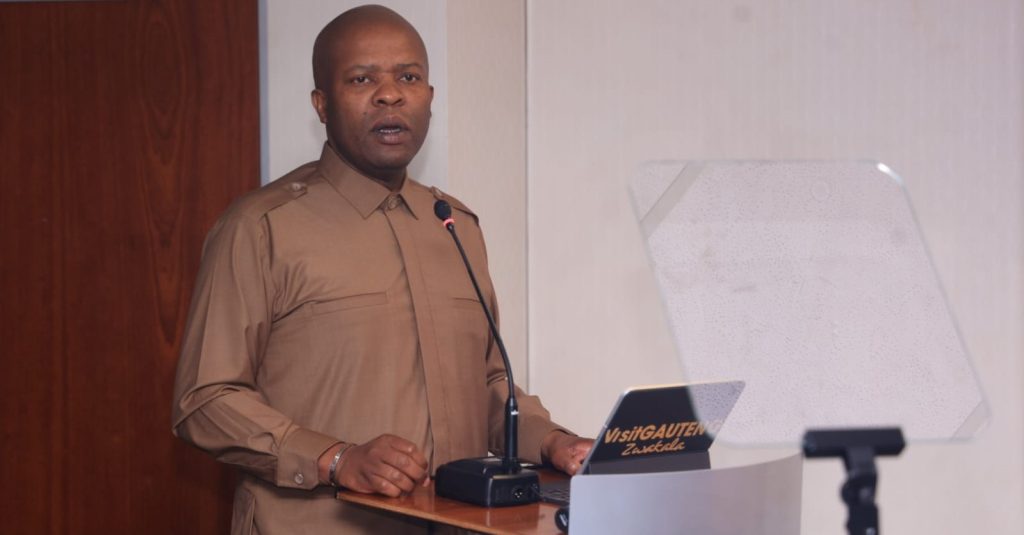
South Africa’s shift to green mobility is no longer a distant idea, it is now a commercial necessity, and the economic heartland of the country must take the lead in embracing New Energy Vehicles as a core economic sector for the country – and the rest of Africa, writes Lebogang Maile, Gauteng MEC for Finance and Economic Development. Gauteng is stepping up to lead South Africa and Africa into the new-energy vehicle (NEV) era. The province, already the country’s economic and industrial centre, is positioning itself as the continent’s NEV hub. The province hosted its inaugural NEV Summit on 22–23 October 2025, during the country’s Transport Month, under the auspices of the Gauteng Growth and Development Agency, along with the Automotive Industry Development Centre (AIDC) and the Tshwane Automotive Special Economic Zone (TASEZ). South Africa’s shift to green mobility is no longer a distant idea, it is now a commercial necessity. Gauteng is determined to lead South Africa’s transition to electric and low-carbon mobility. The South African automotive industry is facing a tough operating environment, heightened by the imposition of a unilateral 30% reciprocal trade tariff by the government of the United States, which has consistently been South Africa’s second-largest trading partner and key export destination for South African-manufactured vehicles. The sector is particularly vulnerable to the 25% sectoral tariff imposed under Section 232 of the United States Trade Expansion Act of 1962, which specifically targets automotive exports. In addition, global markets, particularly the European Union, are tightening carbon regulations. For South Africa to keep exporting vehicles and stay competitive, it must move fast to build an industry that produces low- and zero-emission cars. Laying the foundation The transition is backed by strong policy frameworks. The South African Automotive Master Plan 2035 (SAAM 2035) sets clear goals for increasing local content, boosting exports, and creating inclusive growth. The government’s White Paper on electric vehicles, approved at the end of 2023, provides a roadmap for building the NEV ecosystem from production and charging infrastructure to skills development and consumer incentives. Although the paper references electric vehicles, South Africa must take into account other green initiatives, such as hydrogen and battery. The policy direction is clear – our job is to make sure Gauteng becomes the first mover. The NEV transition is about jobs, skills, and industrialisation, not just greener cars. We are ready to lead Africa in this journey. Why Gauteng? South Africa’s economic hub has all the right ingredients: skilled workers, advanced manufacturing infrastructure, financial and logistics networks, and a strong automotive heritage. Ford, based in the City of Tshwane, has been in South Africa for over a century. Gauteng’s existing automotive value chain makes it the natural home for Africa’s NEV future. The province already hosts major original equipment manufacturers like BMW, Ford, and Nissan, and supplier networks that can pivot to battery, electronics, and component manufacturing. We already have the backbone, from vehicle assemblers to tiered suppliers. What we are doing now is aligning that value chain with new technologies, from battery assembly to software integration. The transition is not just about attracting investment; it’s about future-proofing Gauteng’s manufacturing economy. Turning policy into factories Gauteng is now focused on turning national policy into tangible projects. The Automotive Investment Scheme (AIS) and EV production incentives announced by the Department of Trade, Industry and Competition (the dtic), including a 150% investment allowance for qualifying projects, are key tools to make that happen. We are working closely with the dtic and industry stakeholders to streamline approvals and remove red tape. Investors do not want promises; they want certainty. Gauteng is offering that – a clear pathway from policy to plant. But we are also well aware of the challenges we face, from electricity reliability and logistics to the high costs of new technologies. One of the key projects we have put in place to overcome these is the creation of a dedicated automotive hub in the City of Tshwane, with stable power, fast-tracked permitting, and shared testing and recycling facilities to lower entry barriers for manufacturers. Building demand and inclusion A vibrant NEV industry also needs a domestic market, and Gauteng is exploring ways to stimulate demand through public fleet electrification, taxi modernisation programmes, and municipal procurement. Demand creation will be critical to attracting more investors. OEMs and suppliers want to see that South Africa is serious about NEVs – that there is a real market for these vehicles. If we in government lead by example through fleet conversion, others will follow. Gauteng has the opportunity to set that example for the rest of the continent. Beyond manufacturing, Gauteng’s NEV strategy emphasises skills development and inclusion. The transition is being designed to create opportunities for black-owned medium, small, and micro enterprises, youth, and women entrepreneurs in new parts of the value chain, from charging infrastructure to digital mobility services. A turning point for the economy The upcoming NEV Summit is expected to produce a clear action plan: identifying priority sites, announcing anchor investors, setting timelines for disbursing incentives, and mapping out power and logistics upgrades. This summit was not just about speeches; it was about signatures. We want commitments, timelines, and projects that will create jobs and secure Gauteng’s place at the centre of Africa’s new energy future. If Gauteng can convert its strategic intent into action, the province will not only revitalise South Africa’s automotive manufacturing base but also anchor the continent’s NEV revolution. The race to lead Africa’s green mobility future has begun, and Gauteng plans to be first across the line.