Tasez

new energy vehicles

President doubles down on industrialisation, manufacturing and green growth in SONA 2026

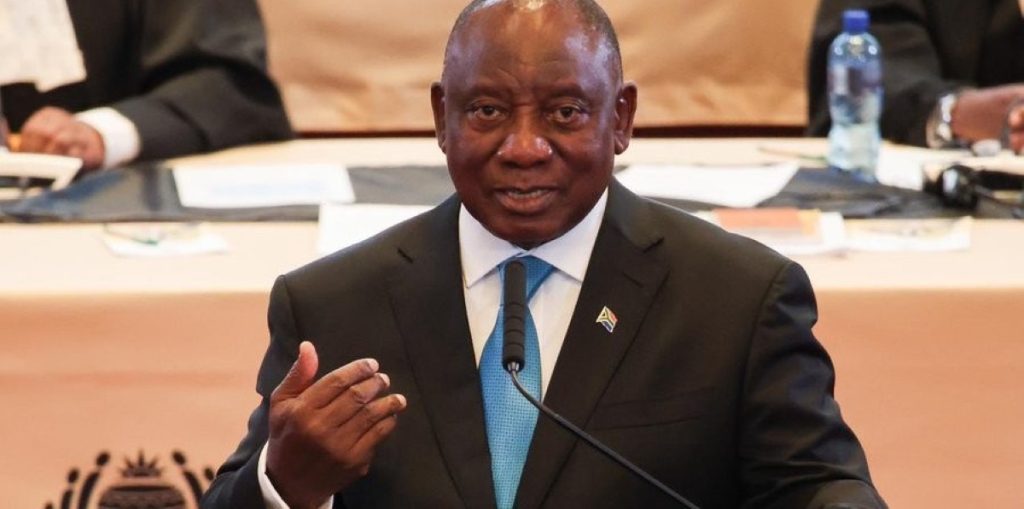
By Mandla Mpangase President Cyril Ramaphosa used his 2026 State of the Nation Address (SONA) to place industrialisation, manufacturing and green growth at the centre of South Africa’s economic recovery agenda, outlining a sweeping strategy that positions the automotive sector – and hubs such as the Tshwane Automotive Special Economic Zone (TASEZ) – as catalysts for investment, jobs and technological transition. Speaking to a joint sitting of Parliament in Cape Town on 12 February 2026, President Ramaphosa said South Africa was entering a decisive phase in which it must pivot from exporting raw materials to producing high-value manufactured goods for global markets. “The biggest opportunity of all lies in green growth. We are pivoting our economy to be a leading supplier of the products which the world will rely on in decades to come,” he said. Manufacturing and green industrialisation The president confirmed expanded support for manufacturing, particularly export-oriented green industries such as fertiliser, jet fuel, chemicals and steel. For the automotive sector, the most significant announcement was the introduction of a 150% tax deduction for investment in new energy vehicles (NEVs) from March 2026, alongside government support for local battery production. This policy could accelerate investment in South Africa’s electric and hybrid vehicle value chain, with special economic zones such as TASEZ well-positioned to anchor new assembly lines, component manufacturing and battery-related industries. President Ramaphosa also highlighted R250-billion in international pledges to the Just Energy Transition Investment Plan, which will finance manufacturing, infrastructure and skills development – pillars for industrial hubs such as TASEZ that aim to integrate clean energy, logistics and advanced manufacturing. Critical minerals, beneficiation and the automotive value chain The president also underscored South Africa’s mineral endowment, with ore reserves valued at more than R40-trillion, and reiterated the government’s commitment to local beneficiation of critical minerals. This beneficiation push is expected to underpin domestic production of battery materials, catalytic converters, lightweight metals and other automotive components, strengthening localisation in zones like TASEZ. The Industrial Development Corporation’s R300-million investment in the Frontier Rare Earths Project was highlighted as a step towards building supply chains for lithium batteries and electronics – technologies increasingly integral to next-generation vehicles. Investment pipeline and industrial infrastructure President Ramaphosa said South Africa had secured R1.5-trillion in investment commitments through its first five investment conferences, with R600-billion already flowing into projects, including new factories and mines. Government is targeting R2-trillion in new investments over the next five years, with the next investment conference scheduled for 31 March 2026. Public infrastructure investment of more than R1-trillion over three years will underpin industrial growth, with energy, water, transport and digital infrastructure prioritised. Improved logistics, ports and rail corridors were flagged as critical to exporting manufactured goods from industrial zones such as TASEZ to global markets. Jobs, SMEs and inclusive industrialisation Job creation was framed as the ultimate goal of industrialisation. The president said if every small and medium enterprise (SME) employed one additional person, three million jobs could be created. Government will provide R2.5-billion in funding to 180 000 SMEs, extend R1-billion in guarantees, and prioritise women- and youth-led businesses. This is expected to support supplier development and localisation programmes linked to manufacturers operating in TASEZ and other SEZs. Public employment programmes will be expanded and better coordinated to provide skills development pathways into long-term industrial employment, particularly for young people and women. Skills development for a future automotive workforce Ramaphosa stressed that industrialisation depends on human capital, noting that a strong economy relies on a well-educated, capable and skilled population. The Youth Employment Service and South Africa Youth platform will be strengthened, while regulatory changes will make it easier for businesses to offer work experience opportunities. This could bolster talent pipelines for advanced manufacturing, engineering, robotics and electric mobility technologies in zones such as TASEZ. Protecting and transforming the automotive sector The president reaffirmed the government’s commitment to safeguarding and modernising the automotive industry, which employs hundreds of thousands of South Africans in high-quality jobs. Government is working with industry and labour to close tariff loopholes, protect domestic manufacturing and prepare the sector for the global shift to electric vehicles. TASEZ is well-positioned to play a central role in this transition by clustering OEMs, component manufacturers, logistics providers and research institutions. A strategic window for TASEZ and South Africa President Ramaphosa acknowledged persistent challenges, including unemployment and service delivery failures, but said energy reforms, rising investor confidence and infrastructure investment had created a critical opportunity for economic transformation. “We have a unique window of opportunity to translate these gains into sustained growth,” he said. For South Africa’s automotive sector and industrial platforms such as TASEZ, the 2026 SONA signals a renewed policy push towards localisation, electric mobility and high-value manufacturing, positioning the country to compete in global automotive value chains while driving jobs and inclusive growth at home.

Gauteng takes the wheel: Driving Africa’s NEV future

South Africa’s shift to green mobility is no longer a distant idea, it is now a commercial necessity, and the economic heartland of the country must take the lead in embracing New Energy Vehicles as a core economic sector for the country – and the rest of Africa, writes Lebogang Maile, Gauteng MEC for Finance and Economic Development. Gauteng is stepping up to lead South Africa and Africa into the new-energy vehicle (NEV) era. The province, already the country’s economic and industrial centre, is positioning itself as the continent’s NEV hub. The province hosted its inaugural NEV Summit on 22–23 October 2025, during the country’s Transport Month, under the auspices of the Gauteng Growth and Development Agency, along with the Automotive Industry Development Centre (AIDC) and the Tshwane Automotive Special Economic Zone (TASEZ). South Africa’s shift to green mobility is no longer a distant idea, it is now a commercial necessity. Gauteng is determined to lead South Africa’s transition to electric and low-carbon mobility. The South African automotive industry is facing a tough operating environment, heightened by the imposition of a unilateral 30% reciprocal trade tariff by the government of the United States, which has consistently been South Africa’s second-largest trading partner and key export destination for South African-manufactured vehicles. The sector is particularly vulnerable to the 25% sectoral tariff imposed under Section 232 of the United States Trade Expansion Act of 1962, which specifically targets automotive exports. In addition, global markets, particularly the European Union, are tightening carbon regulations. For South Africa to keep exporting vehicles and stay competitive, it must move fast to build an industry that produces low- and zero-emission cars. Laying the foundation The transition is backed by strong policy frameworks. The South African Automotive Master Plan 2035 (SAAM 2035) sets clear goals for increasing local content, boosting exports, and creating inclusive growth. The government’s White Paper on electric vehicles, approved at the end of 2023, provides a roadmap for building the NEV ecosystem from production and charging infrastructure to skills development and consumer incentives. Although the paper references electric vehicles, South Africa must take into account other green initiatives, such as hydrogen and battery. The policy direction is clear – our job is to make sure Gauteng becomes the first mover. The NEV transition is about jobs, skills, and industrialisation, not just greener cars. We are ready to lead Africa in this journey. Why Gauteng? South Africa’s economic hub has all the right ingredients: skilled workers, advanced manufacturing infrastructure, financial and logistics networks, and a strong automotive heritage. Ford, based in the City of Tshwane, has been in South Africa for over a century. Gauteng’s existing automotive value chain makes it the natural home for Africa’s NEV future. The province already hosts major original equipment manufacturers like BMW, Ford, and Nissan, and supplier networks that can pivot to battery, electronics, and component manufacturing. We already have the backbone, from vehicle assemblers to tiered suppliers. What we are doing now is aligning that value chain with new technologies, from battery assembly to software integration. The transition is not just about attracting investment; it’s about future-proofing Gauteng’s manufacturing economy. Turning policy into factories Gauteng is now focused on turning national policy into tangible projects. The Automotive Investment Scheme (AIS) and EV production incentives announced by the Department of Trade, Industry and Competition (the dtic), including a 150% investment allowance for qualifying projects, are key tools to make that happen. We are working closely with the dtic and industry stakeholders to streamline approvals and remove red tape. Investors do not want promises; they want certainty. Gauteng is offering that – a clear pathway from policy to plant. But we are also well aware of the challenges we face, from electricity reliability and logistics to the high costs of new technologies. One of the key projects we have put in place to overcome these is the creation of a dedicated automotive hub in the City of Tshwane, with stable power, fast-tracked permitting, and shared testing and recycling facilities to lower entry barriers for manufacturers. Building demand and inclusion A vibrant NEV industry also needs a domestic market, and Gauteng is exploring ways to stimulate demand through public fleet electrification, taxi modernisation programmes, and municipal procurement. Demand creation will be critical to attracting more investors. OEMs and suppliers want to see that South Africa is serious about NEVs – that there is a real market for these vehicles. If we in government lead by example through fleet conversion, others will follow. Gauteng has the opportunity to set that example for the rest of the continent. Beyond manufacturing, Gauteng’s NEV strategy emphasises skills development and inclusion. The transition is being designed to create opportunities for black-owned medium, small, and micro enterprises, youth, and women entrepreneurs in new parts of the value chain, from charging infrastructure to digital mobility services. A turning point for the economy The upcoming NEV Summit is expected to produce a clear action plan: identifying priority sites, announcing anchor investors, setting timelines for disbursing incentives, and mapping out power and logistics upgrades. This summit was not just about speeches; it was about signatures. We want commitments, timelines, and projects that will create jobs and secure Gauteng’s place at the centre of Africa’s new energy future. If Gauteng can convert its strategic intent into action, the province will not only revitalise South Africa’s automotive manufacturing base but also anchor the continent’s NEV revolution. The race to lead Africa’s green mobility future has begun, and Gauteng plans to be first across the line.

From policy to action: Now is the time for South Africa to embrace new energy vehicles

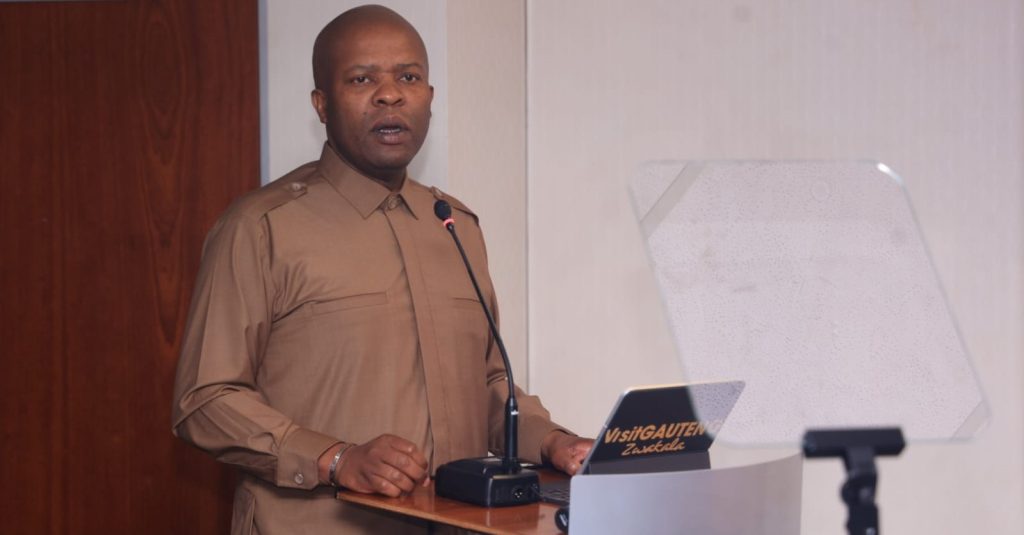
South Africa must move from policy to action as a matter of urgency, aligning incentives, infrastructure, skills, and industrial coordination around new energy vehicles, writes the CEO of Tshwane Automotive Special Economic Zone, Dr Bheka Zulu. South Africa’s automotive industry stands at a turning point. The global race toward low- and zero-emission mobility is accelerating, and for a country whose automotive exports hinge on access to the European market, embracing new energy vehicles (NEVs) is no longer optional, it has become an industrial necessity. The Electric Vehicle (EV) White Paper and the South African Automotive Master Plan 2035 (SAAM) together lay a strong policy and strategic foundation. The challenge now is moving from intent to implementation. The country has a clear opportunity to build an inclusive, competitive, and sustainable automotive industry powered by innovation, ready for a net-zero world. Transformation is a must The global automotive landscape is undergoing a profound transformation, driven by the urgency to reduce carbon emissions and achieve net-zero goals. The European Union’s carbon neutrality policies are among the most influential in this shift, setting strict timelines for phasing out internal combustion engine (ICE) vehicles and promoting zero- and low emission alternatives. The EU aims to be climate-neutral by 2050. The objective is to ensure an economy with net-zero greenhouse emissions. For South Africa, this presents both a challenge and an opportunity. The EU remains South Africa’s largest export market for vehicles, accounting for the bulk of automotive exports. A significant 68,7% of light vehicle production was exported in 2024, with three out of every four cars headed to Europe. This means that the EU’s green regulations will directly determine South Africa’s ability to continue trading competitively in this critical sector. Vehicles built in Gauteng and other parts of the country will increasingly need to meet low- or zero-emission standards to remain eligible for export. Transitioning now is not optional, it is essential. Early investment in NEV production, local battery manufacturing, and supporting infrastructure such as charging networks will safeguard South Africa’s market access, maintain its global competitiveness, and create a foundation for long-term industrial sustainability. Policy meets opportunity The EV White Paper charts a managed transition from internal combustion engines to cleaner technologies, ensuring decarbonisation does not lead to deindustrialisation. It sets out steps to localise EV production, develop charging infrastructure, and build skills for the future. The White Paper allows for a managed transition, setting out a number of processes: It has identified 10 actions required to build an EV production ecosystem, including the beneficiation of critical minerals, battery reuse and refurbishment, regulatory alignment, and incentives for localisation. Complementing it, the South African Automotive Master Plan (SAAM 2035) envisions South Africa increasing local content in vehicle manufacturing, expanding exports, and doubling employment by 2035. SAAM 2035 sets out six focus areas: optimising the local market, developing the regional market, localisation, infrastructure development, industry transformation, and technology a skills development. Targets include: Together, the EV White Paper and SAAM 2035 frame a just, inclusive transition that can preserve and grow the country’s industrial base. Driving implementation Turning these policies into tangible outcomes depends on strong institutions. In Gauteng, the Gauteng Growth and Development Agency (GGDA), its subsidiary the Automotive Industry Development Centre (AIDC), and the Tshwane Automotive Special Economic Zone (TASEZ) are taking the lead. TASEZ, Africa’s first automotive city, is positioning itself as a hub for future-focused investment, where manufacturers and suppliers can plug into purpose-built infrastructure, training, and incentives. The AIDC, through its learning centres and supplier parks, is aligning skills and enterprise development with EV technologies. Together, these institutions are turning national ambition into provincial action. South Africa must act quickly to overcome power constraints, develop a local battery value chain, and align incentives to attract NEV and component investment. Global markets are already shifting and delays could cost South Africa export access, investor confidence, and thousands of jobs. A call to lead Africa’s NEV revolution The upcoming 2025 NEV Summit, hosted by GGDA, AIDC, and TASEZ on 22-23 October 2025 at the Gallagher Convention Centre, represents the next phase: uniting government, industry, and investors to accelerate implementation. From policy to action, South Africa’s NEV future depends on decisive execution.

Gauteng gears up for green revolution as New Energy Vehicle Summit kicks off

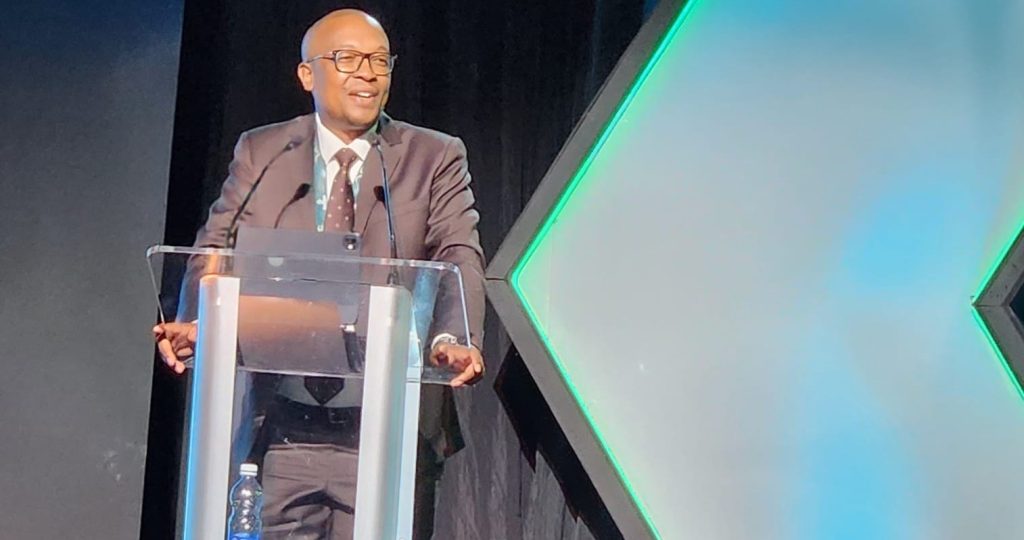
By Mandla Mpangase The inaugural New Energy Vehicle Summit is taking place this week in Gauteng, drawing attention to the importance and urgency of moving to green mobility within South Africa’s automotive industry. The landmark event, hosted by the Gauteng Growth and Development Agency (GGDA), the Automotive Industry Development Centre (AIDC), and the Tshwane Automotive Special Economic Zone (TASEZ), will assess the progress of the transition to new energy vehicles (NEVs), investigate possible partnerships, and plan practical strategies to accelerate the creation of a competitive local NEV ecosystem. Speaking ahead of the summit on Channel Africa’s Africa Update with Lulu Gaboo, the CEO of TASEZ, Dr Bheka Zulu, said the gathering marks more than just summit. “It’s a statement that Gauteng, as the heart of South Africa’s automotive sector, is ready to lead Africa’s technological shift,” said Dr Zulu. “With more than 60% of the country’s vehicles produced in this province, we are asserting South Africa’s leadership in the continent’s new energy vehicle transition.” Zulu said South Africa is no longer a “passenger” in the global race toward electric mobility. Since the release of the EV White Paper in 2023, the focus has been on positioning the country for global competitiveness through research, innovation, and partnerships. “We’re gearing up for the race on the global EV track,” he noted. “Our goal is to attract international investors, harmonise trade standards across African markets, and promote regional value chains that make South Africa the hub for sub-assemblies and NEV components.” Dr Zulu emphasised that the NEV Summit, taking place at the Gallagher Convention Centre on 22-23 October, will focus on building consensus between industry, labour, and government to develop a balanced roadmap for transformation, one that prioritises both ambition and pragmatism. Policy alignment Asked about policy readiness, Dr Zulu said South Africa already has the right frameworks in place, but faster implementation and targeted incentives are needed. “The road is paved; now we need the green light to move faster,” he said. “We must streamline tax incentives and develop charging infrastructure that supports local manufacturing and adoption.” The NEV shift represents a major opportunity for deepening local supply chains, creating high-value jobs, and transforming South Africa into the main exporter of NEV components across the continent. The South African Automotive Masterplan 2035 (SAAM 2035) is a key enabler of the transition, with its goals to increase local content from 40% to 60% and to double employment in the sector. It is supported by the Electric Vehicles White Paper, that was published at the end of 2023. “This is not just about swapping the engine for a battery,” he said. “It’s about creating new high-value jobs and ensuring that no one is left behind, including workers, black industrialists, and small suppliers.” At the heart of the TASEZ strategy is inclusivity, with initiatives to upskill the existing workforce, mentor small component manufacturers, and facilitate partnerships between local suppliers and global OEMs. Collaboration is vital Dr Zulu stressed that while Original Equipment Manufacturers (OEMs) like Ford play a critical role, the NEV opportunity is open to new entrants and innovators. “The NEV space is for everyone,” he said. “We want to see new black industrialists and emerging OEMs entering the field. This is the transformation we’ve been driving.” Although reliable energy and charging infrastructure remain a challenge, partnerships are being developed to roll out a national charging network and invest in renewable solutions. “We are identifying key sites and collaborating with private partners to ensure charging infrastructure keeps pace with NEV adoption,” he said. With the European Union’s zero-emission and carbon border adjustment policies set to take effect by 2035, dr Zulu said South Africa must align its timelines and environmental standards with international expectations. “We’re adapting our manufacturing processes to reduce coal-based energy use and increase solar, gas, and hydrogen integration,” he said. “Our ambition is to match the EU’s climate neutrality goals and maintain export competitiveness.” Looking ahead to 2035, Dr Zulu concluded: “We want NEVs to form a significant part of local production, deepen component manufacturing, and make South Africa the hub of NEV exports to Africa and beyond,” he said. “Most importantly, we want this transition to create jobs, skills, and shared prosperity.”

South Africa’s auto industry holds advantage in Africa, Says Minister Tau

By Mandla Mpangase South Africa’s automotive industry continues to anchor the country’s manufacturing capacity and offers a “unique competitive advantage” on the African continent, despite facing significant global and domestic headwinds. This was the message from Minister of Trade, Industry and Competition, Parks Tau, addressing delegates at South Africa Auto Week 2025, hosted by naamsa (The Automotive Business Council) in Gqeberha from 1–3 October. Tau said that while the sector has weathered one of its most challenging periods over the past nine months, it remains one of the cornerstones of South Africa’s economy. “In 2024, the industry contributed 5.2% to GDP and accounted for 22.6% of total manufacturing output. It provides nearly 500 000 formal jobs across assembly, components, retail and services, while supporting around one million livelihoods,” he told delegates. New markets and partnerships Tau highlighted fresh opportunities emerging on the continent and beyond. Following recent engagements in Saudi Arabia and Nigeria, he said South African component manufacturers could partner with counterparts in those countries to expand their footprint. “We’re prepared to allow African investors to partner with our local companies and create manufacturing capacity in those markets. It is an opportunity we must take advantage of,” Tau explained. At the same time, global OEMs operating in South Africa have committed to transitioning from semi-knockdown to complete knockdown production, deepening local manufacturing capacity. “Our duty is to work with these companies to ensure they become part of the local production base, taking advantage of South Africa’s skills and positioning the country as a platform for access to African markets,” Tau added. Transition to new energy vehicles The minister stressed that the industry is at a critical “inflection point” as global markets accelerate their shift away from fossil fuel vehicles towards new energy vehicles (NEVs). With major export destinations such as the European Union and the United Kingdom moving to ban new petrol and diesel vehicles from 2035, South Africa must adapt or risk losing market share. Already, the shift is underway: in 2024, South Africa recorded 15 600 new energy vehicle sales, representing 3% of the local market. The sector also attracted R12-billion in new investment for NEV-related manufacturing. Government has introduced measures to support this transition, including a 50% tax deduction for qualified NEV investments, partnerships with universities and research institutions, and strategies to localise production of critical inputs such as battery materials. “This is not just an industrial project,” Tau said. “It is about positioning South Africa at the heart of the global mobility revolution, not as a taker of technology, but as a maker. If we succeed, we will safeguard exports, create jobs, and place Africa at the forefront of clean mobility solutions.” Africa as an engine of growth Africa has emerged as a key market, with the continent becoming South Africa’s second-largest export destination in 2024. Vehicle exports into Africa grew by 12.4% year-on-year to R48.1-billion. The African Continental Free Trade Area (AfCFTA) is expected to further unlock opportunities, from reducing logistics costs to enabling vehicle assembly across the continent. Beyond vehicles, Tau noted, it could also drive mineral beneficiation, particularly for critical minerals such as cobalt, graphite, and lithium essential for the NEV transition. “Together, Africa can build a battery industry that reduces dependence on imports and positions the continent as a hub for clean mobility,” he said, adding that South Africa is leading the development of an African automotive hub that could align policies and attract investment. In closing, Tau emphasised that South Africa’s auto sector, with its industrial depth and mineral wealth, is uniquely positioned to lead Africa’s role in the global energy transition. “The automotive sector has been at the heart of our industrial story for more than a century. Today, it stands at a defining moment. “Its transition to new energy vehicles will define our relevance in a low-carbon world, while its integration into Africa’s free trade area positions us as leaders on the continent,” he said. “If we seize this opportunity, we will not only secure South Africa’s competitiveness but also place Africa at the forefront of the global mobility revolution.”

Gauteng assesses its readiness for a transformed automotive sector

Gauteng has ambitious plans to turn the province into the automotive hub of Africa. So serious is the intention that the leading role players in the South African automotive sector gathered in Johannesburg to share insights into what is needed to make that happen. This comes amidst a rapidly evolving global automotive sector, the looming carbon-neutral targets for vehicle imports into the European Union by 2035, and the current turmoil surrounding increased tariffs being imposed on goods entering the United States. Addressing the participants at the Automotive Sector Policy Dialogue, Gauteng’s MEC for finance and economic development, Lebogang Maile, emphasised the significance of the sector to the country’s economy. In 2024, the automotive industry contributed 5.2% towards the GDP of the country, with 110 000 direct jobs – 33 154 in the original equipment manufacturers and 81 860 people employed by component manufacturers. Gauteng is home to three original equipment manufacturers, Nissan, Ford, and BMW – all based in the City of Tshwane, along with the Tshwane Automotive Special Economic Zone and the Automotive Industry Development Centre. Together, the three OEMs produced 1.8 million vehicles between 2014 and 2023, accounting for 32.8% of South Africa’s vehicle production. “According to the National Association of Automobile Manufacturers of South Africa (Naamsa), Gauteng’s automotive sector is expected to gain momentum, especially with the establishment of the Tshwane Automotive City (TAC), which will serve as an integrated logistics framework focusing on inland ports and manufacturing hubs linked to rail corridors linking Tshwane with strategic ports in South Africa and SADC (the Southern African Development Community),” MEC Maile noted. A different-looking automotive sector Speaking on the shift from internal combustion engines towards new energy vehicles (NEVs), Maile spoke of the urgency required by the automotive sector to adjust its production value chains and technologies to transition towards NEVs to retain and grow its existing market share. He also identified the challenges the automotive sector faces, including: What this all means, Maile told the participants, is that a different approach was needed to support and develop the sector. “There is a need for an inclusive approach towards transforming the sector.” While the province had made progress in terms of establishing the AIDC supplier park and the development of TASEZ, much more needed to be done to make the sector competitive, MEC Maile said. The dialogue was held to assess the province’s readiness for the NEV transition; to identify the infrastructure investment requirements for the transition; gather information into the support requirements for Tier 1, Tier 2, and Tier 3 component manufacturers; highlight skills requirements, funding collaborations and partnerships to support the transition; and understand the implication of US tariffs and potential new markets for South African OEMs. In line with the discussion on NEVs, the province will host the inaugural NEV Summit in October, where industry players will share further knowledge on the sector. For further information on the NEV Summit visit the AIDC website.  visit www.aidc.co.za.

TASEZ explores electric mobility and investment partnerships in China

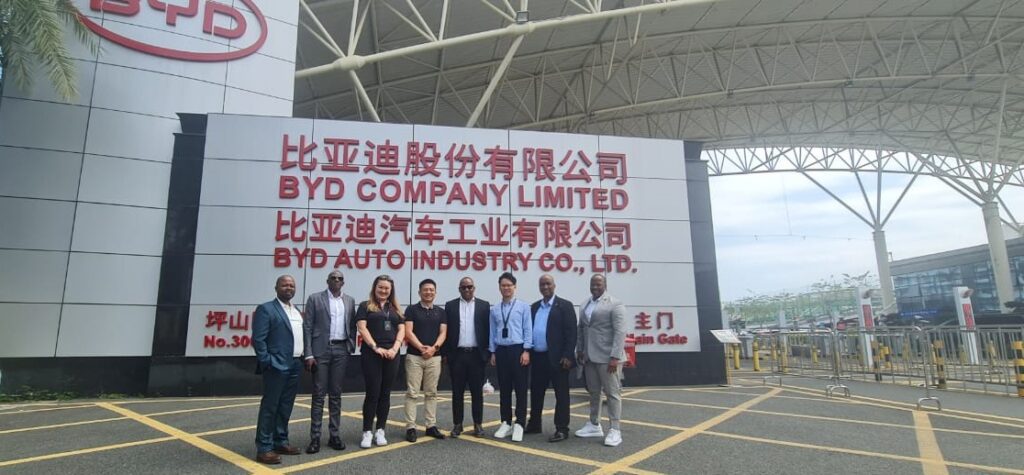
TASEZ CEO Dr Bheka Zulu and Business Development Executive Msokoli Ntombana reflect on their vital fact-finding visit to China, writes Mandla Mpangase. In a bid to deepen South Africa’s foothold in the global electric mobility revolution, a delegation from the Tshwane Automotive Special Economic Zone (TASEZ) embarked on a groundbreaking business and mobility study tour of China from 21 – 30 April 2025. The delegation, led by TASEZ Chief Executive Officer Dr Bheka Zulu and Business Development Executive Msokoli Ntombana, visited leading Chinese cities and innovation hubs to explore strategic investment, electric vehicle (EV) manufacturing opportunities, and clean energy technologies. Organised by the South Africa-China Transport and Technology Think Tank (SACTT), in partnership with Zhejiang Normal University and Valternative, the China mobility study tour took TASEZ to the heart of global electric vehicle production: from Shanghai’s smart cities to Shenzhen’s autonomous mobility ecosystems. “This mission was more than just a learning experience,” stated Dr Zulu. “It was a strategic positioning exercise. “As South Africa navigates the future of automotive manufacturing, China offers a blueprint for rapid, sustainable, and scalable industrialisation in electric mobility. We needed to be at the forefront of that conversation.” The tour provided unprecedented access to China’s booming electric mobility ecosystem. TASEZ’s engagements included visits to: The tour also featured a vital diplomatic engagement with the South African consulate general in Shanghai, which pledged facilitation of future investment efforts and participation in the upcoming China International Import Expo, scheduled for November 2025. “We are no longer in the age where TASEZ only chases internal combustion vehicle assembly,” explained Ntombana. “TASEZ is evolving into a future-focused industrial platform – one that is open to new energy technologies, battery innovation, and smart logistics. “This tour helped us connect the dots between Chinese capabilities and South African potential.” Accelerating South Africa’s new energy transition China’s meteoric rise as a global EV leader has disrupted traditional supply chains and redefined auto manufacturing. With brands like BYD, NIO, and SAIC exporting in growing volumes, the global centre of gravity in the automotive industry is clearly shifting east. South Africa, and particularly Gauteng – which accounts for over 40% of the country’s automotive output – must adapt quickly to remain competitive. The visit was aimed at positioning TASEZ as a gateway for Chinese investors looking to establish operations in Africa, with a focus on electric vehicle production, green energy components, and value-chain localisation. “One of the biggest takeaways was witnessing how Chinese companies localise technology and scale it rapidly,” said Dr Zulu. “We saw factories that were established within a year and are now producing thousands of electric units daily. South Africa has the human capital, we have the land, and we have strategic trade links. What we need now is the technology and investment, and China is a willing partner.” From Shanghai to Shenzhen – a panoramic view of China’s EV future The journey started in Shanghai, where the delegation engaged with the Consul General and visited the Lingang Special Area, a free trade zone renowned for housing Tesla’s Gigafactory and other advanced manufacturing operations. Here, TASEZ drew inspiration on how spatial planning and industrial policy can be aligned for EV growth. From Qingdao, where MESNAC and Sailun operate, to Xiamen and Shenzhen, home to battery innovators and autonomous vehicle manufacturers, each city offered insights into supply chain agility, automation, and EV infrastructure. “What struck us most was how integrated China’s innovation ecosystem is,” Ntombana said. “Their universities, government policy, manufacturers, and even property developers work in sync to build mobility cities. This is exactly the model South Africa needs to replicate, especially around the TASEZ hub in Tshwane.” The TASEZ team has committed to a series of post-tour engagements, including exploring partnerships with key players in the automotive sector. “We cannot let momentum fade,” added Dr Zulu. “Each conversation we had must be turned into a formal business case, each handshake into a partnership proposal. The goal is simple – make TASEZ the African home for clean automotive innovation.” This is no longer just about TASEZ. “It’s about how South Africa positions itself in the race for the green economy. The Chinese have moved – fast. Now it’s our turn to catch up.”

TASEZ focuses on developing small enterprises for future growth

By Mandla Mpangase The 2025 Tshwane SMME Symposium explored the best ways to prepare small businesses for the industries of the future. It is important to prepare now so that small, medium and micro enterprises (SMMEs) will be in a position to lead both the country and the continent in the green economy, in technology, and in automotive manufacturing. The symposium, held on 6 May 2025 at the Innovation Hub, was hosted by the Tshwane Economic Development Agency along with the South African Electrotechnical Export Council and the Innovation Hub. The Tshwane Automotive Special Economic Zone (TASEZ) featured in a panel discussion on the road map for South African SMMEs to participate in future economies, with a particular focus on the automotive sector, digital technology and the energy sector. TASEZ CEO Dr Bheka Zulu spoke of the importance of understanding the impact SMMEs made in their sector, rather than simply looking at the numbers. “We need to know how we change lives, what are the SMMEs taking home?” He noted that TASEZ had ring-fenced R1.7-billion for SMMEs during the special economic zone’s Phase 1 development. Dr Zulu also addressed the issue of the skills gap within the automotive sector. TASEZ is now working closely with a number of partners to make sure the gap is closed. Technology can be a vital way to help the informal sector to grow. Another aspect was that SMMEs needed to be supported with research and development, Dr Zulu noted. He referred to a Chinese company, BYD, that has only been going for a decade. “They started as a battery manufacturer, but they evolved as the economic environment changed and now build cars. Last year they manufactured five million vehicles.” South Africa’s SMMEs must be strong enough to follow the same trajectory. It is vital to make sure that all role players understand the needs of the SMMEs and that SMMEs understand the requirements of industry. “Partnerships are important so that everyone understands the needs, requirements, constraints and challenges.” Partnering with established companies and organisations also makes access to markets much easier for SMMEs, who then have a champion lobbying on their behalf with the larger role players, Dr Zulu said. A key focus for TASEZ as it rolls out its Phase 2 development, is its support for black industrialists. The SMME symposium involved local SMMEs, representatives from a number of government agencies, potential funders, and industry partners, who all joined forces come up with concrete strategies to integrate township small businesses into mainstream supply chains and future-focused sectors. The Executive Mayor of the City of Tshwane, Dr Nasiphi Moya, summed up the importance of SMMEs to the job creation and innovation: “These enterprises are the lifeblood of our economy, the backbone of local employment, and the heartbeat of township revitalisation.” The symposium focused on how all the economic sector players can support, strengthen, and boost local SMMEs.

Collaboration is needed to gear up to new auto future

If South Africa is to transform the automotive sector as spelt out in the South African Automotive Master Plan 2035, the industry must take decisive action on a wide range of issues, including decarbonisation, writes TASEZ CEO Dr Bheka Zulu. As the country’s special economic zone (SEZ) focused primarily on the automotive industry, the Tshwane Automotive Special Economic Zone (TASEZ) is ready to play a key role in moving the transformation efforts forward. While South Africa has set itself the task of zero net emissions by 2050, many of the country’s automotive export markets have set stringent targets over the next decade and the original equipment manufacturers (OEMs) are gearing up for the change. No doubt, this will be one of the main talking points at this year’s South African Auto Week, taking place in Cape Town from 15 – 18 October 2024. The theme for this year’s event is Reimagining the Future Together: Celebrating 100-Years of automotive heritage, passion, resilience and ingenuity. Among the topics up for discussion are “Decarbonising the auto sector”, “A path to net zero”, and “SA NEV (new energy vehicle) transition: Policy choices and support instruments”. It is against these current discussions that input from research by Deloitte, Automotive Pathways to Decarbonisation, becomes both prophetic and doable. The report, that “by 2050, automakers are expected to reduce CO₂ emissions by 90%”. It goes on to note that “to reach these aggressive targets, however, the entire value chain will need to be decarbonised”. The Deloitte report states: “Despite ongoing advances in the fuel efficiency of vehicles with internal combustion engines, the automotive sector’s pathway to decarbonisation requires accelerated adoption of electric vehicles (EV). Beyond the regulatory push to reduce tailpipe emissions, this shift is also being driven by consumer demand. In response, automakers around the globe have been ramping up EV production and sales.” However, the sector is faced with the high costs of expanding EVs into the market place, inconsistent regulatory frameworks globally, insufficient access to green inputs such as batteries and steel, a lack of competitive green business models and strong sustainable strategies, the report adds. But all is not lost. “By quickly ramping up EV production, increasing usage of renewable energy, and establishing material circularity, automakers can enhance the industry’s ability to meet the Paris Agreement’s science-based emissions reduction targets.” Deloitte suggests OEMS and component producers adopt circular business models and transition clean energy in both production plants and usage by prioritising sustainability when extracting and processing basic materials, producing vehicles and their parts, and decommissioning vehicles at their end-of-life. “To achieve this target state, the sector will need to eliminate traditional sector boundaries, involve suppliers and customers in the solution, and foster strong cross-sectoral collaboration.” This is where TASEZ is well-equipped to play a significant transformative role as an SEZ. Its strength is in building strong strategic partnerships, supporting current and potential automotive manufacturing tenants in creating green facilities that incorporate the latest technologies, and helping to train a workforce familiar with future trends within the industry. TASEZ’s facilities already embrace green energy solutions, using battery and solar elements. In addition, the SEZ’s close ties with local industry associations, training institutions and industry role players ensure that investors are provided with access to the latest technologies. Because TASEZ is based in the City of Tshwane, it is surrounded by academic, innovative and technological institutions, which are more than capable of supporting tenants in terms of research and development. It is only through partnerships and collaborative action across the entire value chain that a strong decarbonised sector will be built – and there is not too much time left to do so.

The TASEZ breakaway discussion team at the Tshwane Energy Summit 2024: the CEO of the AIDC Andile Africa, TASEZ's CEO Dr Bheka Zulu, the NAAMSA's chief policy officer Tshetle Litheko, and the co-founder of the Mobility Centre for Africa Vincent Radebe

TASEZ hosts vital and vibrant discussion on new energy vehicles

New energy vehicles loom large in the discussions on the evolving automotive manufacturing landscape – but the time for the internal combustion engine is not yet over. Two experts from the industry discussed the important topics of whether the legacy original equipment manufacturers are being left behind by disruptive innovators like Tesla and BYD, and the new energy vehicle landscape in a South African context during a breakaway session at this year’s Tshwane Energy Summit on Thursday, 20 June 2024, held in Menlyn Maine, Pretoria. The breakaway session was hosted by the Tshwane Automotive Special Economic Zone, Africa’s first automotive city and an important player in the country’s automotive manufacturing sector. Introducing the session, TASEZ CEO Dr Bheka Zulu provided the insight into the new energy vehicle (NEV) landscape globally and locally. “We all know that the NEV space has been growing. In the last year, if you compare figures from the first quarter of last year, it grew by 8.7% – units that have grown from 1 665 to 2 220. And in the second quarter, that number grew to 3 042. These are the some of the figures that show the demand and the need for the sector to grow.” He noted a number of important milestones in the drive towards cleaner energy: the publication in 2023 of a White Paper on NEVs aimed at unlocking the potential of South Africa’s NEV market; the fact that 2024 marks a centenary of manufacturing in South Africa – and Ford is celebrating its 100 years in South Africa. Opportunities available in NEV space The NEV space is one that can open opportunities in unexpected ways, Dr Zulu noted, such as the “last mile” programmes that have rolled out across South Africa delivering goods to the consumers’ doors via scooters or motorbikes. This is particularly important in growing the township economy. Although a critical element, NEVs are not confined to passenger vehicles but will also impact public transport and freight and logistics, Dr Zulu said. South Africa exports the majority of its vehicles, so it needs to comply with the clean energy regulations set by it external markets. For example, Europe has set stringent regulations that have to be met by the automotive manufacturers: it will require 55% lower carbon-dioxide emissions from 2030, with a target of zero from 2035. Mobility Centre for Africa co-founder Victor Radebe delivered a thought-provoking talk asking are the legacy OEMs sleeping at the wheel in the face of disruptive innovation by front-runners such as Tesla and BYD. Using the work of academic and business consultant Clayton Christensen, Radebe dived into the concepts surrounding “disruptive innovation” noting that “it’s like a tidal wave that strips over established industries creating new markets, whilst leaving old ones in its wake.” Disruptive innovation starts humbly, often ignored or dismissed by established companies. But then it marches on, transforming the landscape and toppling giants, Radebe said. “Christensen’s The Innovators Dilemma explains why many established firms, despite their resources and expertise, find themselves in this predicament hesitating at the edge of innovation,” Radebe said, adding: “This is where legacy OEMs find themselves.” Rise of the NEVs The automotive manufacturing industry is currently experiencing a seismic shift driven by the electrifying rise of NEVs. “Legacy OEMs are finding themselves in the slow lane compared to speed stars like to Tesla and BYD.” This technological race is not just about who gets to the finish line first, but who can navigate the twists and turns of innovation without losing control, Radebe noted. One of the innovations of NEVs is that the manufacturers build most of their parts, whereas the biggest OEMs rely on a supply chain of multiple suppliers from across the globe. Radebe looked at the potential drivers for change: Another important element is that of the minerals required to make the batteries required by the NEVs. “If you look at the upstream supply chain, China controls the extraction of the of the raw materials. They control the processing of the raw materials.” The beneficiation of minerals is a hot topic in South Africa that will have to form part of a more in-depth negotiation. “The future outlook of the automotive industry will be shaped by those who dare to navigate the choppy waters of innovation in geopolitical, geopolitical uncertainties,” Radebe said. “Legacy OEMs need to embrace a bold strategy to protect their turf, whilst diving headfirst into the new technology and business models, partnerships, heavy investments in innovation, and a willingness to disrupt their own operations.” NAAMSA’s chief policy officer, Tshetle Litheko, brought the topic closer to home, discussing the NEV landscape and outlook in South Africa. NAAMSA represents the South Africa automotive manufacturing industry and the seven original OEMS in the country. NEVs, the next natural step Litheko noted that because of environmental pressures, the innovation and migrating towards NEVs is unavoidable – “it’s the next natural step”. South Africa currently produces 0.5% of the global production of cars. Through its South African Automotive Master Plan, it aims to produce 1% of the world’s cars by 2035. However, Litheko noted, the export markets that South Africa has are now looking to cleaner energy vehicles such as hybrids and EVs. So, the current production of vehicles with internal combustion engines will not be fit for purpose and South Africa will need to adjust its products accordingly. “That said, one of the biggest markets that we need to factor in is the 1.4 billion market in Africa – and that market is not about to migrate or evolve into these NEVs.” In the African market the production of cars is around two million, with South Africa producing a third of that. He then referenced India, with a similar population density to that of Africa, and pointed out that India currently produces almost eight million vehicles annually. “India is the biggest and fastest growing exporter of cars into South Africa (and by extension into Africa).” Taking a leaf out of India’s book, South Africa