Tasez

Phase 2

TASEZ begins Phase 2 expansion to bolster automotive capacity  

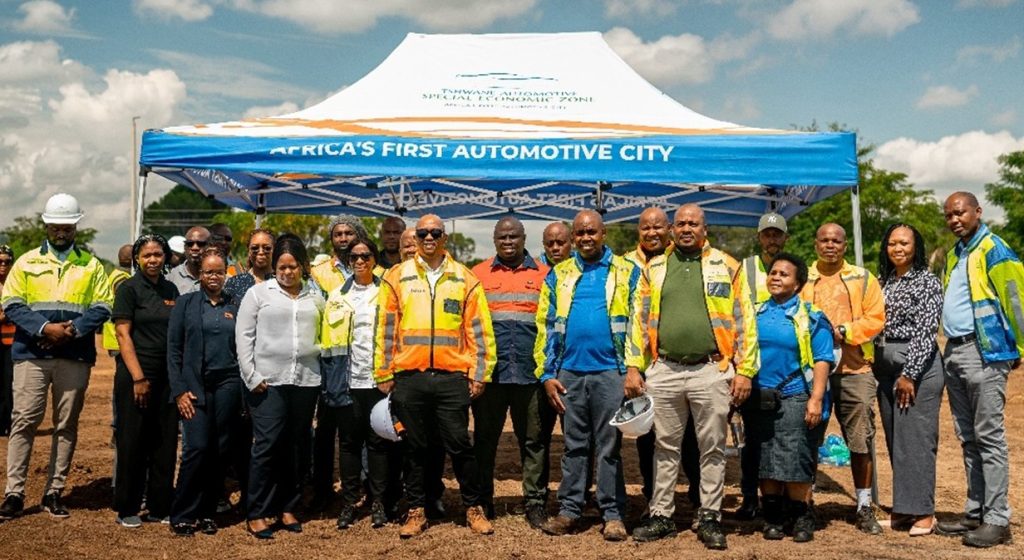
TASEZ has broken ground on Phase 2 of its expansion, with bulk infrastructure works and a 15ML reservoir underway, as the SEZ scales up capacity, attracts new investment, and advances localisation in South Africa’s automotive value chain, writes Mandla Mpangase. The Tshwane Automotive Special Economic Zone (TASEZ) has commenced Phase 2 of its expansion, building on the successful delivery of Phases 1 and 1A as its footprint to strengthen South Africa’s automotive manufacturing capacity. Phase 2 includes enabling bulk infrastructure works and the development of top structures. A key milestone is the construction of a 15‑megalitre reservoir, which began in July 2025 and is being undertaken by MES Major Projects, a black‑owned local contractor. At 13m high, the reservoir is expected to secure a water supply for future industrial activity and support the Tshwane area. External bulk works are underway, while internal bulk construction started on 17 March 2026, marking site establishment and preparation for incoming investors. Top structures will follow, further expanding the special economic zone’s industrial base. “Phase 2 is about integration, readiness, and growth,” said TASEZ infrastructure executive, Andile Sangweni. “The start of internal bulk works signals investor confidence, enabling us to accelerate delivery, unlock investment, and create jobs.” Phase 2 is expected to deepen localisation in the automotive value chain and advance South Africa’s broader industrialisation agenda.

TASEZ calls on youth to ‘wake up’ to jobs and training opportunities

By Mandla Mpangase The Tshwane Automotive Special Economic Zone (TASEZ) has issued a strong call to young people in Mamelodi, Eersterust and surrounding communities: opportunities exist, but initiative is essential. Speaking on Poort FM on 3 March 2026, TASEZ Stakeholder Engagement Manager Khutso Semetjane urged residents, particularly the youth, to actively pursue training and employment prospects linked to the automotive hub anchored by Ford Motor Company. 9 440 direct jobs, thousands more indirect Semetjane detailed the measurable economic impact of the special economic zone (SEZ) since its establishment. On the construction side alone, TASEZ has created over 6 000 jobs. Within the zone, more than 3 400 permanent jobs have been created by operational investor companies. “When you calculate indirect employment,” he explained, “for every job inside the SEZ, roughly three more are created outside.” That includes supply chain businesses such as paint manufacturers, logistics operators and component suppliers servicing vehicle production, including the Ford Ranger and Everest lines assembled in Tshwane. In total, the broader ecosystem linked to the SEZ supports more than 10 000 direct jobs and an estimated 40 000 indirect jobs. However, Semetjane acknowledged current pressures in the automotive sector, including job losses linked to global market adjustments. He confirmed that TASEZ has temporarily suspended its general labour database due to reduced hiring activity, but will reopen it as Phase 2 construction begins and new investors come on stream. 70% of construction jobs reserved for locals A key highlight of the interview was TASEZ’s commitment to local economic inclusion. For Phase 2 construction, 70% of jobs will be allocated to residents from surrounding communities, including Mamelodi, Eersterust, and Nellmapius. The remaining 30% will be sourced externally. Similar targets apply to permanent jobs, except where highly specialised skills are unavailable locally. “We are intentional about inclusion,” Semetjane said. “But we also have to protect the investment. Investors must have confidence in the environment.” Training that leads to work, not just certificates TASEZ has prioritised practical, industry-aligned training to ensure meaningful employment outcomes. Among the interventions are: Semetjane stressed that some programmes require minimum qualifications, often Grade 10, while others are open to participants without formal schooling. Importantly, he said, training is designed with an “exit plan” to connect graduates to real opportunities. In one recent example, a TLB (tractor, loader, backhoe) trainee secured employment within a month of completing training. The SEZ also works closely with TVET (technical and vocational education and training) colleges, including Tshwane North TVET College, from which 16 of the 23 current interns and graduates placed at TASEZ originate. A formal memorandum of understanding is being finalised. In addition, the TASEZ Training Academy bridges the gap between classroom learning and industry readiness, addressing investor concerns that some graduates lack practical competence. Youth readiness a growing concern While emphasising opportunity, Semetjane raised concerns about youth preparedness. He cited instances where job applicants: “There is a serious need for non-financial intervention,” he said. “We must engage youth about professionalism, research, digital literacy and self-development.” He encouraged matriculants to prioritise mathematics and science if they wish to enter the automotive or engineering sectors, noting that these subjects significantly improve competitiveness. Community access points TASEZ has appointed nine community liaison officers (CLOs), one for each ward in its catchment area, to serve as the first point of contact for employment and training enquiries. Semetjane urged community members to: CSI and community projects On corporate social investment, Semetjane said TASEZ facilitates partnerships between investors and local non-governmental organisations. However, he cautioned that due diligence is essential after instances of misrepresentation by some organisations. Community groups are encouraged to submit proposals well in advance, as investor approvals can take months. Let success be visible In closing, Semetjane made a heartfelt appeal to beneficiaries of SEZ opportunities. “When people succeed, they disappear,” he said. “We need those success stories to come back and inspire others. It builds confidence that this project is real.” As Phase 2 expansion begins, TASEZ leadership is positioning the zone not merely as an industrial hub but as a catalyst for inclusive economic transformation. “More investment means more jobs,” Semetjane concluded. “But we must act responsibly and seize the opportunity when it comes.”

2025 – A transformative year for TASEZ

As 2025 draws to a close, it offers an important moment to reflect on the achievements, challenges, and defining developments that have shaped the Tshwane Automotive Special Economic Zone (TASEZ), writes TASEZ executive for infrastructure, Andile Sangweni. This has been a year of momentum, consolidation, and forward vision, and one that has reaffirmed our position as one of South Africa’s leading special economic zones (SEZs) while pushing the boundaries of what world-class infrastructure delivery can look like. This has indeed been a transformative year for TASEZ. We have not only upheld our position as one of the country’s most advanced and impactful SEZs, but we have also redefined excellence in infrastructure delivery. Despite various national and global challenges, Phase 1 milestones were successfully achieved, demonstrating the strength of our operational planning and the resilience of our development model. With Phase 2 now underway, our focus is shifting decisively toward breaking ground and embracing the next wave of industrial growth. This phase is not simply an expansion; it is a catalytic step in deepening South Africa’s manufacturing capabilities and strengthening the country’s role in the global automotive value chain. Heading into Phase 2 A central achievement of 2025 has been laying the groundwork for the next phase of TASEZ’s evolution. The defining highlight of the year has been our work on ensuring the seamless integration of new infrastructure with Phase 1 facilities. This preparation is more than a technical requirement; it is a strategic pointer to our ongoing growth trajectory. It is about investor confidence, job creation, and community impact. The readiness to commence Phase 2 represents a collective vote of confidence from our stakeholders. It also confirms that infrastructure remains the backbone of sustainable economic transformation. Ready to tackle any test The year has not been without its challenges. South Africa continues to grapple with issues that directly influence industrial performance: Our response to these pressures has been deliberate and solution-driven. We are advancing energy resilience through renewable integration, ensuring that future phases of the zone offer greater stability and sustainability. We are driving a skills revolution through strengthened partnerships with educational and training institutions through the TASEZ Training Academy, preparing young people for the advanced manufacturing jobs of the future. And we are sharpening our global edge by streamlining processes and enhancing investor support mechanisms. Amid these dynamics, TASEZ’s role in advancing South Africa’s industrial development has become even more pronounced. TASEZ is a catalyst for the country’s industrialisation ambitions. By hosting world-class manufacturers, the zone embeds advanced technologies, creates sustainable employment opportunities, and supports the development of resilient supply chains. Our work also contributes to economic diversification, reducing import dependency and positioning South Africa as a globally competitive producer. In every sense, TASEZ is shaping industries, futures, and communities—delivering impact far beyond our physical footprint. As we look ahead, 2026 must be a year defined by acceleration and bold action. Our priorities are clear: These commitments will ensure that TASEZ continues to set the benchmark for industrial excellence, innovation, and inclusiveness.

Milestones, meetings, momentum and meaningful growth: 2025, the year that was

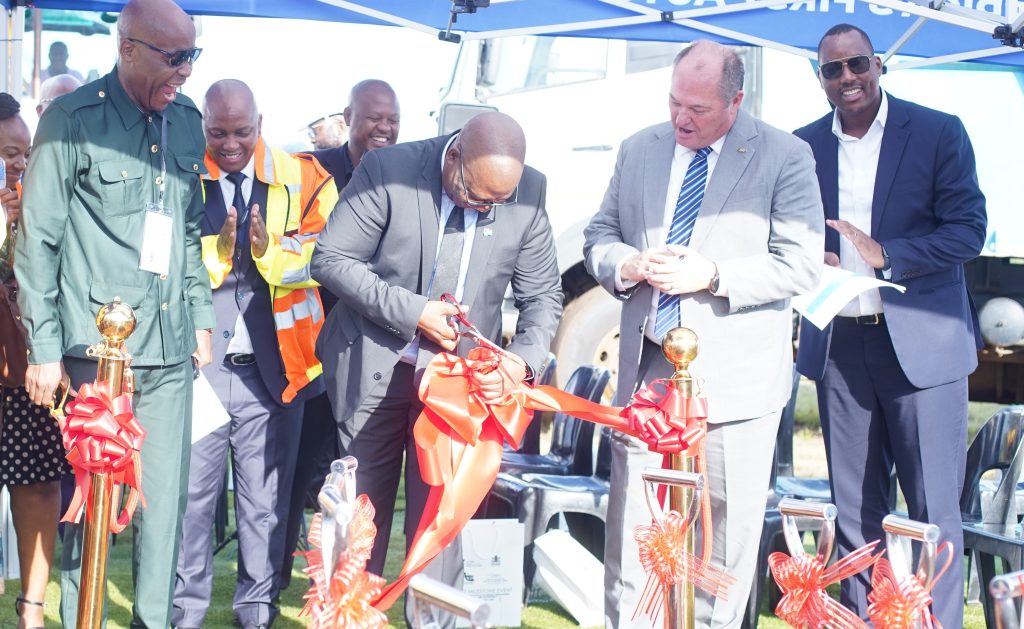
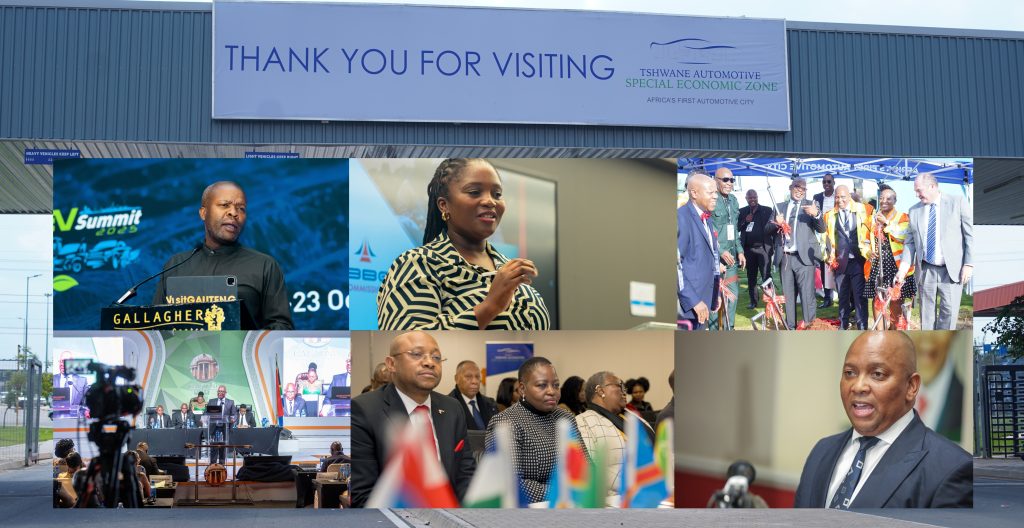
As 2025 draws to a close, the Tshwane Automotive Special Economic Zone looks back on a year that truly defined Africa’s first automotive city. It was a year of bold steps forward, strengthened partnerships, international visibility and a deepening role in South Africa’s industrialisation agenda, writes TASEZ CEO Dr Bheka Zulu. From breaking ground on new infrastructure to hosting high-level national events, TASEZ continued to prove why it is the country’s leading special economic zone (SEZ). Breaking new ground: Phase 2 takes off One of the standout highlights of the year was the sod-turning ceremony for Phase 2 of the TASEZ development, involving the Gauteng Premier, Panyaza Lesufi, TASEZ board members and anchor tenant Ford. The event signalled the start of an ambitious expansion designed to support South Africa’s next wave of automotive and component manufacturing investment. Phase 2 introduces new industrial platforms, expanded capacity for suppliers, and opportunities for medium, small, and micro enterprise (MSME) participation. It positions TASEZ to meet growing global demand, particularly in new energy vehicles (NEVs), and strengthens its integration into Tshwane’s industrial and logistics corridors. This moment marked a powerful step into the future and demonstrated the commitment from government, industry and local partners to drive sustainable, job-rich economic growth. An historic first: Hosting the State of the Province Address In February, TASEZ made history by becoming the first government institution to host a State of the Province Address (SOPA). This landmark moment brought South Africa’s leadership, the diplomatic community, the automotive sector and media into the heart of the SEZ. Hosting the SOPA showed that TASEZ is not only a centre of production, but a national platform for dialogue, policy direction and public accountability. The event showcased the SEZ’s impressive infrastructure, operational readiness and central role in the province’s economic plans. For many South Africans watching or attending, TASEZ became synonymous with Gauteng’s vision of a modern, industrial, investment-ready economy. Expanding global reach: TASEZ heads to China and hosts SADC International engagement was a defining feature of 2025. This was reinforced by a successful business mission to China, where TASEZ leadership met with major automotive manufacturers, potential investors and technology partners. The visit focused on: With China leading global NEV production and innovation, this mission placed TASEZ firmly on the radar of companies looking for a strategic African manufacturing base. In addition, in yet another first for a South African SEZ, TASEZ welcomed the heads of mission from the Southern African Development Community (SADC) to share information and talk about unlocking opportunities for economic growth in the region. The TASEZ team, headed by CEO Dr Bheka Zulu, rolled out the red carpet for the distinguished SADC delegation – ambassadors, high commissioners, and chargés d’affaires – along with representatives from the Department of International Relations and Cooperation and the Department of Trade, Industry and Competition, Brand South Africa, and Trade and Investment KwaZulu-Natal. This gathering was not just a simple meeting – it was a deliberate step toward weaving stronger ties between neighbours, aligning with the goals of SADC, the Southern Africa Customs Union, and the African Continental Free Trade Area. Strengthening policy alignment: Visits from TIPS and Parliament Two significant engagements this year reinforced TASEZ’s role as a strategic player in South Africa’s industrial development landscape: a visit by the parliamentary portfolio committee for trade, industry and competition, followed by a visit from TIPS (Trade and Industrial Policy Strategies). The parliamentary visit highlighted TASEZ’s importance in national oversight and industrial planning. Members engaged with management, toured facilities and assessed the SEZ’s socio-economic impact. The research institution visited the SEZ to assess its contribution to localisation, job creation and competitiveness. Their findings helped strengthen policy alignment and opened discussions on future collaboration. Both visits affirmed that TASEZ is not just delivering – it is taking the lead. Governance excellence: Five clean audits in a row In a year filled with milestones, one achievement stands out for its consistency and integrity: TASEZ received its fifth consecutive clean audit. This accomplishment highlights: At a time when transparent and ethical public administration is more important than ever, TASEZ continues to demonstrate what professional, compliant, high-performing institutions can achieve. A strong industry presence: Naacam and naamsa conferences TASEZ strengthened its industry footprint this year by participating in two major automotive forums: the Naacam Show held in Gqeberha in August 2025 – engaging component manufacturers and showcasing localisation opportunities; and naamsa’s Auto Week that also took place in Gqeberha, but in October 2025 – networking with OEMs and industry leaders while promoting TASEZ’s investment-ready platforms These conferences reinforced TASEZ’s growing reputation as a critical hub for automotive manufacturing, innovation and supplier development. Driving the future: Co-hosting the first NEV Summit TASEZ took centre stage in South Africa’s transition to electric mobility by co-hosting the inaugural New Energy Vehicles Summit held at the Gallagher Convention Centre in late October 2025. The summit brought together policymakers, OEMs, suppliers, researchers and energy experts to map out the country’s role in the global NEV shift. TASEZ’s involvement sent a strong message: the SEZ is ready to become South Africa’s home of NEV manufacturing. The summit provided a platform to discuss infrastructure needs, workforce readiness, supply-chain adjustment and opportunities for new investment. Looking ahead to 2026 If 2025 was a year of bold advances, 2026 promises to be a year of consolidation and delivery. With major construction underway, new investment discussions progressing, and a clear national mandate to support industrial growth, TASEZ is set to play an even bigger role in shaping the country’s economic future. TASEZ enters the new year with momentum, credibility and a clear vision to be Africa’s premier automotive manufacturing destination.