Tasez

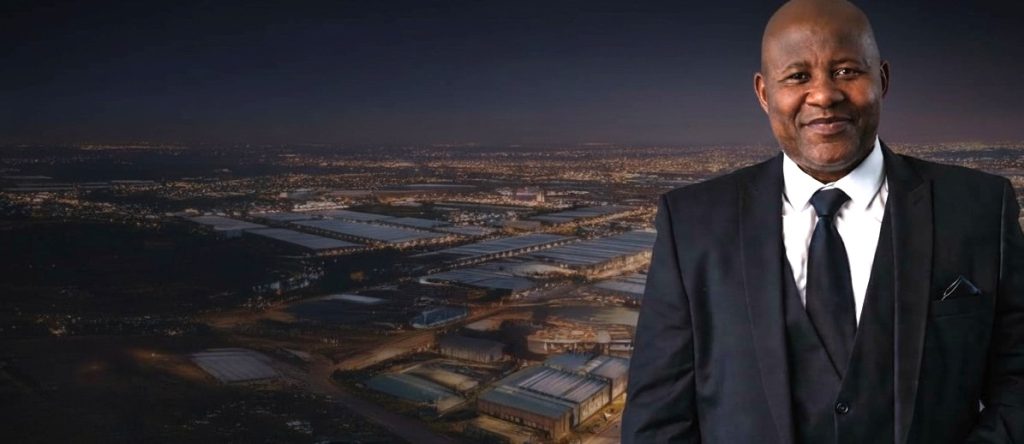
Sibusiso Khuzwayo

TASEZ enterprise development driving MSME growth and job creation

By Mandla Mpangase The Tshwane Automotive Special Economic Zone (TASEZ) is intensifying its focus on enterprise and supplier development as a key lever for inclusive industrialisation, with focused training programmes, support for medium, small and micro enterprises (MSMEs), and value-chain integration already translating into jobs and business growth. Speaking in a radio interview on Poort FM on 24 February 2026, Senior Manager Enterprise Development, Sibusiso Khuzwayo, said the TASEZ enterprise and supplier development programme is designed to create practical opportunities for MSMEs across the automotive ecosystem, from construction and maintenance to long-term automotive black industrialist participation in the automotive industry. “Our enterprise and supplier development is fundamentally about creating opportunities for MSMEs within the automotive sector,” Khuzwayo said. “As a Special Economic Zone, we create opportunities during construction, during the operational phase and after market, importantly, through our tenants, including OEMs and tier-one suppliers within the Zone and other industries in the automotive sector, so that small businesses can participate in the full value chain.” Construction to operations Khuzwayo highlighted that TASEZ’s Phases 1 and 1a have already delivered significant employment impact, particularly during infrastructure construction. “During Phase 1, more than 3 500 jobs were created in construction, and thousands more people benefited directly from employment opportunities within the zone,” he said. “We also issued over 260 work packages to more than 220 MSMEs, which is critical because it spreads economic benefit beyond the industrial site.” The next phase, he explained, is ensuring MSMEs continue to benefit during construction in Phase 2, particularly through maintenance contracts, technical services and supplier opportunities linked to automotive production. “That is where sustainable job creation really happens, when MSMEs are integrated into ongoing operations,” he said. Bridging the gaps A major challenge facing small businesses entering the automotive sector is the gap between what they can produce and what large manufacturers require in terms of quality, compliance and consistency. “You may have an MSME that can produce a product, but the question is whether they can meet the standards required by the end user,” Khuzwayo said. “Our role is to bridge that gap through training, partnerships and mentorship so that MSMEs can reach the level required by industry.” This includes collaboration with industry bodies, development agencies and automotive support organisations to prepare businesses for tier-one supplier opportunities — a long-term ambition that includes developing black-owned component manufacturers. Training MSMEs and youth for future industries Skills development is central to the strategy. TASEZ has established a dedicated training academy aimed at aligning education outcomes with industry demand, working with universities, Technical and Vocational Education and Training (TVET) colleges and Schools of Specialisation. “We want to ensure that when investors come to South Africa, they do not say there are no skills available,” Khuzwayo said. “Our responsibility is to help create that skills pipeline, from school level through to specialised automotive training.” The initiative also targets young people early to spark interest in engineering, robotics and emerging automotive technologies, including electric vehicles (EVs). Last-Mile project demonstrates growth potential. One of the most successful interventions has been the “last-mile delivery” project, which trained around 100 young people in electric mobility logistics. Twenty participants received starter packs to launch delivery businesses using electric scooters. “The results have been encouraging,” Khuzwayo said. “Some participants have significantly increased their turnover – in one case from about R100 000 to over R1-million – showing the real impact of targeted support.” Beyond logistics, the project has created opportunities in other EV solutions, such as charging infrastructure and maintenance services, linking MSMEs to the green economy transition. Addressing finance barriers Access to working capital remains a major obstacle for emerging suppliers, particularly when they secure contracts but cannot finance delivery timelines. Khuzwayo said TASEZ is working to establish partnerships with funders that can provide fast, affordable financing backed by confirmed contracts from the zone. “We want MSMEs to access funding within days, not months, and at reasonable rates,” he said. “Otherwise, opportunities meant to empower them can actually leave them worse off.” Women, youth and persons with disabilities The enterprise and supplier development programme also prioritises inclusion, with targeted initiatives for women-owned enterprises, youth entrepreneurs and businesses led by persons with disabilities. “We cannot leave anyone behind,” Khuzwayo said. “We are partnering with organisations that specialise in these sectors so that we can identify opportunities and support businesses more effectively.” Preparing for Phase 2 opportunities With TASEZ preparing for further expansion, Khuzwayo encouraged businesses to ensure compliance documentation, certifications and collaboration partnerships are in place. “Opportunities will not come to you; you must prepare and go out to find them,” he said. “Engage with us, watch our platforms and get ready for Phase 2.” He added that while the zone is still developing, stakeholder feedback is essential. “Reshaping the future of automotive excellence does not mean we will not make mistakes,” he said. “We are open to engagement. Tell us what is working and what is not – that is how we improve.” Industrialisation with local impact TASEZ, Africa’s first automotive city, aims to position South Africa as a continental leader in automotive manufacturing while ensuring local communities benefit through jobs, skills and enterprise development. “What we are building is not just an industrial zone,” Khuzwayo said. “It is a platform for businesses to grow, for people to work and for transformation to become real.”

2025 – a year of resilience and recalibration

It turns out that 2025 was a year that tested the Tshwane Automotive Special Economic Zone’s agility but also reaffirmed its strategic direction, writes acting executive of zone operations, Sibusiso Khuzwayo. As 2025 draws to a close, the Tshwane Automotive Special Economic Zone (TASEZ) continues to cement its position as one of South Africa’s leading special economic zones (SEZs) – an achievement built on resilience, collaboration, and a sharpened focus on sustainable industrialisation. Yet 2025 was anything but ordinary. The year placed TASEZ at the forefront of numerous conferences, industry engagements, and national conversations on automotive manufacturing, transformation, and economic development. These platforms allowed us to present TASEZ’s successes and the challenges we continue to navigate. They also reinforced the importance of capacitating TASEZ so that we not only meet our mandate but also deepen our impact on communities, stakeholders, and industry partners. Strong relationships Strengthening relationships with tenants was a key priority. Improved engagement has already laid the groundwork for future collaborations, particularly projects designed to uplift communities and micro, small, and medium enterprises (MSMEs). Industry-wide discussions on the future of the automotive sector, marked by technological shifts, supply chain pressures, and evolving investment landscapes, also prompted TASEZ to reassess its long-term strategy. We have had to rethink our tenant mix to ensure that TASEZ remains sustainable even as the automotive sector faces economic headwinds. Highlights of 2025 What stands out most during the year is a mix of organisational achievements and personal milestones. From an organisational perspective, TASEZ significantly expanded its collaboration footprint. Engagements with the National Skills Fund, universities, the CSIR (the Council for Scientific and Industrial Research), the AIDC (the Automotive Industry Development Centre), and the Gauteng Department of Economic Development strengthened the zone’s innovation ecosystem. These partnerships also supported TASEZ’s emerging e-mobility concept, positioning the SEZ as a future leader in new-energy technologies and skills development. As acting zone executive 2025 marked a number successful initiatives such as: These engagements helped us demonstrate what TASEZ does, why it matters, and how it can play an even bigger role in transforming the economy. More to do Despite the great strides already made, there is always more to do. First on the list is the need to further capacitate zone operations, ensuring the SEZ maintains its infrastructure, supports tenants effectively, and strengthens sustainability. Second is the need for improved collaboration across TASEZ’s internal departments. We cannot work in silos, but must support each other so that we deliver on our mandate in a way that benefits all stakeholders. Looking at TASEZ’s broader economic impact, it is clear that the organisation is making meaningful progress, particularly through Phase 2, which focuses strongly on supporting black industrialists. TASEZ has a tremendous opportunity to lead by bringing together funding institutions, OEMs, Tier 1 suppliers, aftermarket players, the National Empowerment Fund, and the Automotive Industry Transformation Fund. If we implement this effectively, it can serve as a model for other SEZs such as Dube TradePort, Richards Bay, and the AIDC. In addition, partnerships with the CSIR on research and innovation will further support TASEZ’s ambitions in industrialisation and advanced manufacturing. Looking forward From the perspective of zone operations, there are three key priorities for the coming year that will allow TASEZ to unlock more responsiveness, agility, and meaningful impact. Further capacitating departments to improve efficiency and service delivery; TASEZ is poised to play a transformative role in strengthening the South African economy by driving employment opportunities, empowering MSMEs, and equipping the workforce with future-ready skills. With its commitment to industrialisation, sustainability, and inclusive growth, Africa’s first automotive city continues to evolve as a catalyst for long-term national development – one that remains resilient even in the face of industry uncertainty.

TASEZ, tenants and local communities to build shared value through BBBEE collaboration

By Mandla Mpangase The Tshwane Automotive Special Economic Zone (TASEZ) is strengthening its partnerships with tenants and local communities to ensure that Broad-Based Black Economic Empowerment (BBBEE) becomes a shared journey of inclusion, opportunity, and practical transformation. This was the central idea emerging from a workshop held by the BBBEE Commission at TASEZ on 4 November 2025, where business representatives, community leaders, and small enterprises came together to explore how collaboration can unlock sustainable growth for all. Sibusiso Khuzwayo, acting executive for Zone Operations at TASEZ, in summarising the workshop, noted that there was broad agreement that BBBEE is not just about compliance, but about connection, linking big business with township suppliers, emerging manufacturers, and service providers in ways that build long-term capacity. “We are trying to create an enabling environment that creates opportunities for robust partnerships,” said Khuzwayo. “Our role at TASEZ is to bring together three interests: businesses that want to make a profit, communities that need opportunities, and local suppliers who are eager to grow. “The real challenge is making sure all three talk to each other, and that’s where TASEZ steps in.” The BBBEE Commission outlined the key elements of the codes and explained various technical details companies and emerging entrepreneurs needed to know in order to meet the BBBEE requirements. Time was spent on tackling real-life issues, providing answers to questions from the businesses and emerging entrepreneurs in the room. In his closing, Khuzwayo went through the issues raised during the morning. There were a number of concrete measurable steps suggested, including providing the tenants with a database of the SMMEs from the local communities; ongoing training; hosting regular meetings focusing on ways to support local businesses in transforming and growing their businesses; and creating network opportunities. Khuzwayo emphasised that enterprise and supplier development – a core element of BBBEE – sits at the heart of TASEZ’s economic inclusion strategy, and proposed establishing targeted development funds and mentorship initiatives that would directly support small, medium, and micro enterprises (SMMEs) in key sectors such as automotive components, logistics, and waste management. “We must sit down together, identify 10 high-potential SMMEs, and support them with training, mentorship, and market access. When we meet again in six months, we should be able to see tangible progress.” Khuzwayo noted that one of the recurring challenges is the lack of visibility between the tenants in the special economic zone (SEZ) and local suppliers. “If tenants are not aware of who’s on our local supplier database, we’re doing something wrong,” he said. “We want to ensure transparency so that when procurement opportunities arise, our tenants can source locally before looking elsewhere.” The workshop also explored opportunities in waste management, which Khuzwayo described as “a sector rich with potential for community enterprises”. With the automotive industry generating substantial waste by-products, TASEZ is exploring how to support cooperatives and small businesses that can turn this waste into income-generating opportunities, from recycling and materials recovery to green manufacturing. He also noted that the workshop had called for specialised technical partnerships with entities in the Department of Trade, Industry and Competition (the dtic) and other automotive sector bodies to enhance BBBEE scorecards in ways that are practical and impactful. “We want future engagements to be more focused, whether it’s on training, supply chain inclusion, or skills development,” Khuzwayo said. “If we’re told that South Africa will need 10 people skilled in robotics in the next five years, we want to ensure we’ve already started developing them locally. We can’t say ‘we can’t find them’, we must create them together.” The BBBEE workshop marked the start of a new cycle of collaboration between TASEZ, its tenants, and the communities surrounding the Silverton automotive hub. Rather than treating empowerment as a tick-box exercise, Khuzwayo said, the goal is to make it a shared ecosystem of value creation. “This cannot be a TASEZ issue alone,” he concluded. “Transformation and growth are only possible through collaboration. We need business, education, youth, and communities to come together so that the benefits of industrial development are truly shared by all.” The day’s discussions underscored that BBBEE needed to be more than just a policy. It needed to be a partnership model in action, designed to ensure that as the TASEZ grows, so too do the people and enterprises around it.