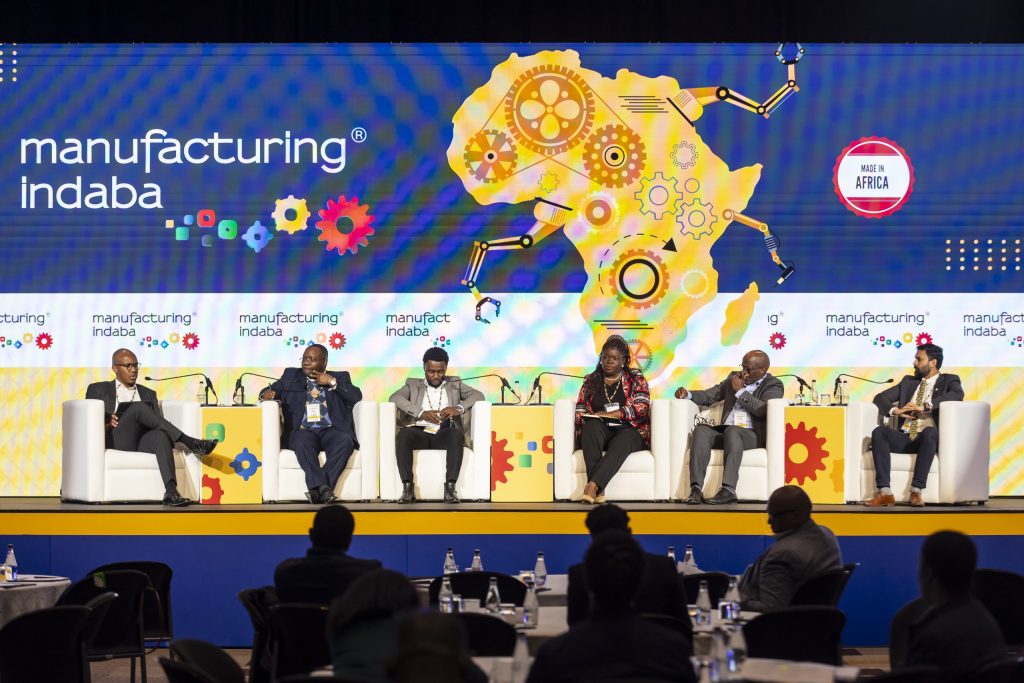
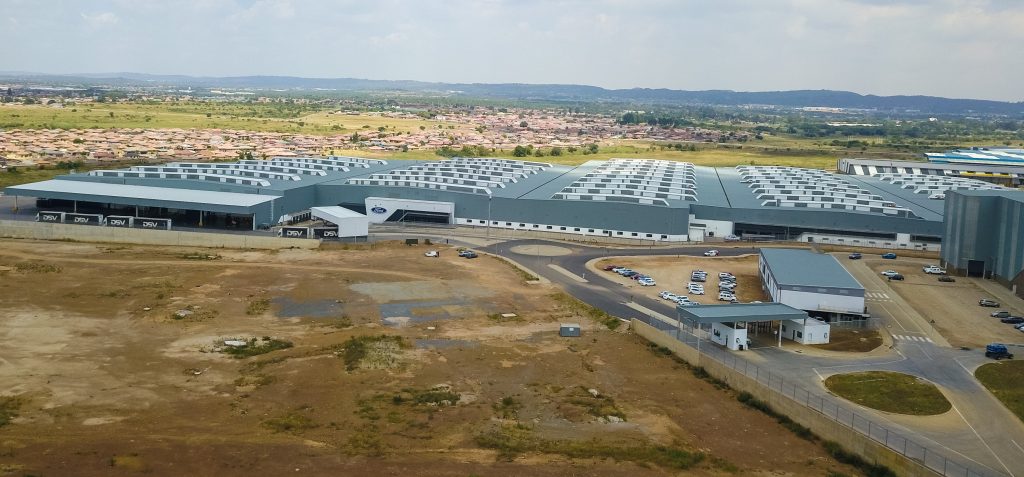
By Mandla Mpangase South Africa’s manufacturing sector took centre stage this week as government, business, labour, and academia gathered at the Sandton Convention Centre in Johannesburg for the 13th Manufacturing Indaba, held from 14 to 15 July 2026 under the theme “Made in Africa: Scaling Growth, Shaping Trade”. The annual conference brought together policymakers, investors, manufacturers, and industry experts to discuss how the continent can strengthen industrial capacity, expand value-added production, and compete more effectively in global markets. The discussions unfolded against a backdrop of sluggish manufacturing growth, infrastructure constraints, and increasing global competition. Yet the prevailing message from speakers was one of opportunity: Africa can no longer afford to remain primarily an exporter of raw materials but must instead become a producer of higher-value manufactured goods. Delivering the opening keynote, Deputy President Paul Mashatile challenged delegates to reimagine Africa’s industrial future. “Our future should not solely be determined by the extraction of our natural resources in their raw form, but by the manufacturing, refinement and exportation of finished products,” he said, adding that a thriving manufacturing sector is essential for job creation, inclusive growth, and long-term prosperity. Mashatile further argued that industrialisation is about more than factories. “Manufacturing is also about people. It is about restoring dignity through decent work, creating opportunities for young people, strengthening communities and giving business the confidence to invest, expand and innovate,” he said. Deputy Minister of Trade, Industry and Competition John Steenhuisen echoed those sentiments but warned that manufacturing competitiveness continues to be undermined by weak municipal infrastructure, unreliable water and electricity services, and inefficient logistics networks. He said strengthening localisation, improving ports, and developing regional transport corridors would be critical if South Africa is to grow exports and reduce dependence on imported manufactured goods. Why TASEZ has a central role to play in South Africa’s manufacturing future Those priorities align closely with one of South Africa’s most significant industrial developments: the Tshwane Automotive Special Economic Zone (TASEZ). While not a focus of the conference programme itself, TASEZ represents the type of integrated industrial ecosystem repeatedly highlighted by speakers as essential to Africa’s manufacturing future. Rather than simply providing factory space, the automotive-focused SEZ combines world-class infrastructure, supplier development, skills training, logistics and investment facilitation to strengthen local manufacturing value chains. Located adjacent to Ford South Africa’s Silverton Assembly Plant in Pretoria, TASEZ has become a strategic component of the country’s automotive manufacturing industry. It has attracted billions of rand in investment, enabled the localisation of automotive component production and created thousands of construction and permanent jobs while strengthening South Africa’s position as a vehicle export hub. The zone also supports key national industrial objectives by expanding local supplier participation, increasing local content and developing skills required for advanced manufacturing. These objectives mirror many of the themes discussed throughout the Manufacturing Indaba, including localisation, industrial competitiveness, technology adoption, and regional value chain development. Engineering News reported that speakers repeatedly stressed that sustainable industrialisation requires complete industrial ecosystems rather than isolated factories. Government support, stronger regional markets, strategic investment, technology adoption, and the African Continental Free Trade Area (AfCFTA) were all identified as essential building blocks for future manufacturing growth. The conference also placed significant emphasis on digital transformation. Delegates heard that Africa must invest in robotics, artificial intelligence, advanced engineering, coding, data science, and modern artisan development if it is to compete in an increasingly technology-driven manufacturing landscape. These emerging priorities present new opportunities for TASEZ, which has increasingly positioned itself not only as an automotive manufacturing hub but also as a platform for skills development, supplier growth, and industrial innovation that supports the South African Automotive Master Plan and the country’s broader reindustrialisation agenda. As South Africa works to rebuild manufacturing confidence, the Manufacturing Indaba reinforced a simple but significant message: industrialisation is no longer just about producing more but is about producing smarter, adding greater value locally and building resilient industrial ecosystems capable of competing globally. For TASEZ, that vision is already taking shape. The zone demonstrates how targeted infrastructure investment, localisation, supplier development and collaboration between government and industry can translate national industrial policy into tangible manufacturing capacity. As the country seeks to position itself as a gateway for African manufacturing under the AfCFTA, TASEZ stands as a practical example of how special economic zones can help turn the ambition of “Made in Africa” into an economic reality.