Tasez

transformation

Mashatile: Gauteng key to turning R1.5tn investment pledges into jobs and industrial growth

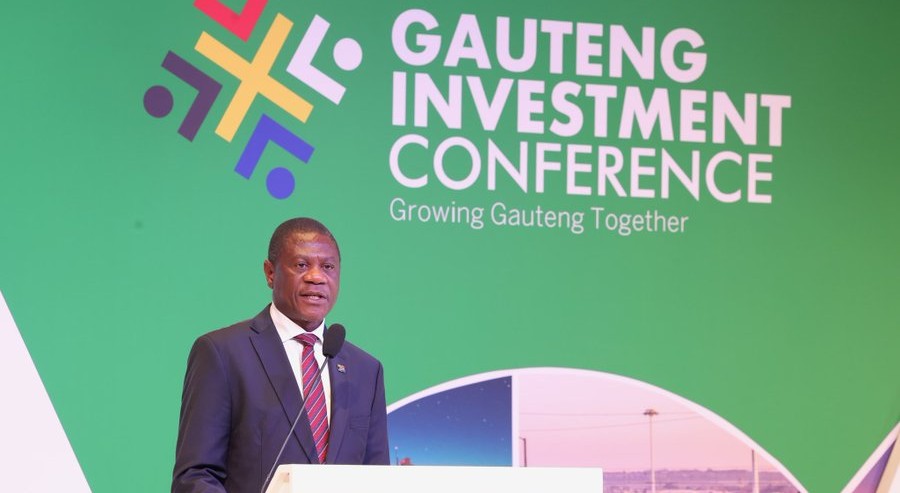
By Mandla Mpangase South African Deputy President Paul Mashatile has positioned Gauteng as the critical engine for converting South Africa’s record investment pledges into tangible economic outcomes, urging faster implementation, stronger partnerships, and a renewed focus on industrialisation. Addressing the 2026 Gauteng Investment Conference on Thursday, 9 April 2026, Mashatile said the province would play a central role in delivering on the commitments secured at the recent South African Investment Conference 2026, where approximately R890-billion in pledges were announced in a single day. The latest commitments push total investment pledges since 2018 to well over R1.5-trillion, prompting the government to set a new national target of R3-trillion in the years ahead. From pledges to implementation Mashatile stressed that the credibility of South Africa’s investment drive would depend not on headline figures, but on execution. “The true value lies in delivery – translating commitments into factories, infrastructure, energy capacity, and above all, jobs,” he said. In this context, Gauteng, South Africa’s largest contributor to GDP and a gateway to regional and global markets, has been identified as the primary platform where many of these projects will be implemented and scaled. The Gauteng Investment Conference, he noted, serves to “localise investment, accelerate execution, and remove obstacles at project level”, effectively bridging the gap between national ambition and on-the-ground delivery. Aligning national priorities with provincial strengths Mashatile said many of the investments announced at the South African Investment Conference align directly with Gauteng’s economic strengths, including advanced manufacturing, energy, logistics, digital services, and infrastructure development. The province’s industrial base, financial system, skilled workforce, and connectivity position it as a natural hub for large-scale project rollout. “This conference moves us from national pledges to provincial pipelines, from policy certainty to site readiness, and from investor intent to operational delivery,” he said. A new model of industrialisation Framed under the theme Re-industrialising Africa’s Gateway, Mashatile outlined a modern approach to industrialisation built on four pillars: Investment lifecycle approach Mashatile said the Gauteng Investment Conference is evolving into a full investment lifecycle platform, covering project origination, preparation, financing, implementation, and delivery. Government’s role, he said, is to de-risk investment through policy certainty and regulatory efficiency, crowd in private capital, and ensure accountability through project tracking and coordination across all spheres. “Credibility is built not on what we announce, but on what we deliver,” he said. Call for public-private partnership The deputy president called for deeper collaboration between government, business, and development finance institutions to unlock large-scale investment. He urged businesses to invest in skills development, support localisation and integrate small enterprises into value chains, while positioning themselves as “co-architects” of South Africa’s industrial future. Investors, meanwhile, were encouraged to view South Africa, and Africa more broadly, not as a risk, but as a long-term growth opportunity. “Africa is not a risk story; it is a growth and return story,” Mashatile said. Gauteng as a gateway to Africa Reaffirming Gauteng’s strategic importance, Mashatile said the province offers a combination of returns and resilience, underpinned by a skilled workforce, established infrastructure, and a commitment to enterprise development. He concluded with a call to action for all stakeholders to move decisively from commitments to implementation. “Let this conference mark a turning point, from commitments to implementation, towards integrated growth that is inclusive, sustainable, and transformative,” he said.
TASEZ enterprise development driving MSME growth and job creation

By Mandla Mpangase The Tshwane Automotive Special Economic Zone (TASEZ) is intensifying its focus on enterprise and supplier development as a key lever for inclusive industrialisation, with focused training programmes, support for medium, small and micro enterprises (MSMEs), and value-chain integration already translating into jobs and business growth. Speaking in a radio interview on Poort FM on 24 February 2026, Senior Manager Enterprise Development, Sibusiso Khuzwayo, said the TASEZ enterprise and supplier development programme is designed to create practical opportunities for MSMEs across the automotive ecosystem, from construction and maintenance to long-term automotive black industrialist participation in the automotive industry. “Our enterprise and supplier development is fundamentally about creating opportunities for MSMEs within the automotive sector,” Khuzwayo said. “As a Special Economic Zone, we create opportunities during construction, during the operational phase and after market, importantly, through our tenants, including OEMs and tier-one suppliers within the Zone and other industries in the automotive sector, so that small businesses can participate in the full value chain.” Construction to operations Khuzwayo highlighted that TASEZ’s Phases 1 and 1a have already delivered significant employment impact, particularly during infrastructure construction. “During Phase 1, more than 3 500 jobs were created in construction, and thousands more people benefited directly from employment opportunities within the zone,” he said. “We also issued over 260 work packages to more than 220 MSMEs, which is critical because it spreads economic benefit beyond the industrial site.” The next phase, he explained, is ensuring MSMEs continue to benefit during construction in Phase 2, particularly through maintenance contracts, technical services and supplier opportunities linked to automotive production. “That is where sustainable job creation really happens, when MSMEs are integrated into ongoing operations,” he said. Bridging the gaps A major challenge facing small businesses entering the automotive sector is the gap between what they can produce and what large manufacturers require in terms of quality, compliance and consistency. “You may have an MSME that can produce a product, but the question is whether they can meet the standards required by the end user,” Khuzwayo said. “Our role is to bridge that gap through training, partnerships and mentorship so that MSMEs can reach the level required by industry.” This includes collaboration with industry bodies, development agencies and automotive support organisations to prepare businesses for tier-one supplier opportunities — a long-term ambition that includes developing black-owned component manufacturers. Training MSMEs and youth for future industries Skills development is central to the strategy. TASEZ has established a dedicated training academy aimed at aligning education outcomes with industry demand, working with universities, Technical and Vocational Education and Training (TVET) colleges and Schools of Specialisation. “We want to ensure that when investors come to South Africa, they do not say there are no skills available,” Khuzwayo said. “Our responsibility is to help create that skills pipeline, from school level through to specialised automotive training.” The initiative also targets young people early to spark interest in engineering, robotics and emerging automotive technologies, including electric vehicles (EVs). Last-Mile project demonstrates growth potential. One of the most successful interventions has been the “last-mile delivery” project, which trained around 100 young people in electric mobility logistics. Twenty participants received starter packs to launch delivery businesses using electric scooters. “The results have been encouraging,” Khuzwayo said. “Some participants have significantly increased their turnover – in one case from about R100 000 to over R1-million – showing the real impact of targeted support.” Beyond logistics, the project has created opportunities in other EV solutions, such as charging infrastructure and maintenance services, linking MSMEs to the green economy transition. Addressing finance barriers Access to working capital remains a major obstacle for emerging suppliers, particularly when they secure contracts but cannot finance delivery timelines. Khuzwayo said TASEZ is working to establish partnerships with funders that can provide fast, affordable financing backed by confirmed contracts from the zone. “We want MSMEs to access funding within days, not months, and at reasonable rates,” he said. “Otherwise, opportunities meant to empower them can actually leave them worse off.” Women, youth and persons with disabilities The enterprise and supplier development programme also prioritises inclusion, with targeted initiatives for women-owned enterprises, youth entrepreneurs and businesses led by persons with disabilities. “We cannot leave anyone behind,” Khuzwayo said. “We are partnering with organisations that specialise in these sectors so that we can identify opportunities and support businesses more effectively.” Preparing for Phase 2 opportunities With TASEZ preparing for further expansion, Khuzwayo encouraged businesses to ensure compliance documentation, certifications and collaboration partnerships are in place. “Opportunities will not come to you; you must prepare and go out to find them,” he said. “Engage with us, watch our platforms and get ready for Phase 2.” He added that while the zone is still developing, stakeholder feedback is essential. “Reshaping the future of automotive excellence does not mean we will not make mistakes,” he said. “We are open to engagement. Tell us what is working and what is not – that is how we improve.” Industrialisation with local impact TASEZ, Africa’s first automotive city, aims to position South Africa as a continental leader in automotive manufacturing while ensuring local communities benefit through jobs, skills and enterprise development. “What we are building is not just an industrial zone,” Khuzwayo said. “It is a platform for businesses to grow, for people to work and for transformation to become real.”

BBBEE can help drive industrial transformation in SA’s automotive sector

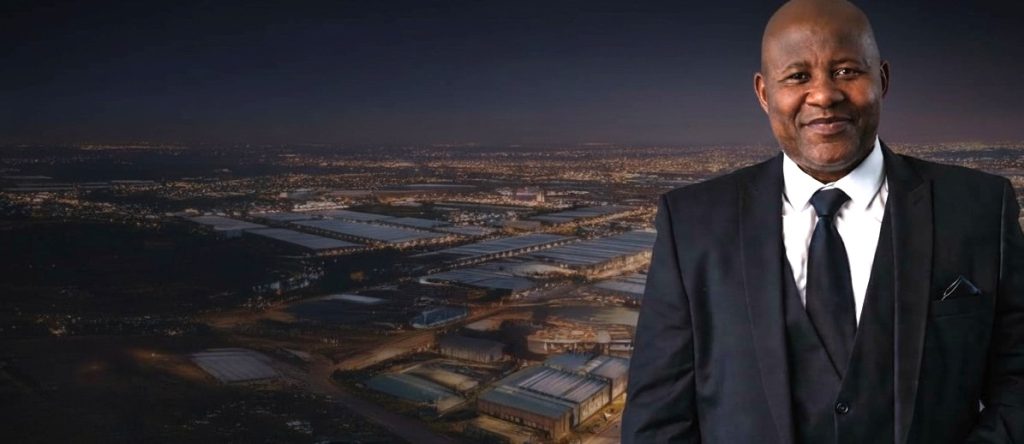
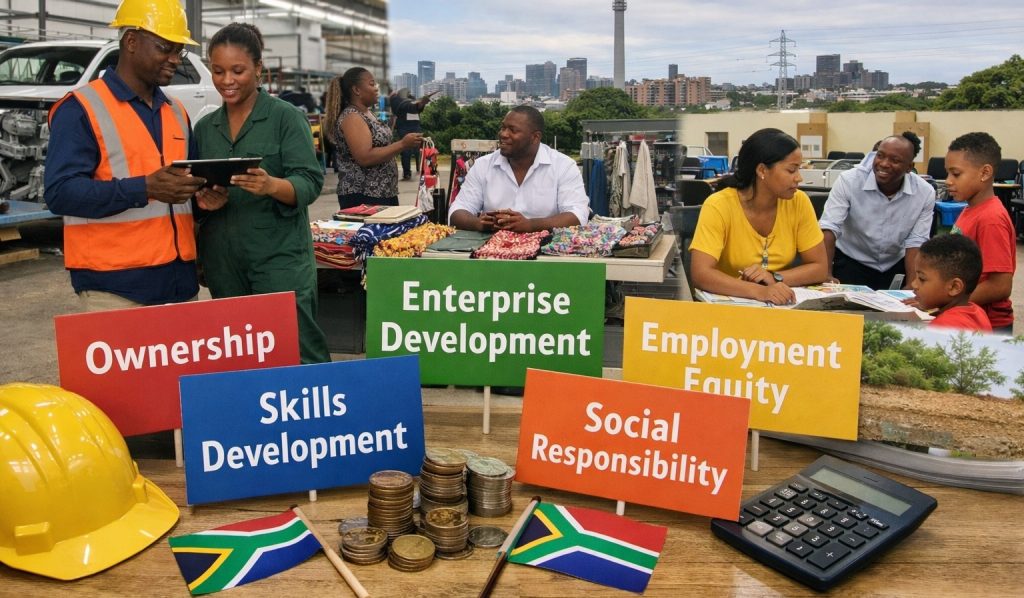
Broad-based black economic empowerment was never meant to be about compliance. It was meant to be about change, about opening doors, building skills, and creating real economic inclusion, writes Dr Bheka Zulu, CEO of the Tshwane Automotive Special Economic Zone. When we talk about transformation in South Africa’s economy, it often sounds like we are talking about paperwork. Too often, broad-based black economic empowerment (BBBEE) gets treated as a box-ticking exercise, a scorecard to be managed, instead of a movement to be led. But BBBEE was never meant to be about compliance. It was meant to be about change, about opening doors, building skills, and creating real economic inclusion. At the Tshwane Automotive Special Economic Zone (TASEZ), we sit at the crossroads of two of South Africa’s biggest goals: industrialisation and empowerment. This week, as we hosted a BBBEE Commission workshop with our tenants, partners, and local community representatives, one issue came into clear focus – transformation in the automotive sector must go beyond talk. It needs to deliver real, measurable results. A sector that matters The automotive industry plays a huge role in South Africa’s economy. It contributes around 5.3% to the national GDP and about 30% of the total manufacturing output. Behind those numbers are people – more than 130 000 direct jobs, and many thousands more through the supply chain. But the truth is, transformation has not kept pace with this growth. Leadership in the sector still does not reflect the demographics of our country. Ownership remains concentrated. Supplier development often stops at token efforts. As the industry shifts toward new energy vehicles (NEVs), we have an opportunity to correct this. The future of the automotive sector cannot mirror the inequalities of the past. BBBEE gives us the framework to do things differently. The codes of good practice were never just about ownership; they were about five interconnected pillars: ownership, management control, skills development, enterprise and supplier development, and socio-economic impact. These must now become the foundation for how we build a fairer, more innovative, and future-ready industry. Turning policy into progress At TASEZ, we have made a deliberate choice to make transformation practical and measurable. In recent years, we have channelled more than R1.7-billion in contracts to small, medium and micro enterprises (SMMEs), many of them black- and women-owned. Over 40% of our procurement is local. Those are not just numbers on a page; they translate to more than 5 000 jobs created during construction, 80% of them for women and 60% for young people. People with disabilities are also increasingly part of our projects. But transformation is not just about procurement spend. It is about building capacity that lasts. I would suggest we establish a Skills Development Forum that brings together original equipment manufacturers (OEMs), component suppliers, and local colleges to ensure the skills we teach match the jobs that exist and those that will exist in the future. Small businesses are another priority. Many promising enterprises do not fail because of a lack of ideas; they fail because they do not have the support systems for compliance, HR, or financial management. That is why TASEZ is introducing shared back-office support for SMMEs in the automotive value chain. If we want black industrialists to thrive, we cannot expect them to do it alone from garages and backrooms. Building local capacity Real transformation is also about building economic independence. For too long, our sector has depended on imports. We have to change that by focusing on localisation and innovation. Our goal, as expressed in the South African Automotive Masterplan 2035, is to raise local content levels from 40% to at least 60%. That means developing black-owned suppliers into full manufacturers, innovators, and exporters, not just intermediaries. It means investing in partnerships with universities and research institutions, so that South African engineers and entrepreneurs can lead the way in electric mobility, battery recycling, and green manufacturing. We should also establish a Green SMME Innovation Sandbox to support enterprises involved in circular-economy opportunities such as waste recovery, e-waste, and battery recycling. Let us create a space where new ideas can be tested. The future of BBBEE is as much about sustainability as it is about ownership. Inclusion must be intentional True transformation leaves no one behind. We have seen the incredible results when women and people with disabilities are intentionally included in training, production, and leadership. That inclusion needs to become standard practice. The same applies to our local communities. Our social compact with residents around TASEZ is not symbolic, it is real. Through enterprise incubation, community training, and mentorship programmes, we are working to make sure that the special economic zone (SEZ) model uplifts the people who live closest to it. Transformation and competitiveness go hand in hand The automotive sector is at a major turning point. By 2035, the world will be dominated by NEVs. Export markets are already tightening their emissions standards, and if we don’t adapt quickly, we risk being left behind. Transformation must therefore be seen as a tool for competitiveness. BBBEE should drive innovation and productivity, not just compliance. It should open doors for local firms to access global supply chains and strengthen their ability to compete. That means better financing for black suppliers, guaranteed offtake agreements, and strong mentorship partnerships between international OEMs and emerging South African manufacturers. The road ahead Our message is simple: let us reclaim BBBEE as a national mission for industrial renewal. Let us link empowerment to productivity, localisation to sustainability, and inclusion to innovation. The next phase of transformation must be about building black-owned exporters, green manufacturers, and a generation of young technicians ready for the digital and green mobility era. We need to move from counting scorecards to building real capacity, because transformation is not only about fairness, it is about South Africa’s readiness for the future.

Together, we can grow the auto sector

By Mandla Mpangase From attracting foreign direct investments, to supporting auto component producers, to providing skills for the future, to opening up opportunities for local communities, the Tshwane Automotive Special Economic Zone (TASEZ) has an several key roles to play in the transformation of the automotive manufacturing sector.  TASEZ CEO, Dr Bheka Zulu, described just some to the work TASEZ does during a panel discussion on the opening day of South Africa Auto Week 2024 in Cape Town. TASEZ is a key partner of this annual gathering of the industry. A hot topic at the high-powered event, taking place from 15 – 18 October 2024, is that of training skilled workers for an evolving sector, as the production of new energy vehicles (NEVs) is no longer on the horizon, they are already here. “South Africa’s workforce must keep pace,” Dr Zulu said. The rise of EVs, autonomous driving technologies, and smart manufacturing requires an entirely new set of skills. This is where the TASEZ Training Academy comes into play. With the manufacturing sector in constant change as the Fourth Industrial Revolution takes hold, TASEZ, through its’ training academy, is making sure that workers are equipped for this future. “This initiative is critical in ensuring that the country not only retains its competitive edge in automotive manufacturing but also contributes to the development of a highly skilled, future-ready workforce.” “But,” Dr Zulu told the panel, “our academy goes much further; it also offers training to emerging businesses and small, medium and micro enterprises (SMMEs) in both business management as well as the soft skills of marketing their products.” The CEO pointed out the importance of supporting SMMEs and the local communities bordering the SEZ. Currently SMMEs are estimated to contribute 40% towards South Africa’s Gross Domestic Product (GDP). The National Development Plan highlights the importance of SMMEs to the economy. It envisages that 90% of all jobs will be generated by small enterprises in 2030. “As South Africa charts a course toward a more competitive, inclusive, and sustainable automotive industry, we must all go all out to make grow and transform our sector,” Dr Zulu added.

‘Vision with action can change the world’

It is fitting, in a month where the world remembers former president Nelson Mandela, that the Minister of Trade, Industry and Competition, Parks Tau, opened his budget vote address with a quote from Madiba: “Action without vision is only passing time. Vision without action is merely day-dreaming. But vision with action can change the world.” These words reverberate within the Tshwane Automotive Special Economic Zone’s core, sitting at the heart of the special economic zone’s (SEZ) ethos. Speaking in Parliament on 16 July 2024, Minister Tau noted that the words also echo the country’s aspirations to build a dynamic, industrial and globally competitive South Africa that is transformed, inclusive and equitable. This is “anchored on industrialisation, transformation, job creation and building a capable and developmental state”. The minister emphasised the importance of manufacturing-led growth. “Manufacturing creates jobs in upstream and downstream sectors,” Tau explained, adding that these jobs were typically permanent and paid decent wages, with workers able to access to skills development and career path opportunities. Instruments such as the South African Automotive Masterplan are crucial; with their focus on supporting localisation, increasing investment, and creating and retaining jobs. “We have industrial capabilities as a country,” he added. The Department of Trade, Industry and Competition (the dtic) would, in identified industries, work closely with relevant state-owned entities and industry to support local manufacturing of key products and to create jobs. Growing the export markets Of importance to TASEZ, is the fact that the minister identified the need to expand and improve exports. South Africa’s automotive sector already exports the bulk of the vehicles manufactured here. In May 2024, naamsa noted that “record high vehicle exports ensured that the automotive industry outperformed the rest of the manufacturing sector” last year.  “The export value of vehicles and automotive components increased by R43.5-billion, or 19,1%, from the R227.3-billion in 2022 to a record R270.8-billion in 2023, comprising 14,7% of total South African exports.” Naamsa noted the export performance included “record exports to all major regions, including the European Union, Africa, the Southern African Development Community, and North America”. Minister Tau pointed out that South Africa’s location at the tip of “the second-fastest growing region in the world”. To reduce a dependence on a small domestic market, “the dtic will implement new export measures, coupled with expanding the current measures and improving their effectiveness” and will work towards expanding its export footprint through BRICS+ (Brazil, Russia, India, China,Iran, Egypt, Ethiopia and the United Arab Emirates), the African Continental Free Trade Area (AfCFTA), the African Growth and Opportunity Act (AGOA) partnership with the United States, and the Economic Partnership Agreement with the EU. Turning to SEZs, the minister reminded parliament that the reason the country had set up SEZs was “to expand economic activity to under-developed parts of South Africa. There are many benefits to this including, creating jobs closer to where our people live and thereby reducing the cost burden poor people carry.” There was no logical or economic rationale for forcing people to live far from their families in increasingly crowded living spaces. “Spatial equity is therefore, a non-negotiable.” Referring to the 11 SEZs established so far, the minister noted: “These SEZs have generated investments amounting to R19.6-billion. In addition, these SEZs provide an on-going revenue stream to national government through ongoing corporate, PAYE and VAT payments. These contributions to tax revenue across over 100 firms located in SEZs far outweigh the initial establishment costs.” Like TASEZ, which is located between Eerstrust, Mamelod and Nelmapius, South Africa’s industrial parks are often located in or adjacent to townships. And these industrial parks provide jobs and incomes to people from the neighbouring townships. “We, therefore, encourage private-sector participation in the industrial parks, in order to assist to improve operations and facilities, and encourage private sector investment.”

TASEZ features on Power FM business programme

The secret to the success of the Tshwane Automotive Special Economic Zone lies in its partnerships, says board chairperson Lionel October. He was speaking to Power FM’s Noluthando Mthonti-Mlambo during the business focus on 25 October 2023. TASEZ is based on partnerships between SEZ and the communities of Mamelodi and Eersterust, the Ford Motor Company of Southern Africa and its international component manufacturers that come from Thailand, Portugal, Brazil, as well as South Africa, and government. “If the three partners work together the community gets real benefits – [jobs and skills development], government provides the world-class infrastructure required, and the private sector creates the jobs and brings the technology, creating our export platforms that is the secret to success,” October said. TASEZ is one of 10 SEZs set up in South Africa to help grow the South African economy. SEZs are geographically designated areas set aside for distinct economic activities and are supported by special arrangements and systems that are often different from those that apply in the rest of the country. They are seen as engines that can propel government’s strategic objectives of industrialisation, regional development, and employment creation forward through attracting Foreign Direct Investment and exporting value-added commodities. Looking at the impact of TASEZ on the South African economy, October pointed out that it is a relative newcomer to the SEZ space, being built in record time, in two years and during Covid-19. This was thanks to strong leadership from the president, the Minister of Trade, Industry and Competition and the provincial and local governments, October said. In addition, Ford invested R16-billion into expanding their plant in South Africa. “They are now producing the new Ford Ranger vehicle in one of the biggest plants in their stable, exporting to over 100 countries.” Ford’s investment has seen the creation of highly skilled jobs – 2 000 created by Ford and 3 200 created by TASEZ. “This development has really been beneficial to the local economy.” Considering how South Africa’s SEZs measure up globally, October looked to China and the Asian Tigers, pointing out that their success can be attributed to SEZs. “While they obviously provide tax incentives and import incentives, but the real winning proposition that we see from China is power, land and logistics.” It is important to provide a proper logistics system, rail and road; to provide regular and consistent electricity; and to provide a well-developed zone in which to base the manufacturing businesses. In the case of TASEZ, the partnership with the City of Tshwane ensures consistent power to the zone, October said. “We’re working on a railway link between Tshwane and Gqeberha to use Port Elizabeth as an export port.” Added to this is the world-class infrastructure provided within the TASEZ hub.

SEZs represented at Transport Evolution Africa 2023

This year’s Transport Evolution Africa has an innovative new element; a lounge set aside to showcase the offerings of South Africa’s special economic zones. Transport Evolution Africa, taking place at the Inkosi Albert Luthuli ICC Complex in Durban, KwaZulu-Natal, from 20 -22 September 2023, provides access for all involved in the transport sector to access the entire value chain; from transport infrastructure, to logistics, to the access and manufacture of components, to cargo packaging and warehousing, to technology and innovation, to manufacturing. The theme for the three-day event is “Boosting transport infrastructure and logistic operational levers as strategic enablers for competitive trade in Africa”. As key role players in growing the South African economy, SEZ will be showing potential investors why they should do business in the country and in the zones in particular. One SEZ that is a strong presence at the exhibit is the Tshwane Automotive Special Economic Zone (TASEZ), which is one of the sponsors of the event. TASEZ CEO Dr Bheka Zulu will be delivering a keynote address, “Unlocking synergies: SEZ zones and the transport sector evolution”. The SEZ will also be sharing its value proposition including its ideal location for automotive manufacturers and component suppliers, its numerous tax incentives, and its ready supply of qualified local workers. Transport Evolution Africa, which has been running for a decade, creates a platform for everyone involved in the sector to build strong partnerships, make use of expert networks, and market their offerings across a broad spectrum of channels. It is expected that more than 3 000 people will be attending, with over 100 exhibitors. The exhibit allows for the sharing of the latest trends, showcasing innovation, numerous workshops and lectures, and access to the industry’s thought leaders.

Women of the SEZs initiative launched in Mamelodi

Shining a spotlight on the role of women in South Africa’s economy, a significant event took place in Mamelodi on 7 September 2023 with the launch of the Women of the SEZs initiative. The initiative aims to showcase the achievements of women in the special economic zones (SEZs) space, inspire future generations, and create an environment that nurtures their growth and success. Welcoming participants to the event, Tshwane Automotive Special Economic Zone (TASEZ) corporate services executive Vangile Nene said the intention of the initiative is to create a legacy, much like how people look back at the contribution made by the women of 1956, who marched to the Union Buildings protest the pass laws. “We hope that generations will look back on this day,” she added. Among those attending the launch was the chair of the SEZ CEO Forum Kaashifah Beukes; the acting deputy director-general responsible for industrial finance at the department of trade, industry and competition and TASEZ board member, Susan Mangole; Irene Ramafola, the chair of TASEZ’s audit and risk committee; TASEZ’s CFO, Rebecca Hlabatau; and Lebogang Zwane, project manager at the Motheo Construction Group. Also present were community liaison officers from the Community Project Committee, a structure set up between the local communities of Eersterust, Mamelodi and Nellmapius and TASEZ to find ways of working together to create local job opportunities and training programmes; representatives from DSV, Feltex and Automould – factories based within the TASEZ hub; and the women of TASEZ. The Women of the SEZs initiative is a declaration of the sector’s commitment to building a future where women’s voices are not only heard but celebrated, and where their contributions are not only acknowledged but revered. Growing the Women of the SEZs initiative “We want to grow this initiative and involve all the other SEZs across the country, and beyond,” Nene added, while Mangole noted that “today marks an important day, where we find ways to inspire and build women.” Central to the launch was a panel discussion on the role of women in South Africa’s key economic sectors and how the role they can play in bring about transformation. Ramafola, as the panel moderator, pointed out that the women of 1956 had their own challenges, and “we have ours”. “While South Africa has made great strides in building a non-sexist society and progress has been made to promote gender equality, the same cannot be said when it comes to the economy,” she said. “Why is this the case?” she asked the panel. Panellists Mangole, Beukes and Zwane spoke passionately about the challenges women face in the industrial sectors, sharing practical solutions and personal experiences. Ideas raised during the wide-ranging discussion included: The Women of SEZs initiative is a rallying cry, a call to action to champion diversity, foster inclusivity, and empower excellence. It serves as a testament to the unyielding determination of women who continue to steer the course of progress, innovation, and collaboration within the SEZs and beyond.

Growing township automotive sector through investment, regulating, upgrading skills

Government takes the automotive sector very seriously, Premier Panyaza Lesufi said at a workshop on township mechanics held in Johannesburg on Wednesday, 6 September 2023. Addressing a packed hall of industry role players including the Tshwane Automotive Special Economic Zone (TASEZ), the Retail Motor Industry Organisation (RMI), the MerSETA (Manufacturing, Engineering and Related Services), the Automotive Industry Development Centre (AIDC), professional automotive mechanics, apprentices and learners, Lesufi said that key to investing in and growing the sector – particularly in the province’s townships – it was important to make sure that the businesses needed to be regularised and be competitive. In addition, “those who want to invest in the townships must invest on our terms. They must consult with the local players and make sure they empower them”, Lesufi said. The workshop was part of the Growing Gauteng Together initiative run by the Gauteng provincial government and the Gauteng department of economic development. He told the delegates at the workshop that the township economy was critical to developing the country’s economy in general. “This is the only province that has passed a law ensuring that the government will buy services from townships, hostels and informal settlements.” TASEZ is a prime example of ensuring that townships are included in the development of the automotive sector. One of the policies essential to the TASEZ business model is that investors must make provision for the inclusion of local community members in their workforces. Lesufi’s message drew on the data shared by the Deputy Minister of Trade, Industry and Competition, Fikile Majola, who noted that the workshop should provide long-lasting, actionable solutions. SMMEs crucial to economic growth The triple challenges of unemployment, poverty, and inequality impact on the country’s development agenda, and the townships are the epicentre of these challenges. More than a quarter of South Africa’s population live in townships and more than half of those in the townships are unemployed, yet the township economy is critical to the country. He referred to the importance of special economic zones (SEZs) being connected to the township model of economic development. SEZs are geographically designated areas set aside for specifically targeted economic activities to promote national economic growth and exports by using support measures to attract foreign and domestic investments and technology. TASEZ, Africa’s first automotive city, is located in Silverton near the townships of Eersterust, Mamelodi and Nellmapius. Much of the workforce used in the factories based at TASEZ come from the surrounding communities. Majola noted that the South African Automotive Masterplan spoke about doubling production by 2035. “One million cars are manufactured annually on the African continent, with 700 000 of those coming from South Africa, Morocco and Egypt.” The continent had a population of 1.3 billion. He compared this to the production figures from India, which manufactures 4 000 000 cars a year. It has a population of 1.4 billion. “We must be more competitive and ramp up production.” And that can be done through developing small, medium and micro enterprises (SMMEs). “Globally, all economies are driven by SMMEs, but the number of SMMEs in this country is too small for an economy the size of South Africa,” Majola added. “If we are to expand the SMME base in South Africa, we have to think outside the box, but within the law.” Collaborative efforts TASEZ has a team dedicated to helping develop SMMEs and providing skills development programmes. Gauteng MEC for Economic Development Tasneem Motara pointed out just how important the automotive sector is to South Africa. It contributed 4.9% to the gross domestic product (GDP) in 2023. “It is a huge player in the economy with the potential to grow.” However, she added, picking up on the issues of SMMES: “How do we address the challenges small businesses face?” Common challenges include struggling to access to markets; financing; to support; and infrastructure. The automotive sector had added challenges, such as being unable to receive reliable parts; a lack of entrepreneurial skills; and the onerous and expensive accreditation processes. Collaboration was key to growing small businesses. “We need to focus on the informal sector, but also ensure that industry bodies are included.” Skills development was crucial, she added. “We have to find meaningful solutions.”

The chairman of the board of TASEZ visits the hub

TASEZ gets clean audit for third year in a row

TASEZ chairman of the board Lionel October has congratulated the entity on its sterling performance in receiving a clean audit from the Office of the Auditor-General. The Tshwane Automotive Special Economic Zone (TASEZ) is proud to announce it has received a clean audit for its 2022/23 financial report. This is the third consecutive year the entity has received such a finding from the Office of the Auditor-General. “It is with immense pride and gratitude that I announce a momentous achievement that reflects our unwavering commitment to transparency, accountability, and excellence,” said board chair Lionel October. “This clean audit reaffirms our commitment to prudent financial management, effective controls, and ethical practices.” The clean audit means that TASEZ produced financial statements that are free from material misstatements and have no material findings on reporting on performance objectives or non-compliance with legislation. “It reinforces our position as a reliable SEZ for local and international investors, assuring them that their investments are managed with the utmost integrity and diligence. Our ability to consistently uphold the principles of transparency and accountability is a cornerstone of TASEZ’s reputation as a world-class hub for automotive investments,” October added. TASEZ, known as Africa’s first automotive city, provides an SEZ that offers a range of financial incentives and high-level support services to investors. Its mandate is to accelerate economic reform through attracting investment and creating jobs and opening up opportunities for small, medium and micro enterprises – and ultimately transforming the automotive sector.