
26 March 2026
Infrastructure investment, the drive for localisation, and community integration position Tshwane’s automotive hub as a model for economic reform
By Mandla Mpangase
The Tshwane Automotive Special Economic Zone (TASEZ) is emerging as a leading model for inclusive industrialisation in South Africa, with government and industry leaders positioning the automotive hub as a practical pathway to drive economic reform, investment, and job creation.
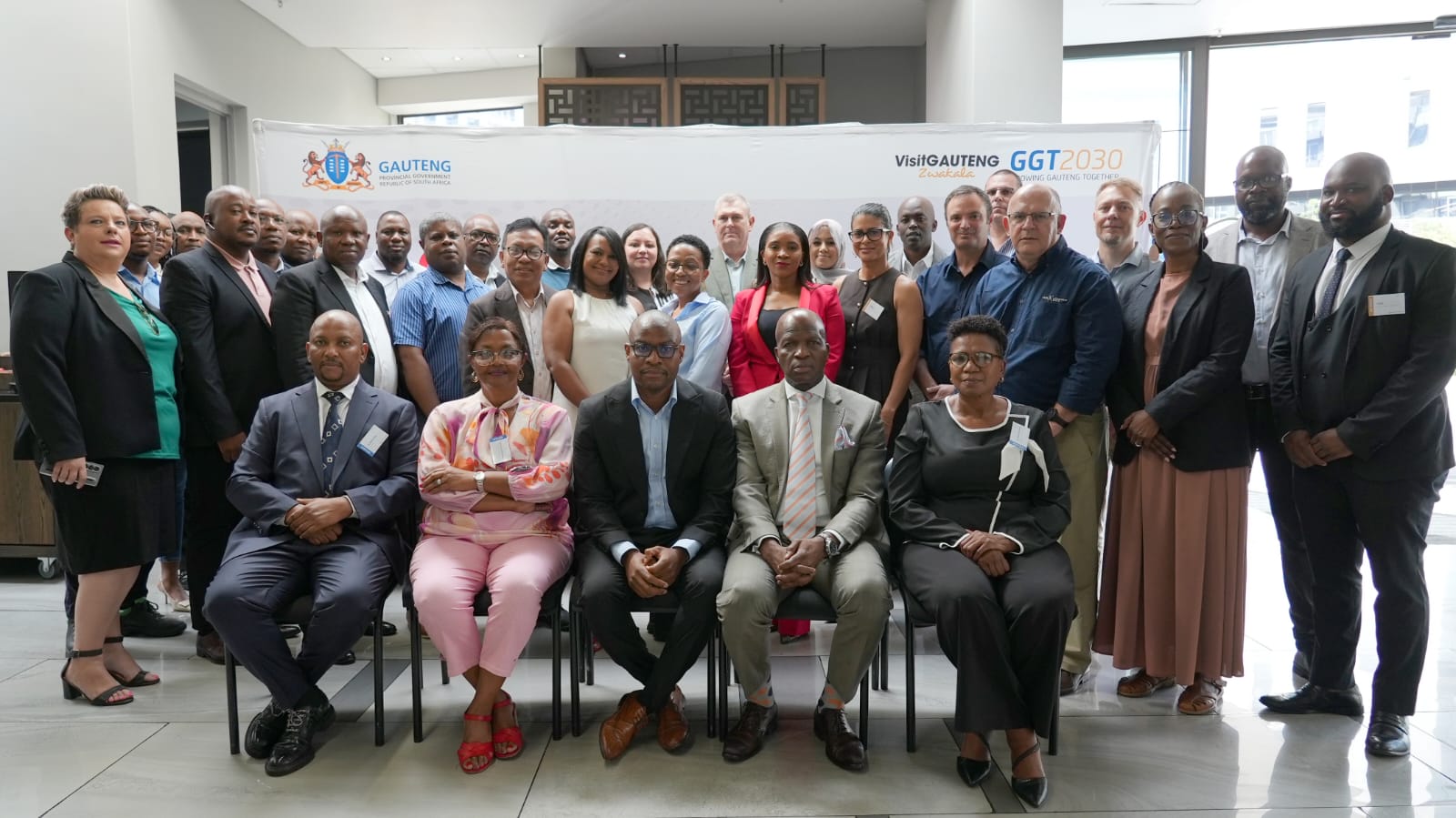
This message took centre stage at a high-level investor engagement held in Menlyn Maine, Pretoria, where stakeholders outlined how coordinated infrastructure investment, localisation strategies, and community integration are underpinning the zone’s growth.
Addressing investors and industry partners, TASEZ board chair Maoto Molefane said the evolution of the zone reflects a deliberate shift towards ensuring that industrial development delivers measurable socio-economic outcomes.
“This is not just about industrial expansion – it is about building a model that works for communities, for investors and for the country as a whole,” said Molefane.
He added that, despite persistent economic headwinds, targeted interventions through special economic zones offer a credible mechanism to accelerate industrial growth, deepen localisation and support structural transformation.
A model for economic reform and inclusion
Gauteng’s head of the Department for Economic Development, Motlatjo Moholwa, described TASEZ as an emerging blueprint for how South Africa can better align industrial policy with community development outcomes.
“We are not yet where we want to be, but we are getting there. What we are seeing here is a blueprint – one that can be adapted across the country to ensure that development reaches communities meaningfully,” said Moholwa.
Infrastructure investment anchors growth
The City of Tshwane COO Vuyo Zitumane outlined the City’s coordinated approach to enabling industrial expansion.
“Our focus is on creating a reliable, investor-friendly environment through sustained infrastructure investment and strategic planning. These developments are about positioning Tshwane as a globally competitive automotive hub,” said Zitumane.
Localisation and industrial deepening
TASEZ CEO Dr Bheka Zulu said the zone’s strategy is firmly anchored in localisation, industrial deepening and measurable economic impact.
“Our focus is on building an integrated automotive ecosystem that drives localisation, expands supplier participation and delivers sustainable industrial growth. TASEZ is not only attracting investment, but also ensuring that value is retained and expanded within the local economy,” said Zulu.
As TASEZ continues to scale, stakeholders say the focus will remain on converting policy ambition into tangible outcomes – from deeper localisation and expanded supplier networks to sustained job creation and community inclusion.
With further investment expected in the next phases and infrastructure upgrades gathering pace, the automotive hub is increasingly being viewed not only as a driver of regional growth, but as a test case for how South Africa can translate industrial policy into measurable economic reform.