Tasez

economy

How South Africa’s G20 Presidency can accelerate industrial growth through TASEZ

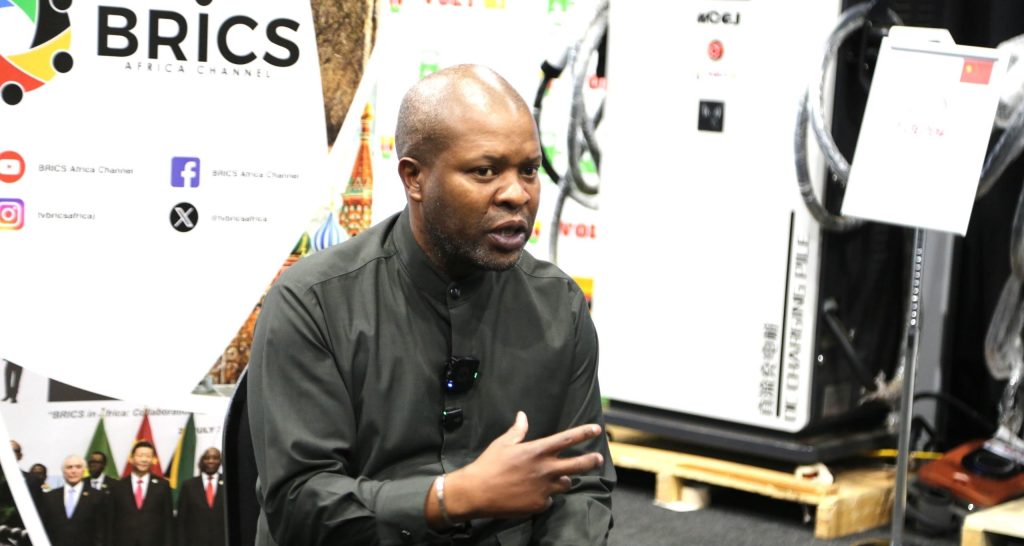
When South Africa welcomes the world to the G20 Leaders’ Summit this month, our nation will experience one of the most profound moments of global visibility since the country’s dawn of democracy, writes the CEO of the Tshwane Automotive Special Economic Zone (TASEZ), Dr Bheka Zulu. As heads of state, global CEOs, investors, and development partners converge on our shores for the G20 Leaders’ Summit on 22 and 23 November 2025, the world’s gaze will fall not only on our political leadership but on our economic capability, our industrial resilience, and our readiness to take our place in a rapidly shifting global economy. For those of us tasked with building South Africa’s next-generation industrial platforms, this moment is far more than a diplomatic milestone. It is an opportunity to reshape the country’s industrial trajectory for decades to come. And for the Tshwane Automotive Special Economic Zone (TASEZ), it is a chance to demonstrate that South Africa can compete, innovate, and lead in one of the world’s most dynamic sectors: automotive manufacturing. South Africa in the global spotlight The G20 is not just a gathering of 20 world leaders. It is a year-long platform where global investment sentiment is shaped, where development financing agendas are debated, and where emerging markets like South Africa position themselves as credible partners in the global value chain. It has already triggered accelerated investments in infrastructure, logistics, and city improvement projects, particularly in Gauteng. This matters for industrial zones like TASEZ. Better roads, more reliable energy, and upgraded transport networks are the lifeblood of manufacturing competitiveness. But the physical changes are only part of the story. The more significant shift is reputational. A successful G20 presidency can strengthen investor confidence, deepen trust in our economic institutions, and position South Africa as a stable, future-oriented industrial hub. That alone makes this moment essential for TASEZ and the broader automotive sector. Global industrial priorities What excites me is how closely South Africa’s G20 priorities align with TASEZ’s mission. The 2025 agenda focused on: These are not abstract ideas; they cut to the heart of the automotive industry’s transformation. As highlighted by the recent New Energy Summit held in Gauteng in October 2025, global value chains are pivoting to green mobility, clean manufacturing, and Africa’s integration into supply networks. TASEZ is uniquely positioned in this transition. We are already home to one of Africa’s most dynamic automotive production ecosystems, and we are preparing for a future that includes electric mobility, deeper localisation, and expanded supplier development. If South Africa leverages its G20 presidency effectively, we can secure the policy tools, partnerships, and financing mechanisms needed to accelerate this transition. Showcasing South Africa’s successes The world will not judge us by speeches alone. They will judge us by what we build. This is why TASEZ intends to use the G20 window to demonstrate what coordinated public–private investment can achieve. As the fastest-growing automotive special economic zone (SEZ) on the continent, we have a compelling story to tell — one of job creation, skills development, township inclusion, supplier growth, and industrial expansion. We should be bold in inviting foreign delegations, development finance institutions, and global OEMs to see the zone firsthand. Site visits, technical tours, and bilateral industry roundtables can turn interest into investment. The G20 gives us a once-in-a-generation platform to do this at scale. The G20 Leaders’ Summit will bring renewed attention to Africa’s role in the global economy. For TASEZ, this is an opportunity to expand its influence beyond South Africa’s borders. Through stronger relationships with the Southern African Development Community (SADC) and African Union partners, we can position TASEZ as a catalyst for regional automotive value chains, a future where components made in Botswana, Mozambique, Zambia, or Zimbabwe flow seamlessly into assembly lines in Tshwane. More than symbolic South Africa must convert visibility into tangible improvements in industrial competitiveness. We must guard against the tendency to treat major summits as symbolic rather than strategic. Investment is not secured by banners, speeches, or social media clicks. It is secured by credibility, efficiency, transparency, and delivery. For TASEZ, this means: The 2025 G20 Summit is a strategic opportunity for South Africa to reposition itself as the continent’s industrial leader, providing a platform for government, business, and development partners to act with unity. For TASEZ, it is a chance to amplify what we already know: that South Africa can build globally competitive manufacturing hubs; that our people can produce world-class automotive products; and that, with the right partnerships, we can transition into the mobility future with confidence. The world is coming to South Africa. Will we use this moment to shape our industrial destiny? We at TASEZ intend to do just that.
TASEZ shows how SA can build an economy that works for all

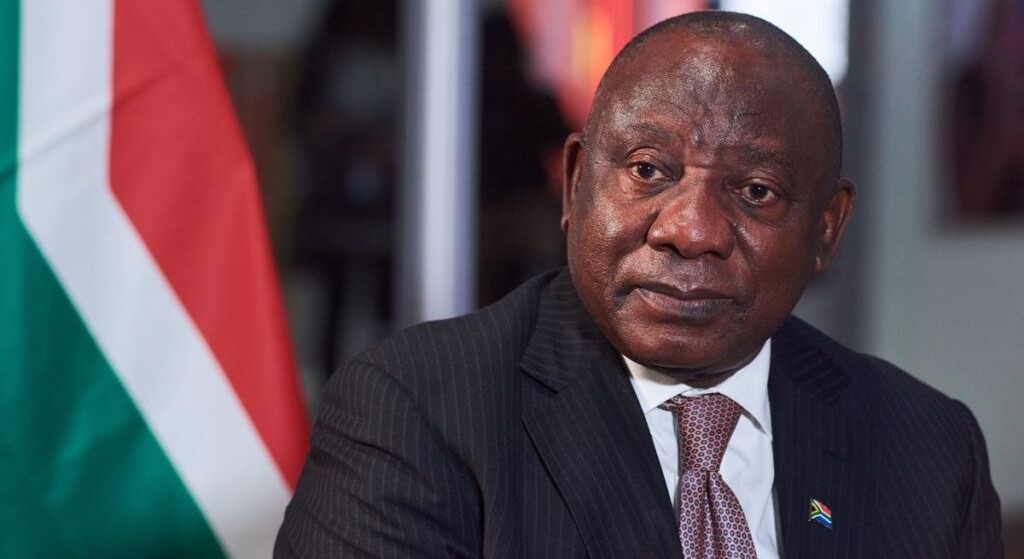
By Mandla Mpangase Every South African knows that when infrastructure fails, life becomes harder. Jobs disappear. Businesses relocate. Communities lose hope. But when infrastructure works, everything else begins to work too. Factories stay open. Investors arrive. That is the import of the speech given today by President Cyril Ramaphosa at the National Construction Summit held in Kempton Park, Ekurhuleni. “We are gathered here not just to talk about building an industry, but to build a nation,” the president said, adding: “We are gathered here to share a dream and determination to build a country that works for all its people. South Africa’s national economic drive has never been only about building structures; it has always been about building a country that gives every person a fair chance – something clearly articulated in the National Development Plan (Vision 2030). And the message has been clearly stated through the years of democracy. “From a social development perspective, infrastructure provides people with what they need to thrive,” President Ramaphosa told the summit participants. “It improves the quality of life and can play a key role in reducing inequality. Through reliable infrastructure, we can boost productivity and reduce the costs of living.” It also provides countries with what they need to grow and develop. “Infrastructure facilitates trade and commerce. When we boost infrastructure through the construction industry, we attract investment.” And few places capture this mission more clearly than the Tshwane Automotive Special Economic Zone (TASEZ). Where infrastructure becomes industrial strength “Infrastructure is the backbone of development because, among many other reasons, it bolsters economic competitiveness and sustainability. Without infrastructure, economic growth slows down, inequality deepens, and the quality-of-life declines,” Ramaphosa said. For years, underinvestment in roads, rail, and logistics has held back the key sectors of mining, agriculture, and manufacturing. But South Africa is now shifting course. As the president pointed out: “Infrastructure is poised to once again become the flywheel of the economy. Infrastructure investment is one of the most effective levers for stimulating economic activity.” This is evident in the employment figures released by Statistics SA earlier this week. The latest Quarterly Labour Force Survey released by Statistics South Africa in November 2025 indicates a decrease in the official unemployment rate from 33.2% in the second quarter of this year to 31.9% in the third quarter. Employment increased by 248 000 in the third quarter, with construction the largest contributor with 130 000 new jobs. This is not an accident. It is the result of a deliberate national effort to turn infrastructure into a growth engine. And TASEZ is one of the clearest examples of what that looks like in practice. The special economic zone (SEZ) is proof that when investment is made in the right infrastructure, such as reliable power, efficient logistics, and modern digital systems, further investment is made, jobs are created, and industrial capability is strengthened. TASEZ is where South Africa’s automotive future is being built, factory by factory, with global manufacturers choosing the Tshwane SEZ because the fundamentals are already in place. A model for inclusive growth The zone is succeeding not only because of its industrial strength but because of its social impact. It is bringing economic activity to communities long left on the periphery. It is creating opportunities for young people entering technical fields. It is giving small businesses a stake in a globally competitive value chain. As TASEZ CEO, Dr Bheka Zulu, notes: “When we talk about spatial redress, this is what it looks like: development that doesn’t speak about communities but works with them.” Towards investment Government has committed R1-trillion in infrastructure spending over the medium term, alongside reforms to unlock greater private investment. Procurement war rooms, new public-private partnership guidelines, and accountability frameworks are designed to ensure that projects do not stall but move quickly from planning to ground-breaking. As the world prepares to join South Africa for the G20 Leaders’ Summit, the country is showing what renewal looks like on the ground. Roads are being rebuilt. Industrial zones like TASEZ are expanding. If this momentum is sustained, TASEZ will not be the exception but the blueprint, demonstrating what is possible when strong infrastructure, a capable state, and committed investors come together.

Gauteng takes the wheel: Driving Africa’s NEV future

South Africa’s shift to green mobility is no longer a distant idea, it is now a commercial necessity, and the economic heartland of the country must take the lead in embracing New Energy Vehicles as a core economic sector for the country – and the rest of Africa, writes Lebogang Maile, Gauteng MEC for Finance and Economic Development. Gauteng is stepping up to lead South Africa and Africa into the new-energy vehicle (NEV) era. The province, already the country’s economic and industrial centre, is positioning itself as the continent’s NEV hub. The province hosted its inaugural NEV Summit on 22–23 October 2025, during the country’s Transport Month, under the auspices of the Gauteng Growth and Development Agency, along with the Automotive Industry Development Centre (AIDC) and the Tshwane Automotive Special Economic Zone (TASEZ). South Africa’s shift to green mobility is no longer a distant idea, it is now a commercial necessity. Gauteng is determined to lead South Africa’s transition to electric and low-carbon mobility. The South African automotive industry is facing a tough operating environment, heightened by the imposition of a unilateral 30% reciprocal trade tariff by the government of the United States, which has consistently been South Africa’s second-largest trading partner and key export destination for South African-manufactured vehicles. The sector is particularly vulnerable to the 25% sectoral tariff imposed under Section 232 of the United States Trade Expansion Act of 1962, which specifically targets automotive exports. In addition, global markets, particularly the European Union, are tightening carbon regulations. For South Africa to keep exporting vehicles and stay competitive, it must move fast to build an industry that produces low- and zero-emission cars. Laying the foundation The transition is backed by strong policy frameworks. The South African Automotive Master Plan 2035 (SAAM 2035) sets clear goals for increasing local content, boosting exports, and creating inclusive growth. The government’s White Paper on electric vehicles, approved at the end of 2023, provides a roadmap for building the NEV ecosystem from production and charging infrastructure to skills development and consumer incentives. Although the paper references electric vehicles, South Africa must take into account other green initiatives, such as hydrogen and battery. The policy direction is clear – our job is to make sure Gauteng becomes the first mover. The NEV transition is about jobs, skills, and industrialisation, not just greener cars. We are ready to lead Africa in this journey. Why Gauteng? South Africa’s economic hub has all the right ingredients: skilled workers, advanced manufacturing infrastructure, financial and logistics networks, and a strong automotive heritage. Ford, based in the City of Tshwane, has been in South Africa for over a century. Gauteng’s existing automotive value chain makes it the natural home for Africa’s NEV future. The province already hosts major original equipment manufacturers like BMW, Ford, and Nissan, and supplier networks that can pivot to battery, electronics, and component manufacturing. We already have the backbone, from vehicle assemblers to tiered suppliers. What we are doing now is aligning that value chain with new technologies, from battery assembly to software integration. The transition is not just about attracting investment; it’s about future-proofing Gauteng’s manufacturing economy. Turning policy into factories Gauteng is now focused on turning national policy into tangible projects. The Automotive Investment Scheme (AIS) and EV production incentives announced by the Department of Trade, Industry and Competition (the dtic), including a 150% investment allowance for qualifying projects, are key tools to make that happen. We are working closely with the dtic and industry stakeholders to streamline approvals and remove red tape. Investors do not want promises; they want certainty. Gauteng is offering that – a clear pathway from policy to plant. But we are also well aware of the challenges we face, from electricity reliability and logistics to the high costs of new technologies. One of the key projects we have put in place to overcome these is the creation of a dedicated automotive hub in the City of Tshwane, with stable power, fast-tracked permitting, and shared testing and recycling facilities to lower entry barriers for manufacturers. Building demand and inclusion A vibrant NEV industry also needs a domestic market, and Gauteng is exploring ways to stimulate demand through public fleet electrification, taxi modernisation programmes, and municipal procurement. Demand creation will be critical to attracting more investors. OEMs and suppliers want to see that South Africa is serious about NEVs – that there is a real market for these vehicles. If we in government lead by example through fleet conversion, others will follow. Gauteng has the opportunity to set that example for the rest of the continent. Beyond manufacturing, Gauteng’s NEV strategy emphasises skills development and inclusion. The transition is being designed to create opportunities for black-owned medium, small, and micro enterprises, youth, and women entrepreneurs in new parts of the value chain, from charging infrastructure to digital mobility services. A turning point for the economy The upcoming NEV Summit is expected to produce a clear action plan: identifying priority sites, announcing anchor investors, setting timelines for disbursing incentives, and mapping out power and logistics upgrades. This summit was not just about speeches; it was about signatures. We want commitments, timelines, and projects that will create jobs and secure Gauteng’s place at the centre of Africa’s new energy future. If Gauteng can convert its strategic intent into action, the province will not only revitalise South Africa’s automotive manufacturing base but also anchor the continent’s NEV revolution. The race to lead Africa’s green mobility future has begun, and Gauteng plans to be first across the line.

Future of auto industry at centre of national discourse – MEC Maile

By Mandla Mpangase The discussion on the importance of new energy vehicles is taking place at a critical time in South Africa, where the future of the automotive industry is at the centre of national discourse, Gauteng MEC for Economic Development and Finance Lebogang Maile told the New Energy Vehicles Summit in Midrand today. The summit comes at a time when Gauteng is positioning itself as the automotive industrial hub for Africa, leveraging its existing automotive base, advanced logistics, and skills ecosystem. Critical to this positioning is the need to embrace the revolution that is the new energy vehicles (NEVs). Gauteng is determined to lead South Africa’s transition to electric and low-carbon mobility in line with global decarbonisation imperatives and the South African Automotive Masterplan 2035. “The South African automotive industry is facing a tough operating environment, heightened by the imposition of a unilateral 30% reciprocal trade tariff by the government of the United States, which has consistently been South Africa’s second-largest trading partner and key export destination for South African-manufactured vehicles,” Maile said, adding that on the manufacturing side, Original Equipment Manufacturers (OEMs) also face mounting challenges. South Africa’s automotive sector is particularly vulnerable to the 25% sectoral tariff imposed under Section 232 of the United States Trade Expansion Act of 1962, which specifically targets automotive exports. Key sector “The South African automotive industry is a cornerstone of the economy and contributes 22.6% to total domestic manufacturing output. It also directly supports over 110 000 formal sector jobs – a significant number in an economy that is battling with the creation of sustainable employment.” The MEC noted that a few months ago, naamsa (the Automotive Business Council) noted that the tariffs, and the broader uncertainty in our trade relations with the United States strike at the heart of South Africa’s industrialisation agenda and threaten future investment in high-value manufacturing. Mercedes Benz in East London, for example, exports at least 90% of its vehicles to the United States, making evident the impact of such an uncertain economic climate on the East London Special Economic Zone. “Tariffs have had a severe impact on South Africa’s automotive industry, leading to a sharp drop in exports to the United States, job losses, company closures, and reduced GDP contribution of the automotive sector.” Vehicle exports to the United States have fallen drastically, with one report noting an 82% drop in the first half of 2025 compared to the previous year. Challenges “The industry has also experienced layoffs and job losses, with thousands of positions under threat due to companies losing contracts and reducing production,” the MEC said, adding that at least 12 company closures have been linked to these pressures, impacting the component manufacturing sector and its over 80 000 employees. Communities like those in East London, and the broader Eastern Cape, which are heavily dependent on the automotive sector, are at risk of economic destabilisation. Beyond job losses, the National Union of Metal Workers of South Africa (NUMSA) has also highlighted the risk of short-time that has been introduced at 26 companies in the Eastern Cape – many based in Gqeberha. “Various economists have identified three structural challenges that are currently confronting the automotive industry, specifically, navigating South Africa’s exposure to tariff barriers in the United States, as outlined, the danger of dumping, and adapting to the global shift towards new energy vehicles,” said Maile. However, he noted, while these are real challenges with far-reaching implications, critical interventions can transform them into opportunities – particularly in relation to new energy vehicles. “New energy vehicles are crucial for South Africa’s future as they offer significant economic and environmental benefits, including reducing greenhouse gas emissions and lowering fuel costs, while supporting industrial growth and job creation through local manufacturing and infrastructure development.” New energy vehicles produce significantly fewer greenhouse gases and pollutants compared to internal combustion engine vehicles, which can help in combating urban air pollution and climate change. The place of new energy vehicles is also clear, with their lower operating costs and potential for industrial growth, the MEC said: “Electricity is cheaper than petrol and diesel, and energy vehicles have fewer moving parts, reducing overall maintenance costs.” Additionally, as South Africa’s automotive industry contributes over 4% to GDP and 12.5% to exports, transitioning to new energy vehicles can safeguard this sector’s global competitiveness, especially with European Union bans on internal combustion engine  vehicles by 2035. New energy vehicles are also key to a Just Energy Transition, reducing reliance on fossil fuels, which can help reduce reliance on imported fossil fuels that are increasingly subject to price volatility. Recognising potential NEVs could position South Africa to become a hub for regional battery production and new energy vehicle technology. Recognising this potential, the national government has developed policies covering for NEV production, infrastructure, and skills development. “As a result of this intervention, a 150% tax rebate for new energy vehicle production starts in March 2026, with over R1-billion having recently been allocated to support local new energy vehicle and battery manufacturing.” The MEC said that such investments in local battery production address the salient challenge that new energy vehicles pose – mainly that they are significantly more expensive than internal combustion energy vehicles due to import duties and more importantly, a lack of local battery production. A strategy is currently being finalised to secure supply chains for critical minerals like cobalt, lithium, and nickel, which are essential for battery production. “This is part of a larger plan to beneficiate these materials locally instead of exporting raw forms.” This is in alignment with the Gauteng’s mineral beneficiation strategy that focuses on adding value to raw materials by transforming them into higher-value products, with a key role in refining precious and base metals. Developing local battery manufacturing capacity for NEVs, and mineral beneficiation broadly, will address economic diversification, ensuring that the province moves beyond raw material extraction to creating a more value-added mineral economy and to retain more wealth within the province and the country broadly.

Gauteng charges ahead with Africa’s green mobility future

Gauteng is looking to secure its place on Africa’s map in terms of the production of New Energy Vehicles (NEVs), setting an agenda that will see a green transport revolution across the continent. Under the leadership of Gauteng Department of Economic Development, via the Gauteng Growth and Development Agency (GGDA), the province is translating big ideas into reality; from policy to production and from vision to economic reality. In September 2025, Gauteng MEC for Economic Development and Finance Lebogang Maile laid the foundation in an address at a dialogue with the automotive industry. There, he outlined the province’s ambition to turn Gauteng into the hub of Africa’s automotive industry – and NEVs have to play an important role in this. Gauteng already accounts for a third of the country’s automotive manufacturing output. In 2024, the automotive industry contributed 5.2% towards South Africa’s GDP, with 110 000 direct jobs – 33 154 in the original equipment manufacturers and 81 860 people employed by component manufacturers. It is also home to three original equipment manufacturers (OEMs), BMW, Ford and Nissan – all based in the City of Tshwane – as well as automotive development hubs such as the Automotive Industry Development Centre (AIDC) and the Tshwane Automotive Special Economic Zone (TASEZ). Together, Gauteng’s OEMs produced 1.8 million vehicles between 2014 and 2023, accounting for 32.8% of South Africa’s vehicle production, and, according to the naamsa (the Automotive Business Council), Gauteng’s automotive sector is expected to gain momentum, especially with the establishment of the Tshwane Automotive City. Making sure the vision becomes concrete, the GGDA, along with the AIDC and TASEZ, is hosting the 2025 NEV Summit to drive Gauteng towards a green automotive economy, providing insights into trends and innovations across the NEV sector. A strong manufacturing sector For decades, South Africa has powered Africa’s automotive industry. Yet the global automotive landscape is shifting rapidly. The European Union’s carbon neutrality commitments are reshaping trade and market access, making low- or zero-emission vehicles essential for competitiveness. NEVs are no longer optional, they are essential to South Africa’s continued participation in global markets and will play a significant role in meeting the target set in the South African Automotive Master Plan (SAAM 2025) to manufacture 1% of the global automotive output. Against this backdrop, the NEV Summit will unite manufacturers, investors, policymakers and innovators to accelerate South Africa’s NEV transition. It is where strategies from the SAAM 2035 and Electric Vehicle White Paper move from the drawing board to the production line. As South Africa’s industrial heartland, Gauteng – which produces a vehicle every three minutes – offers a complete ecosystem with world-class logistics, skilled labour, top universities, and a strong innovation network that is capable of driving the green mobility revolution forward. Through its focus on localisation, battery manufacturing, and value chain integration, Gauteng offers Original Equipment Manufacturers (OEMs) and investors a ready-made base for the NEV industry. Gauteng’s proactive approach positions South Africa as both compliant with international climate goals and competitive within the global market. Sustainability is no longer a nice-to-have; it is now a core driver of industrial success. Building skills for the future The shift to NEVs also demands new skills – from battery technology to software development and recycling innovation. Gauteng’s education and training institutions, supported by the GGDA, AIDC and TASEZ, are already preparing the workforce for this next-generation economy. The province is not only building factories, it is building people, ensuring that the transition is inclusive and sustainable. Gauteng’s ambition extends beyond South Africa’s borders. With Africa’s rich reserves of lithium, cobalt, and manganese – critical for battery production – the province aims to localise value-add and establish itself as the gateway for Africa’s NEV value chain. This also fits neatly in the target set in the SAAM 2025 to raise localisation to 60% by the middle of the next decade. By creating a connected network of automotive and energy hubs across the continent, Gauteng is laying the groundwork for Africa to lead the continent’s green transition. The NEV Summit 2025 will showcase how Gauteng is driving this transition, demonstrating that green growth and industrial expansion are not opposites, they are on the same route.

South Africa’s auto industry holds advantage in Africa, Says Minister Tau

By Mandla Mpangase South Africa’s automotive industry continues to anchor the country’s manufacturing capacity and offers a “unique competitive advantage” on the African continent, despite facing significant global and domestic headwinds. This was the message from Minister of Trade, Industry and Competition, Parks Tau, addressing delegates at South Africa Auto Week 2025, hosted by naamsa (The Automotive Business Council) in Gqeberha from 1–3 October. Tau said that while the sector has weathered one of its most challenging periods over the past nine months, it remains one of the cornerstones of South Africa’s economy. “In 2024, the industry contributed 5.2% to GDP and accounted for 22.6% of total manufacturing output. It provides nearly 500 000 formal jobs across assembly, components, retail and services, while supporting around one million livelihoods,” he told delegates. New markets and partnerships Tau highlighted fresh opportunities emerging on the continent and beyond. Following recent engagements in Saudi Arabia and Nigeria, he said South African component manufacturers could partner with counterparts in those countries to expand their footprint. “We’re prepared to allow African investors to partner with our local companies and create manufacturing capacity in those markets. It is an opportunity we must take advantage of,” Tau explained. At the same time, global OEMs operating in South Africa have committed to transitioning from semi-knockdown to complete knockdown production, deepening local manufacturing capacity. “Our duty is to work with these companies to ensure they become part of the local production base, taking advantage of South Africa’s skills and positioning the country as a platform for access to African markets,” Tau added. Transition to new energy vehicles The minister stressed that the industry is at a critical “inflection point” as global markets accelerate their shift away from fossil fuel vehicles towards new energy vehicles (NEVs). With major export destinations such as the European Union and the United Kingdom moving to ban new petrol and diesel vehicles from 2035, South Africa must adapt or risk losing market share. Already, the shift is underway: in 2024, South Africa recorded 15 600 new energy vehicle sales, representing 3% of the local market. The sector also attracted R12-billion in new investment for NEV-related manufacturing. Government has introduced measures to support this transition, including a 50% tax deduction for qualified NEV investments, partnerships with universities and research institutions, and strategies to localise production of critical inputs such as battery materials. “This is not just an industrial project,” Tau said. “It is about positioning South Africa at the heart of the global mobility revolution, not as a taker of technology, but as a maker. If we succeed, we will safeguard exports, create jobs, and place Africa at the forefront of clean mobility solutions.” Africa as an engine of growth Africa has emerged as a key market, with the continent becoming South Africa’s second-largest export destination in 2024. Vehicle exports into Africa grew by 12.4% year-on-year to R48.1-billion. The African Continental Free Trade Area (AfCFTA) is expected to further unlock opportunities, from reducing logistics costs to enabling vehicle assembly across the continent. Beyond vehicles, Tau noted, it could also drive mineral beneficiation, particularly for critical minerals such as cobalt, graphite, and lithium essential for the NEV transition. “Together, Africa can build a battery industry that reduces dependence on imports and positions the continent as a hub for clean mobility,” he said, adding that South Africa is leading the development of an African automotive hub that could align policies and attract investment. In closing, Tau emphasised that South Africa’s auto sector, with its industrial depth and mineral wealth, is uniquely positioned to lead Africa’s role in the global energy transition. “The automotive sector has been at the heart of our industrial story for more than a century. Today, it stands at a defining moment. “Its transition to new energy vehicles will define our relevance in a low-carbon world, while its integration into Africa’s free trade area positions us as leaders on the continent,” he said. “If we seize this opportunity, we will not only secure South Africa’s competitiveness but also place Africa at the forefront of the global mobility revolution.”

SMMEs are levers of innovation-led industrialisation that can diversify and decarbonise SA’s economy

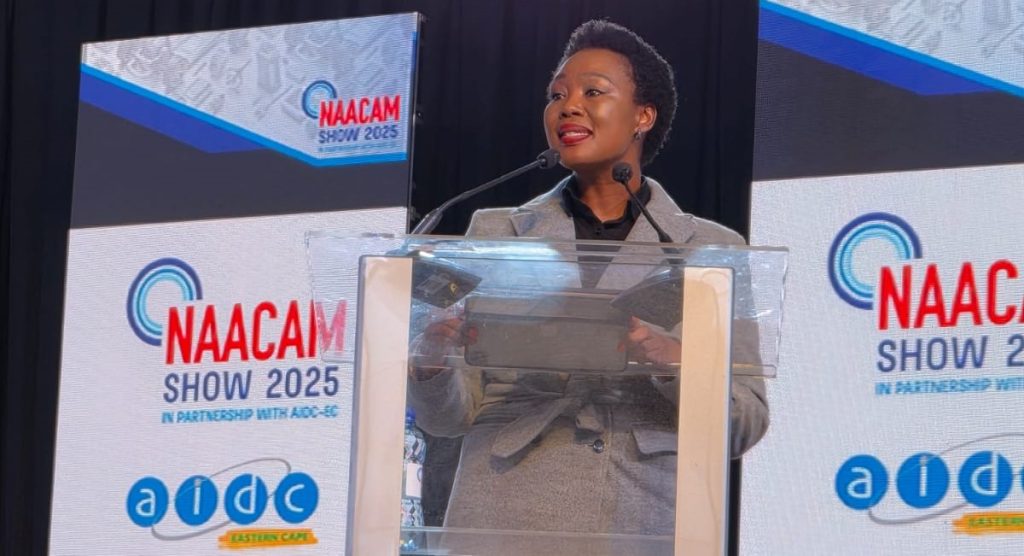
By Mandla Mpangase The 2025 Naacam Show is taking place at a time when the automotive sector is undergoing transformation that is driven by technology and decarbonisation. “We meet as the global economy faces strong headwinds brought about by new shifts towards unilateralism and protectionism,” the Minister of Small Business Development, Stella Ndabeni, said in her address on the second day of the show, 14 August 2025. “We know the US tariffs will impact the market competitiveness of OEMs, including those located in (the Eastern Cape).” This year, the Naacam Show is taking place in Gqeberha in the Eastern Cape, displaying the capabilities within South Africa’s leading manufacturing sector. TASEZ, too, is attending the Naacam Show, sharing information about the special economic zone. Emphasising the tone set the day before by the Minister of Trade, Industry and Competition, Parks Tau, Ndabeni emphasised that failure to position the country strategically and reprioritise aspects of the South African Automotive Master Plan, could see us falling behind. “This is something all of us need to galvanise around,” she said. “We know we need to tweak our model. Rebates on imports have improved the competitiveness of OEMs, but have not enabled the development of local supplier capabilities. “We haven’t built the necessary capabilities in design and innovation, and in specialised components.” The Naacam Show, the minister noted, is more than an industry exhibition. It is a platform to benchmark where South Africa stands as a supplier of components, and provides insights into what the government, original equipment manufacturers, and representative bodies like Naacam need to do to position themselves in a rapidly changing industry. “The overall competitiveness of the South African automotive sector depends on the extent to which we can master vertical integration across the value chain,” Minister Ndabeni added. “Shared economic infrastructure like automotive supplier parks and special economic zones have played an enabling role in promoting such integration, as have industry clusters.” Like the Tshwane Special Economic Zone (TASEZ), the Department of Small Business Development is committed to the inclusion of small, medium, and micro enterprises (SMMEs), including the automotive sector. “The reality is: without deep transformation, the sector will not meet the inclusive growth targets set out in the South African Automotive Master Plan 2035 (SAAM 2035,” Ndabeni said. With its focus on developing SMMEs, the Department of Small Business Development, together with the Automotive Industry Development Centre (AIDC) and the International Labour Organisation (ILO), completed a detailed feasibility study for the establishment of a Gauteng-based automotive cluster. “The study confirmed that such a cluster is not only feasible, but strategically necessary to address coordination gaps, improve supplier readiness and deepen SME integration in the value chain, especially the production of high-quality components by SMEs.”  In addition, department, through the Small Enterprise Development and Finance Agency is leveraging strategic partnerships to support SMMEs through: “These partnerships are grounded in co-investment, shared learning, and the common goal of expanding opportunities for small businesses in the automotive space.” The Department of Small Business Development also has targeted financial tools to help SMMEs, such as: The minister pointed out that in her 2025/2926 budget vote speech, she announced that the department would support one million SMMEs. “I announced the establishment of a development fund, capitalised at R2.95-billion over the medium-term expenditure framework (MTEF), targeting new entrants, including micro and informal businesses,” Ndabeni said, encouraging micro enterprises in the automotive after-care and services market to apply. Announced at the same time were the establishment of a commercial fund for more high-growth SMMEs capitalised at just under R1-billion over the MTEF, a women’s fund capitalised at R300-million, and a youth fund also capitalised at R300-million. Ndabeni also spoke about South Africa’s Presidency of the G20 this year, noting that the Department of Small Business Development would leverage South Africa’s role to position SMMEs and startups as critical levers of innovation-led industrialisation that diversifies and decarbonises the economy. “This is especially relevant in sectors like automotive manufacturing, where innovation, localisation, and inclusive industrialisation go hand in hand. You cannot do one without the other, and we must build a coherent ecosystem to enable such integration.” The minister concluded her address, emphasising the country’s commitment to ensuring SMMEs are at the forefront of the industry, as innovators and entrepreneurs, as small producers, as solution providers, and as global players.

SA’s auto industry is the backbone of the country’s economic growth

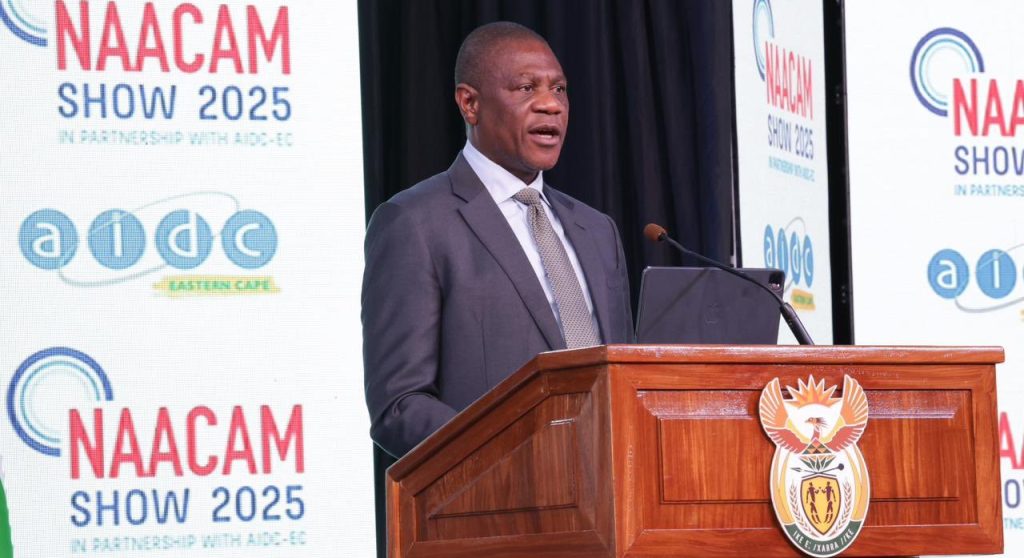
By Mandla Mpangase The automotive industry holds significant potential for shared prosperity through targeted industrial development, according to South Africa’s Deputy President Paul Mashatile. He was delivering the keynote address on 14 August 2025 at this year’s Naacam Show, currently taking place in Gqeberha, in the Eastern Cape. The automotive sector is one of South Africa’s most strategically important and internationally linked industries, accounting for 22.6% of manufacturing output and 5.2% of the country’s gross domestic product. Although the sector is a success story of industrial policy, it is important to increase employment in the sector. Currently, 115 000 people are employed in the sector, with more than 80 000 of those working in component manufacturing. The deputy president noted that the industry is export-oriented, globally competitive, and plays a vital role in regional and national industrial development. In 2024, the component sector exported R62.5 billion of components. “We must never allow the loss of these gains because of external and internal pressures. I say this with concern because the employment levels in the sector have been under strain due to ongoing economic pressures and reduced production volumes.” Naacam, the National Association of Automotive Component and Allied Manufacturers, recorded 12 company closures over the past two years, affecting the livelihoods of 4 000 individuals. “What is of more concern are the recently released figures by Statistics South Africa showing that the country’s unemployment rate has climbed to 33.2% in the second quarter of 2025, an increase from 32.9% in the previous quarter,” Mashatile said. “This latest figure is a clear indication that the nation’s unemployment crisis remains an urgent concern.” More effort is needed to combat unemployment, including improving education and skills to match labour market demands, promoting entrepreneurship and small enterprises, and investing in public employment programmes to generate jobs. TASEZ is currently attending Naacam to share knowledge and monitor the latest developments and trends in the sector. The deputy president noted that the government supports the automotive industry through a combination of investment incentives, improved policy frameworks, and infrastructure development, including: Guiding the sector is the South African Automotive Master Plan 2035 (SAAM), which aims to build a globally competitive and transformed industry. SAAM goals include growing vehicle production to 1% of global output (1.4 million vehicles), increasing local content to 60%, doubling employment to 224,000 employees, and deepening transformation and value addition, with 25% Black-owned involvement at the Tier 2 and Tier 3 component manufacturer level. The Automotive Production Development Programme Phase 2 is the policy programme intended to support and enable the realisation of the objectives of SAAM. “We recognise the industry’s significant role and see it as the backbone of our economic growth, promoting industrial development and encouraging innovation,” Mashatile said. “I am of the view that by increasing investment in research and development, we can use the power of technology to improve efficiency and sustainability, ensuring that our products and services stay competitive in the global market.” New opportunities for growth could be unlocked through nurturing a culture of collaboration and partnership among manufacturers, suppliers, and stakeholders, he added. Support for the African Continental Free Trade Area “This sector, not just in South Africa but in Africa as a whole, has emerged as a critical area of investment, providing substantial prospects for growth and development.” In this context, it was important to acknowledge the significance of the African Continental Free Trade Area (AfCFTA) agreement on economic integration and industrialisation, which is projected to draw additional international investment into the African automotive industry. “The agreement has the potential to significantly boost the automotive industry across the continent by reducing trade barriers, fostering regional value chains, and harmonising regulations. This could lead to increased production, lower costs for consumers, and a more competitive market.” The implementation of the agreement has the potential to lessen the dependency of African countries on developing countries for automotive components and completed vehicles by promoting regional value chains and increasing local production. “Creating a single continental market for goods and services could potentially lead to increased trade, investment, and job creation within Africa.” However, Mashatile added that this does not suggest that South Africa does not need other nations as trading partners. “We believe in diversifying our investments and engaging in trade with several partners.”  Mashatile explained that the Cabinet has adopted a new trade proposal to the United States that aims not just to settle the 30% tariff but also has ramifications for over 130 other trading partners who may reroute products into the South African market. “I must highlight that there will be repercussions felt throughout the entire value chain if we do not reach an amicable trade agreement with the White House. “It is probable that South African suppliers who provide support to domestic original equipment manufacturers that export automobiles or integrated systems to the United States would experience volume cutbacks. This will put pressure on production planning, employment decisions, and investment choices.” The tariffs threaten to disrupt well-established trade flows and weaken the global competitiveness of South Africa’s automotive manufacturing ecosystem. “However, South Africa remains resilient and steadfast in its efforts to grow and protect our economy. We will continue engaging with the USA to identify practical solutions.” Attracting significant investment and driving innovation could strengthen South Africa’s manufacturing capabilities and global competitiveness. Proactive transformation of the sector “We can increase localisation with existing and potential new original equipment manufacturer entrants to market, achieving a 5% growth in South Africa’s localisation rate, potentially resulting in R30-billion in new local procurement.” In addition, research has indicated that South Africa is well positioned to localise high-value new energy vehicle components, including fuel cells, thermal management systems, e-axle and high-voltage battery mineral beneficiation and assembly. “At the heart of our vision for the automotive industry is a commitment to shared prosperity. We believe that sustainable development must benefit all members of society, empowering individuals and communities to thrive and succeed.”

Manufacturing has the potential to transform the economy and create jobs

By Mandla Mpangase Expanding manufacturing is not merely a desirable goal for Africa; it is an essential foundation on which the continent’s economic transformation, job creation, and long-term prosperity depend. This strong message was shared by Gauteng MEC for Economic Development, Lebogang Maile, at the Manufacturing Indaba 2025, taking place at the Sandton Convention Centre in Johannesburg. “This year’s gathering takes place under complex global economic and political realities where the African continent, and the entire global south, must re-think its place in the geo-political landscape,” the MEC said. “Re-thinking our place in this landscape also necessitates that we re-think how we are managing our economies and trade relationships,” Maile said, adding: “It is becoming increasingly evident that the future of our continent lies in our ability to strengthen collaborations.” The message resonates strongly with the Tshwane Automotive Special Economic Zone (TASEZ), which has set out on a mission to be a catalyst for employment, transformation, and socio-economic development and industry growth by being a node attracting automotive suppliers and automotive manufacturers, assemblers and supporting services. The MEC noted that agriculture and raw material exports had long been the backbone of African economies; the future lies in a sector that has fuelled the rise of every modern economy: manufacturing. “The expansion of manufacturing is not merely a desirable goal for the continent. It is an essential foundation upon which Africa’s economic transformation, job creation, and long-term prosperity depend.” The manufacturing sector’s ability to absorb large numbers of workers, foster innovation, and build complex value chains, makes it a critical pillar for sustainable development, Maile added. The South African Automotive Master Plan Something that is important to the TASEZ efforts to support the South African Automotive Master Plan 2035, is that of localisation and by extension, beneficiation of materials that are mined in the country. The master plan sets out several priorities to deliver on its vision of creating “a globally competitive and transformed industry that actively contributes to the sustainable development of South Africa’s productive economy, creating prosperity for industry stakeholders and broader society”. Included in the priorities is increasing local content used in manufacturing by 60% by 2035 – critical to this is the ability to beneficiate local minerals for use in manufacturing. As Maile noted, “Exporting raw materials without adding value reinforces economic dependence on foreign nations that process and manufacture these materials for profit.” Manufacturing offers an opportunity to move up the value chain, diversify economies, and reduce dependence on volatile international markets. “The continent’s demographic dividend could be the most important instrument in defining the future of the manufacturing sector.” Manufacturing is also uniquely placed to provide the scale and diversity of jobs required for Africa’s youth – Africa has a young population that is growing. It is expected that the continent’s population will double by 2050 to reach 2.5 billion people, with the majority being under the age of 25. “Manufacturing can offer employment across a spectrum of skill levels, from low-skilled assembly to high-skilled engineering. Moreover, manufacturing jobs tend to offer higher wages, better job security, and more opportunities for advancement compared to informal and even agricultural work.” Adding value – and jobs Value addition not only increases export revenues but also fosters the development of supporting industries such as packaging, transportation, marketing, and financial services. These interlinked sectors create a multiplier effect, generating jobs and boosting incomes across the economy. “In the Gauteng Province, we see the value of our investment in the manufacturing sector,” Maile said. It is the largest sector in the provincial economy, employing more than 500 000 people, and is also the biggest in South Africa, contributing more than 33% to the gross domestic product. Manufacturing is also a powerful conduit for technology transfer. “As African firms engage in manufacturing, they gain access to new machinery, production processes, and management techniques.” Partnerships with foreign firms and integration into global value chains further accelerate the transfer of knowledge and skills. At the moment, Africa’s share of global manufacturing output remains less than 2%. “But the continent’s potential is enormous,” Maile said. The African Continental Free Trade Area, which seeks to create a single market of over a billion people, offers an unprecedented opportunity for manufacturers to achieve economies of scale, access new markets, and increase competitiveness. “With the right policies, African manufacturers can integrate into global value chains, supplying not only regional markets but also Europe, Asia, and the Americas.” Despite its promise, the development of manufacturing in Africa faces significant hurdles, including inadequate infrastructure, unreliable energy supplies, limited access to finance, bureaucratic red tape, and skills gaps. “Addressing these challenges requires coordinated action by governments, the private sector, and international partners.” Key is investing in infrastructure. Reliable roads, ports, energy, and digital networks are essential for competitive manufacturing. “We must also prioritise improving the business environment. Streamlined regulations and transparent governance attract investment and foster entrepreneurship.” Skills are needed Another message from Maile hit home for TASEZ: making the building of human capital a key priority. TASEZ has launched its training academy to provide business-related skills to small, medium, and micro enterprises (SMMEs) as well as technical skills to workers who will be dealing with a changed automotive manufacturing sector that is focused on new energy vehicles. “Education and vocational training tailored to industry needs will ensure a skilled and adaptable workforce,” Maile told the Manufacturing Indaba. In addition, regional integration is one of the most critical priorities if the continent is to realise its manufacturing potential. “Strengthening trade ties and harmonising regulations across borders is crucial,” the MEC said. “Regional integration significantly boosts manufacturing economic development by expanding markets, fostering specialisation, and promoting innovation and efficiency. It allows countries to overcome limitations of smaller domestic markets, creating larger customer bases and facilitating economies of scale in manufacturing.” Integration also encourages specialisation within regional value chains, leading to increased efficiency and competitiveness. In his conclusion, the MEC reminded the audience: “The choices made today will determine whether the

TASEZ launched Phase 2 ahead of hosting SOPA 2025

By Mandla Mpangase Africa’s first automotive city, the Tshwane Automotive Special Economic Zone (TASEZ) marked a significant milestone with a sod-turning ceremony, unveiling Phase 2 of its development, prior to hosting the 2025 State of the Province Address. This event, held on 23 February 2025, underscored TASEZ’s role in Gauteng’s economic growth and job creation strategy. On a small, cleared patch of land, three yellow earth-moving excavators raised their buckets in salute at the arrival of Gauteng Premier Panyaza Lesufi. The premier joined the shareholders and executives of TASEZ to ceremonially turn the soil to signify the start of development. Lesufi was joined by the TASEZ chairperson Lionel October, and CEO Dr Bheka Zulu. Others in attendance at the event included: TASEZ board members Susan Mangole and Vuyo Zitumane; the CFO Rebecca Hlabatau; the Speaker of the Gauteng Provincial Legislature Morakane Mosupyoe along with the Deputy Speaker Nomvuyo Mhlakaza-Manamela; Gauteng Provincial Legislature Chair of Chairs Rev Dulton Adams; the City of Tshwane’s Deputy Mayor Eugene Modise; President of the Ford Motor Company of Southern Africa Neale Hill; and Ford’s Corporate Transformation Manager for South Africa Esther Buthelezi. The small gathering belied the significance of the moment: the youngest of South Africa’s special economic zones was growing up. Zitumane told the gathering that Phase 2 of TASEZ is set to attract R6.1-billion in private sector investment, a crucial injection into the province’s economy, and will create more than 6 000 jobs in construction and permanent employment. In addition, like in Phase 1, Phase 2 will see an investment by TASEZ into small, medium and micro enterprises of R1.1-billion. Most importantly, Phase 2 also sees the creation of a centre of excellence for the automotive manufacturing sector, with the TASEZ Training Academy providing skills for the future, including for the emergence of new energy vehicles. Lesufi emphasised the transformative impact of these developments: “This is real economic transformation in action, where factories rise, businesses grow, and communities thrive.” TASEZ is solidifying its position as a key driver of Gauteng’s economic vision. The zone’s focus on automotive manufacturing and innovation aligns with the province’s broader strategy to boost economic growth and address unemployment. With Phase 2 underway, TASEZ is poised to further enhance its contributions to the city’s, the province’s and the country’s economy, solidifying its status as a vital economic hub.