Tasez

infrastructure

Building an integrated, productive and prosperous southern Africa

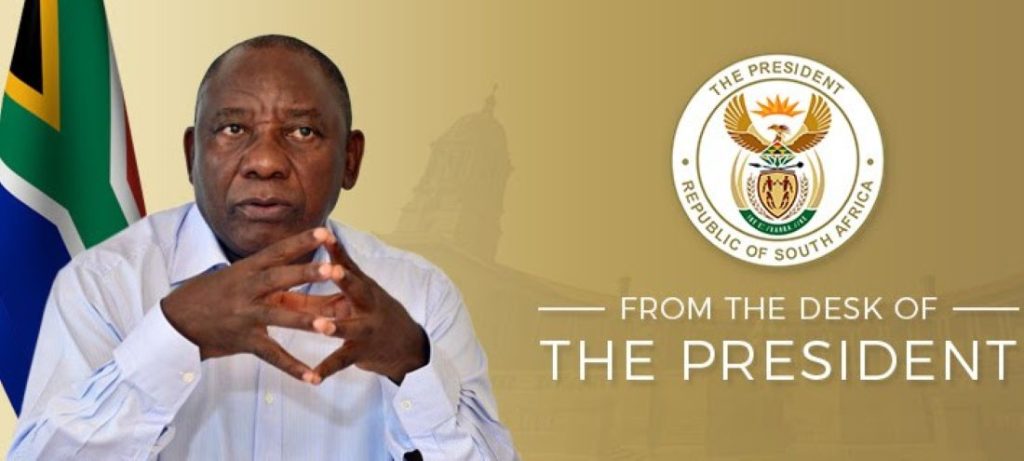
In his latest weekly letter, From the Desk of the President on 17 August 2026, President Cyril Ramaphosa talks about the importance of turning the southern African region into one that creates jobs, grows industries, develops infrastructure and improves lives. This week, South Africa has the honour, as the incoming chair, of hosting the 46th Summit of the Southern African Development Community (SADC) in eThekwini. As it starts its SADC chairship, South Africa’s focus is on the practical steps needed to further integrate the economies of SADC and build a dynamic regional market. This is becoming increasingly important in the context of growing turbulence in the global economy. Conflicts in faraway places are causing great disruption to trade, raising the prices of fuel, grain and fertiliser, and reducing the prospects for growth. It is precisely at such a moment that we should be clear about what SADC means for South Africans. Our membership of SADC is not just a matter of foreign policy. It is about the creation of jobs and improving the quality of life of South Africans. It is about the growth of our industries, the development of our infrastructure and the health and well-being of our people. As a community of 16 countries with a combined population of nearly 400 million people, SADC has abundant natural resources, a youthful population and the means to produce everything that its people need. Yet, trade among SADC countries only stands at around 20% of our combined total trade. Collectively, Southern Africa has abundant energy resources, minerals and land. We have skills, technology, industrial capabilities and strong financial institutions. Yet, we still import much of the goods and services we need from beyond our shores.  For example, our region holds much of the world’s critical minerals, yet we export the ore and import the battery. We are supplying an industrial revolution taking place elsewhere and buying back its products at a price set by others. That is why we need a dynamic common market in which we trade with each other. No country in this region can, on its own, build an integrated power system, develop cross-border corridors, manage shared water resources or withstand the full force of climate change. We need to link our economies through corridors of goods, services and industry. We are developing the Maputo, North-South, Trans-Kalahari, Beira and Lobito corridors, but we need to do more so that they become living arteries of commerce, carrying freight, electricity, data and people.  We have the Southern African Power Pool, which means that electricity generated in one country powers businesses and lights homes in another. Our task now is to widen that pool to ensure that all parts of Southern Africa have a reliable supply of affordable energy.  We must similarly develop our shared water resources so that every country has the water it needs to supply its industries and its people in a sustainable manner. We need to remove the costs that we have imposed on ourselves, from reducing the price of phone calls and money transfers to reducing waiting times at our borders and harmonising customs procedures.  Our ambition must not be limited to more trade with each other. We must produce goods and services together. We must assemble cars in one SADC country from parts manufactured in another, using materials produced in a third.  While we need to invest in infrastructure and industry, our region’s most precious asset is our people. More than half of SADC’s population is under the age of 30. To realise this demographic dividend, we must ensure that every young person is given the best foundation for success in life.  As a region, we should work together to ensure that every child has sufficient food and water, that they have quality health care and can access early childhood development. To realise their potential, we need to invest in our schools, universities, technical and vocational colleges and research institutions.  These are some of the actions that this Summit will consider as we work to achieve SADC’s Vision 2050 for an integrated, productive and prosperous region.  As South Africa takes up the chairship of SADC, we do so in the knowledge that our own prosperity is bound up with that of our neighbours. It is now up to all of us to turn this aspiration into a reality, and to turn the enormous potential that our region has into growth, development and jobs.
World Bank study backs SA’s Special Economic Zone model as TASEZ emerges as flagship of industrial growth

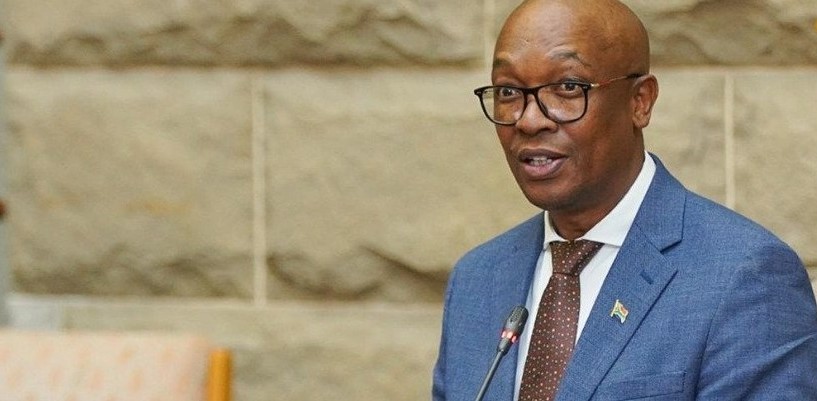
By Mandla Mpangase South Africa’s Special Economic Zone (SEZ) programme has received a significant vote of confidence from the World Bank, with a new study concluding that the country possesses the infrastructure, legal framework and institutional capacity required to build one of the world’s leading SEZ programmes. The findings have been welcomed by the Minister of Trade, Industry and Competition, Parks Tau, who said the report affirms the government’s long-term industrialisation strategy and provides a roadmap for strengthening the country’s network of Special Economic Zones. The World Bank study found that South Africa’s SEZ programme has a solid policy and governance foundation but identified opportunities to improve coordination, increase investment attraction, deepen supplier development and strengthen monitoring and evaluation systems. It also recommended greater collaboration between national, provincial and municipal governments to maximise the economic impact of the zones. Speaking after receiving the report, Tau said the government was encouraged by the findings, noting that South Africa had laid the foundations for a globally competitive SEZ ecosystem. “The study has found that South Africa has the infrastructure, legal framework and institutional capacity to build a leading Special Economic Zone programme,” Tau said, adding that the recommendations would assist the government in refining policy and improving implementation. The minister described the country’s SEZ programme as one of the government’s most important industrial policy tools for attracting investment, expanding manufacturing capacity, creating employment and increasing exports. He said the World Bank’s recommendations align with the government’s broader objective of accelerating industrialisation and building regional value chains. TASEZ illustrates the model in practice Among South Africa’s SEZs, the Tshwane Automotive Special Economic Zone (TASEZ) has become one of the clearest examples of what the World Bank’s findings seek to encourage. Established adjacent to Ford South Africa’s Silverton Assembly Plant in Pretoria, TASEZ has evolved into one of the country’s largest automotive manufacturing hubs and has become central to South Africa’s automotive export strategy. The zone has already demonstrated the economic impact that well-planned industrial infrastructure can deliver. Phase One of TASEZ contributed approximately 1% to South Africa’s GDP during its construction phase, while creating more than 6 000 construction jobs. Since becoming operational, the zone has generated more than 3 400 permanent direct jobs, with thousands more supported across supplier industries and logistics value chains. The development has also channelled more than R1.7-billion in procurement opportunities to South African small businesses while helping local manufacturers integrate into global automotive supply chains. TASEZ is home to numerous component manufacturers supplying Ford’s expanded production programme and is expected to play an even larger role as South Africa transitions towards new energy vehicles and higher levels of local component manufacturing under the South African Automotive Masterplan 2035. Its dedicated Training Academy, developed in partnership with technical colleges and universities, is also addressing one of the challenges identified in the World Bank study—building the skilled workforce required to support advanced manufacturing and industrial growth. Industrial policy delivering measurable results The World Bank’s findings arrive as South Africa’s SEZ programme continues to expand. According to the Department of Trade, Industry and Competition, the country’s network of Special Economic Zones has attracted hundreds of operational investments worth more than R31-billion while supporting tens of thousands of jobs across manufacturing, logistics, agro-processing and technology industries. For South Africa, the report reinforces the importance of maintaining industrial infrastructure capable of competing internationally for investment while supporting domestic manufacturing capabilities. For TASEZ, the findings provide further evidence that the zone represents more than a successful automotive project – it has become a practical demonstration of how modern Special Economic Zones can drive industrialisation, attract global manufacturers, strengthen local supply chains and contribute meaningfully to national economic growth. As the government considers the World Bank’s recommendations, TASEZ is likely to remain one of the benchmark projects that inform the next phase of South Africa’s industrial development strategy.

TASEZ to showcase automotive industrialisation at international SEZ conference

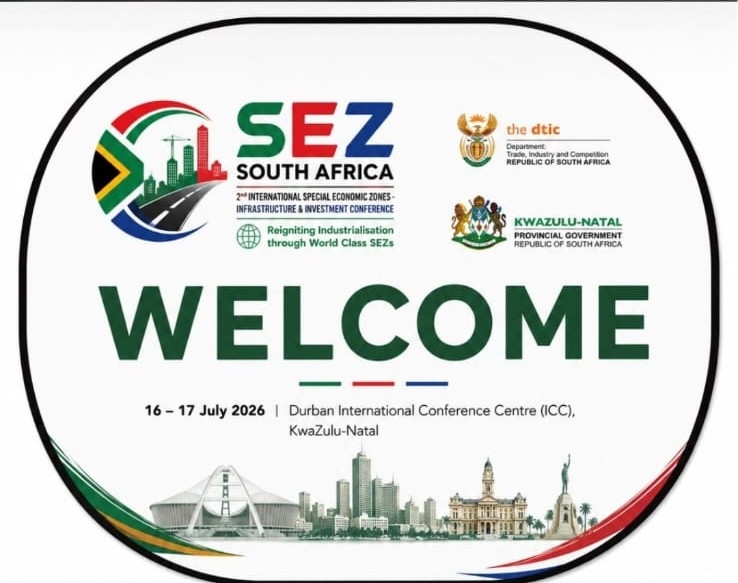
By Mandla Mpangase The Tshwane Automotive Special Economic Zone (TASEZ) will join other Special Economic Zones, policymakers, investors and industry leaders from across South Africa, the Southern African Development Community (SADC) and beyond at the 2nd International Special Economic Zones Infrastructure and Investment Conference in Durban on 16 and 17 July 2026. Hosted by the Department of Trade, Industry and Competition (the dtic) in partnership with the KwaZulu-Natal Department of Economic Development, Tourism and Environmental Affairs, the conference will be held under the theme “Reigniting Industrialisation through World-class Special Economic Zones”. The flagship event is expected to attract more than 1 000 delegates and will focus on strengthening investment, advancing industrialisation and promoting collaboration between government and the private sector. Discussions will also explore the role of Special Economic Zones (SEZs) in supporting regional integration through the African Continental Free Trade Area (AfCFTA) and South Africa’s broader industrial development agenda. TASEZ acting CEO Andile Sangweni said the conference provides an important opportunity to demonstrate how South Africa’s SEZs are contributing to inclusive economic growth. “This conference brings together the leading voices shaping the future of industrial development on the continent. “For TASEZ, it is an opportunity to showcase the impact of our automotive-focused model, exchange best practices with our peers, strengthen partnerships and contribute to the national conversation on how world-class SEZs can accelerate investment, localisation, skills development and sustainable job creation,” Sangweni said. It will also be an opportunity to learn from others and understand the latest global trends in industrialisation and economic development. The conference will also feature a two-day exhibition where companies operating within South Africa’s SEZs will showcase their products and capabilities, while the SEZ Achievement Awards Gala Dinner will recognise excellence and innovation across the country’s SEZ programme. According to the dtic, the conference will reinforce the role of SEZs as a key industrial policy instrument to attract investment, build world-class infrastructure, boost exports and create sustainable employment opportunities.

Ramokgopa visits TASEZ as Gauteng pushes industrial growth and investment

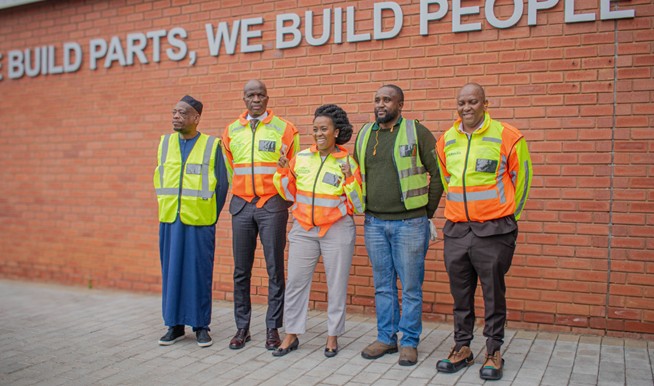
By Mandla Mpangase Gauteng MEC for Economic Development, Agriculture and Rural Development Vuyiswa Ramokgopa visited the Tshwane Automotive Special Economic Zone (TASEZ) on Thursday, 21 May 2026 where she received a comprehensive briefing on the zone’s growth plans and toured one of its key manufacturing facilities supporting the automotive sector. The visit formed part of the Gauteng provincial government’s ongoing efforts to strengthen industrial development, attract investment and create jobs through strategic manufacturing infrastructure projects. Ramokgopa was briefed on the progress and future outlook of the TASEZ project by the organisation’s Executive for Business Development, Msokoli Ntombana. The presentation focused on the economic impact of the special economic zone, ongoing infrastructure development and plans for Phase 2 expansion. Ntombana outlined how the next phase of development is expected to further expand manufacturing capacity within the zone, strengthen supplier networks and unlock additional investment opportunities linked to the automotive industry. The MEC was also taken on a guided tour of the Thai Summit factory, one of the major component manufacturers operating within the special economic zone. The facility supplies automotive metal forming products, interior and exterior finishes, as well as various vehicle components to the nearby Ford manufacturing plant in Silverton. During the tour, Ramokgopa engaged with management and officials on production processes, industrial innovation and the role of automotive component manufacturing in supporting Gauteng’s broader economic growth objectives. The visit highlighted the strategic importance of TASEZ in positioning Gauteng as a leading automotive manufacturing hub on the continent, while also supporting localisation, export growth and employment creation. TASEZ has become a central pillar of South Africa’s automotive value chain, with multiple component manufacturers operating alongside Ford’s production facilities in Tshwane. The special economic zone continues to attract both local and international investors seeking to participate in South Africa’s growing automotive and advanced manufacturing sectors. The Gauteng government has identified industrialisation and infrastructure-led growth as key priorities in addressing unemployment and rebuilding economic momentum in the province.

Ramaphosa hails record investment pledges as South Africa ‘turns a corner’

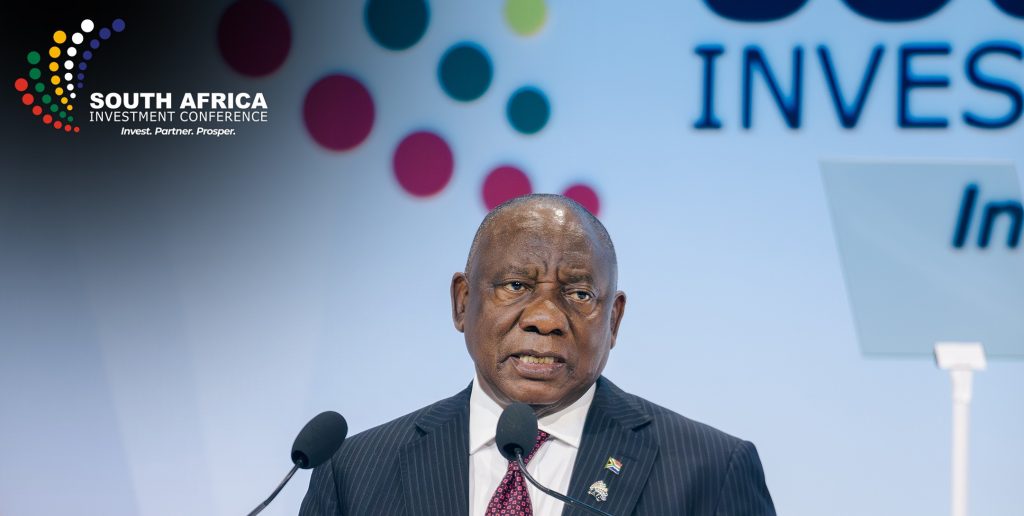
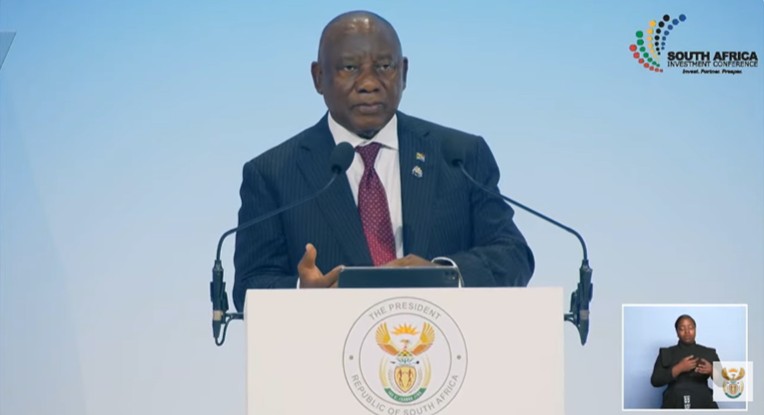
By Mandla Mpangase President Cyril Ramaphosa has declared that South Africa is entering a “new phase of growth”, following record-breaking investment commitments announced at the 2026 South Africa Investment Conference (SAIC) held at the Sandton Convention Centre in Johannesburg. Delivering his closing remarks to delegates, investors, and business leaders, Ramaphosa said the scale and scope of pledges made at this year’s conference provide compelling evidence that confidence in the country’s economy is strengthening. The conference marked the launch of a second investment mobilisation drive, targeting R2-trillion in new investments between 2026 and 2030. This builds on the success of the first drive, which exceeded its R1-trillion target. A total of R889.8-billion was pledged during the day-long conference on 31 March 2026. “The cumulative value of the pledges made at this conference is the highest we have achieved since the first South Africa Investment Conference,” he said, noting that the number of projects announced had also reached a new peak. A notable feature of this year’s commitments is the strong showing from domestic investors, which Ramaphosa said reflects growing confidence within South Africa’s own business community. At the same time, foreign direct investment has “increased phenomenally”, supported by participation from international firms and development finance institutions. The investments span all nine provinces and cut across key sectors including energy, mining, manufacturing, infrastructure and global business services. Among the headline commitments, Toyota will invest R10.4-billion in KwaZulu-Natal to support the automotive sector’s transition to cleaner energy. Sasol has pledged R60-billion for plant upgrades and new technologies in Mpumalanga and the Free State. At the same time, Valterra Platinum will expand mining operations in Limpopo to supply critical minerals for future-facing industries. Infrastructure and energy also feature prominently. South32 is investing R3.9-billion in rail upgrades linked to manganese mining in the Northern Cape and KwaZulu-Natal, while black-owned manufacturer Actom will inject R250-million into equipment to support electricity grid expansion. In the services sector, Teleperformance will invest R145-million in the Eastern and Western Cape, creating 2,600 jobs, while renewable energy company Mulilo has committed R14.8-billion to projects across multiple provinces. Ramaphosa emphasised that these commitments align with the government’s broader push to scale up infrastructure spending, describing it as the “largest infrastructure investment intervention” in South Africa’s history. Despite the positive momentum, the President acknowledged that significant work remains. Fixed investment currently stands at around 15% of GDP, and the country must double this level over time to achieve sustained economic growth. “There is a gap between improved sentiment on one hand, and greater capital deployment that translates to strong growth and jobs on the other,” he said. Central to closing that gap is the government’s structural reform agenda, which Ramaphosa described as “irreversible”. The reforms, coupled with a robust regulatory framework and adherence to the rule of law, are aimed at providing certainty and predictability for investors. He also highlighted the importance of South Africa’s constitutional democracy, noting that the rule of law underpins economic development, protects rights, and ensures accountable governance. Ramaphosa credited the private sector as a key partner in the country’s economic recovery, pointing to longstanding collaboration between business and government since 2019. Initiatives such as the Youth Employment Service have created more than 200 000 work opportunities, while joint efforts during the Covid-19 pandemic and the Economic Reconstruction and Recovery Plan helped stabilise the economy. The evolving Government Business Partnership, now in its third phase, is focused on improving logistics, securing energy supply, and tackling crime and corruption – issues that remain critical to investor confidence. On this front, Ramaphosa outlined a series of interventions to strengthen the criminal justice system, including the establishment of a new reform initiative targeting organised crime, corruption, the illicit economy, and illegal firearms. He also confirmed that new regulations under the Public Procurement Act will be finalised soon to combat corruption in state procurement. Reflecting on the past decade, Ramaphosa said South Africa has made significant progress since the era of state capture and economic stagnation. “Today, the green shoots of renewal are emerging. We have turned a corner, and confidence in our economic trajectory is rising,” he said. He urged delegates to convert pledges into tangible projects and long-term partnerships that drive inclusive growth and job creation. “You are not merely investing in an economy,” he said. “You are investing in a nation determined to grow, transform, and succeed.”

South Africa sets the stage for broad-based, investment-led growth

By Mandla Mpangase South Africa is entering a new phase in its economic trajectory, with President Cyril Ramaphosa positioning the country as a reform-driven, investment-ready destination focused on inclusive and sustainable growth. Addressing more than 1 000 delegates from over 50 countries at the sixth South Africa Investment Conference on 31 March 2026, Ramaphosa made it clear that the government’s priority is not only to attract capital, but to ensure investment translates into tangible, broad-based benefits. “We are creating the conditions for investment-led growth that is broad-based, inclusive, and durable,” he said. “Investment conferences such as this are an opportunity for us to showcase the attractiveness of investment opportunities in our country to domestic and international investors. By connecting investors with local opportunities, we are able to attract foreign direct investment (FDI). They also facilitate strong partnerships by bringing together governments, business, banks, and development finance institutions.” Gauteng, the country’s economic hub, provided a fitting backdrop. As the largest contributor to national GDP, the province remains central to South Africa’s investment proposition. South Africa’s post-1994 journey has been marked by resilience. The country has navigated global and domestic shocks, from the financial crisis to state capture and the COVID-19 pandemic, while maintaining institutional stability. Now, that resilience is being translated into growth. Under the Government of National Unity formed after the 2024 elections, the economy has recorded four consecutive quarters of expansion into early 2026, alongside stabilising inflation and improved investor sentiment. However, Ramaphosa stressed that credibility must be backed by delivery. “We know that investors reward execution, not just commitment,” he said, highlighting a shift toward measurable reform outcomes. Central to this effort is Operation Vulindlela, a joint initiative between the Presidency and National Treasury aimed at removing structural constraints to growth. Its focus is on reducing the cost and complexity of doing business across key sectors, including energy, logistics, water, and visas. Nowhere has reform been more consequential than in the energy sector. Following years of load shedding, the government has restructured the electricity market, unbundled Eskom, and opened the grid to private investment. The result is a rapidly expanding pipeline of renewable energy projects and improved energy security. Through these interventions, Ramaphosa said, “we have brought an end to load shedding and ensured a reliable supply of electricity”, a critical milestone for restoring investor confidence. Energy reform also underpins South Africa’s broader transition to a low-carbon economy. Opportunities in green hydrogen, electric vehicle manufacturing, battery storage, and critical minerals are expected to drive future growth, while aligning with global climate commitments. With its significant reserves of platinum group metals and other resources, the country is well-positioned to play a strategic role in global clean energy value chains. Importantly, the transition is being framed as inclusive. “We have been firm that the energy transition must be just and that it should leave no one behind,” Ramaphosa said. Infrastructure investment is another cornerstone of the growth strategy. Over the next three years, the government has committed more than R1 trillion to infrastructure development across transport, energy, water, and digital systems. “Infrastructure is the flywheel that propels growth,” Ramaphosa said, noting its role in reducing costs, improving productivity, and creating jobs at scale. The approach is designed to crowd in private sector participation. Reforms in logistics are opening rail and port operations to competition, while new public-private partnership frameworks and blended finance instruments aim to de-risk investment and accelerate delivery. In the water sector, a pipeline of projects worth more than R50 billion is being prepared for private investment. Beyond infrastructure, the government is emphasising inclusion. Investment projects are expected to incorporate local content, skills development, and community benefits, ensuring that growth is shared more widely. At the same time, South Africa’s empowerment framework is being refined to balance transformation with investment attraction. Mechanisms such as the Equity Equivalent Investment Programme allow multinational firms to contribute to development without altering ownership structures. “Our overriding objective is to support firms with compliance, and to embrace empowerment as a meaningful investment in South Africa’s long-term economic stability,” Ramaphosa said. The conference also marked the launch of a second investment mobilisation drive, targeting R2-trillion in new investments between 2026 and 2030. This builds on the success of the first drive, which exceeded its R1-trillion target. The new phase begins with a strong pipeline of 81 projects worth nearly R890-billion, expected to create more than 230 000 jobs. “This is not ambition for its own sake,” Ramaphosa said. “It is the arithmetic of what South Africa requires to achieve meaningful unemployment reduction and industrialise at scale.” As global uncertainty reshapes capital flows, South Africa is positioning itself as a stable, reform-oriented destination. While Africa continues to attract a relatively small share of global foreign direct investment, the country remains a leading recipient on the continent. “We are meeting at a time of uncertainty for the global economy. Geopolitical fragmentation, supply chain disruptions from conflicts and wars, and trade tensions are radically impacting global capital flows,” Ramaphosa noted. “In such conditions, South Africa presents a favourable proposition as a resilient, credible and reform-oriented investment destination with strong fundamentals.” Ultimately, the success of this strategy will depend on sustained implementation. “This is only the start of an era of new growth and dynamism for South Africa’s economy,” Ramaphosa said. The task now is to convert investment commitments into real projects and ensure those projects deliver lasting, inclusive growth.

South Africa’s SEZs under spotlight as leaders push for greater industrial impact

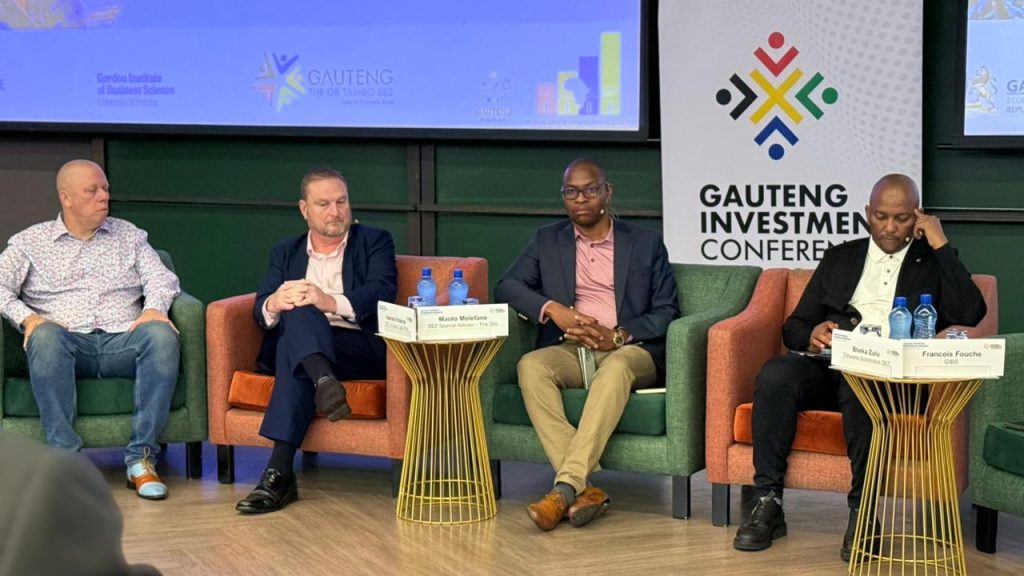
By Mandla Mpangase Government and industry leaders have called for a fundamental shift in how South Africa’s Special Economic Zones (SEZs) deliver value, arguing that stronger integration with spatial planning and industrial policy is key to unlocking growth. This emerged at a breakfast session hosted at the Gordon Institute of Business Science (GIBS) in Illovo, Johannesburg, on Friday, 20 March 2026, forming part of the roadshow to the 2026 Gauteng Investment Conference. Opening the session, Gauteng Growth and Development Agency (GGDA) acting CEO Sithembiso Dlamini outlined the province’s strategy to position SEZs as anchors of development corridors, driving infrastructure investment and manufacturing-led growth. She highlighted recent progress in Gauteng’s SEZ programme, stressing its role in catalysing regional economic activity. A central theme of the discussion was how to close the “value-for-money” gap in SEZ investments. Trade expert Donald MacKay presented findings from a comparative study of global and local SEZ performance, noting that while South Africa has made progress, structural and policy shortcomings continue to limit impact. He pointed to the need for targeted reforms to improve efficiency, attract investment, and boost export competitiveness. From a policy perspective, Maoto Molefane, the special advisor to the Minister of Trade, Industry, and Competition and chairperson of the Tshwane Automotive Special Economic Zone (TASEZ), outlined the government’s new Spatial Industrial Development Strategy. He acknowledged limitations in the current SEZ model, including fragmentation and uneven returns, and said the new approach aims to better align industrial spending with national development goals. “The focus is on ensuring that every rand invested delivers measurable industrial outcomes,” Molefane said. Insights from operational SEZs reinforced the importance of execution and partnerships. Dube TradePort CEO Hamish Erskine reflected on the evolution of the KwaZulu-Natal-based SEZ, highlighting the role of logistics integration, infrastructure planning, and strong governance in its success. He said the model demonstrates how SEZs can drive broader regional development, including job creation and small business growth. Meanwhile, TASEZ CEO Dr Bheka Zulu emphasised the importance of sector-focused development, noting that strategic partnerships – particularly with major investors such as Ford – have been central to its rapid growth. Zulu also pointed to the need for SEZs to adapt to global shifts, including the rise of new energy vehicles, as part of their future positioning. The session concluded with consensus that South Africa’s SEZ programme must evolve beyond isolated zones into fully integrated industrial ecosystems, capable of delivering sustained economic impact, increased exports and long-term investment attraction. The discussion forms part of ongoing engagements ahead of the Gauteng Investment Conference scheduled for 9 April 2026, where infrastructure, manufacturing and industrial policy are expected to take centre stage.

Gauteng Budget 2026 prioritises infrastructure, investment and industrial growth to drive job creation

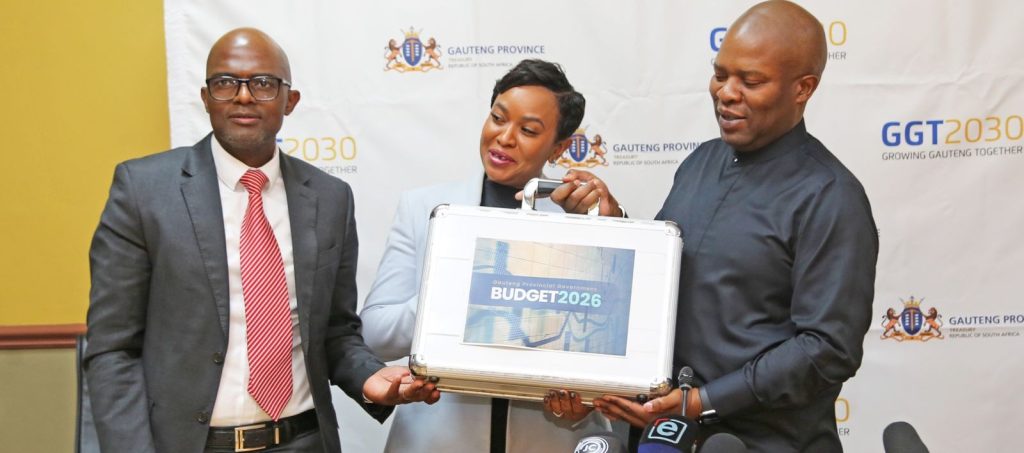
By Mandla Mpangase The Gauteng Provincial Government has tabled a R549.3-billion medium-term budget aimed at accelerating infrastructure development, attracting investment and strengthening manufacturing to stimulate economic growth and job creation across the province. Presenting the 2026/27 budget in the Gauteng Legislature, MEC for Economic Development and Finance, Lebogang Maile, said the province is prioritising infrastructure expansion, industrial development and investment facilitation as key drivers of inclusive growth. The budget theme, “The audacity of hope: A collective commitment to building a resilient Gauteng,” reflects the province’s strategy to rebuild economic momentum while addressing unemployment, infrastructure backlogs and service delivery challenges. Infrastructure spending to unlock growth Infrastructure investment forms a cornerstone of the provincial strategy, with R36.4-billion allocated to infrastructure programmes over the Medium-Term Expenditure Framework (MTEF). Of this amount, R22.7-billion will fund the expansion of infrastructure capacity to meet rising demand, while R13.8-billion will be directed towards maintaining and rehabilitating existing assets. Maile said infrastructure investment is critical to improving service delivery while also acting as a catalyst for economic growth and employment. “Infrastructure is the bridge between hope and visible delivery,” he said. “It supports long-term growth, improves service delivery and creates jobs.” Major allocations will focus on healthcare facilities, schools, human settlements and transport infrastructure, as well as bulk infrastructure to support economic development projects and Special Economic Zones. The province is also prioritising energy-related infrastructure projects to support municipalities and improve energy security. Special economic zones and industrial development The budget reinforces Gauteng’s re-industrialisation agenda, with funding directed towards Special Economic Zones, township industrial hubs and revitalised industrial parks. The Gauteng Growth and Development Agency and the Gauteng Enterprise Propeller will play a key role in implementing investment and industrial programmes. Funding will support: These initiatives are aimed at strengthening manufacturing capacity, boosting exports and integrating local firms into regional value chains under the African Continental Free Trade Area. Investment pipeline gaining momentum Investment attraction remains a central focus of the provincial growth strategy. Maile highlighted the success of the inaugural Gauteng Investment Conference 2025, which secured R312.5-billion in investment pledges from domestic and international investors. According to the MEC, implementation of these commitments is already underway. “Eighteen out of 60 projects are now in rollout stage, representing over R80 billion in investments entering the real economy,” Maile said. These projects include infrastructure construction, energy developments and industrial expansions expected to generate significant employment opportunities. The province aims to secure R800-billion in investment commitments by the end of the current administration, with the next Gauteng Investment Conference expected to announce additional projects. Public-private partnerships to expand infrastructure With fiscal pressures limiting government spending capacity, the province plans to expand the use of public-private partnerships (PPPs) to fund large-scale infrastructure projects. Maile cited the Gautrain as a successful example of a PPP model. The province is currently preparing to appoint a new concessionaire for the Gautrain system as the current concession agreement approaches its conclusion in March 2026. By that time, the system will become a fully paid-up state asset valued at approximately R45-billion. Beyond rail transport, PPP opportunities are being explored across sectors including water, tourism, digital infrastructure, energy and environmental services. Projects under consideration include the Gauteng Provincial Network, a provincial data centre and scholar transport infrastructure. Transport infrastructure and logistics Transport infrastructure remains another key economic priority. The Gauteng Department of Roads and Transport will receive R10.2-billion in 2026/27 to fund road upgrades, maintenance and public transport improvements. The programme includes strategic road upgrades linked to Special Economic Zones, expansion of intermodal transport hubs and the development of a single electronic ticketing system to integrate public transport across the province. Economic outlook and job creation Gauteng remains the largest contributor to the South African economy, generating more than R2.4-trillion in regional GDP, roughly one-third of the national economy. The province created over 250 000 jobs in 2025, with trade and construction among the leading sectors. Economic growth in Gauteng is projected to reach 2.1% in 2026, outperforming the national growth forecast. Maile said the province’s economic strategy is focused on converting investment commitments into real projects that generate employment. “Our focus is moving from plans to projects,” he said. “We are building an investment pipeline that translates strategy into bankable opportunities and tangible jobs.” Fiscal discipline amid constrained resources Despite its economic strength, Gauteng faces fiscal constraints due to rising service demands and obligations such as the province’s share of Gauteng e‑Toll System debt. The province has already paid R9.3 billion towards the R20 billion principal debt and must make further repayments over the medium term. Maile emphasised that fiscal discipline would remain central to the province’s approach. “We must be intentional in funding what works,” he said. “Hope must be funded, and commitment must be measured.” Building a resilient provincial economy Ultimately, the budget aims to align infrastructure investment, industrial development and investment attraction to strengthen Gauteng’s position as the economic engine of South Africa. Maile said the province’s long-term vision is to build an inclusive economy that creates jobs while improving living conditions for residents. “Our task is to restore public finances, sustain investment in infrastructure and unlock economic opportunities,” he said. “This is how we build a resilient Gauteng.”

From strategy to delivery: Gauteng’s response to the unemployment crisis

Addressing unemployment in Gauteng is about sustained, coordinated implementation that transforms growth into jobs, and jobs into dignity, stability, and hope, writes the MEC for Finance and Economic Development, Lebogang Maile. Unemployment remains one of South Africa’s most persistent and painful challenges. Nationally, the official rate eased to 31.4% in the fourth quarter of 2025 (down from 31.9% in the third quarter), according to the latest Statistics South Africa Quarterly Labour Force Survey. Yet Gauteng, the country’s economic engine, continues to grapple with a higher rate of 33.0%, with approximately 2.56 million residents unemployed, and recorded the largest provincial job losses of 54 000 in the same period. Even as the province shows a year-on-year employment increase of 102 000, these figures underscore that Gauteng is far from immune to the crisis. For years, the province has deployed a mix of supply- and demand-side interventions to tackle unemployment. While research has thoroughly documented its causes, scale, and consequences, the true measure of success is whether government action translates into real, sustained change in people’s lives. In his February 2025 State of the Province Address, Premier Panyaza Lesufi was unequivocal: unemployment ranks among Gauteng’s most urgent priorities. This challenge is intensified in 2026 by fiscal constraints, global economic uncertainty, volatile markets, and shifting geopolitical dynamics that impact investment, industrialisation, and trade. Against this backdrop, the adoption of the Gauteng City Region Economic Growth and Development Plan (2025–2030) in October 2025 marked a decisive shift toward evidence-driven, coordinated action. The plan serves as a strategic anchor for sustaining growth, enhancing competitiveness, and driving inclusive job creation. In the 2025/26 financial year, the Gauteng Department of Economic Development translated this strategy into tangible impact, placing unemployment at the heart of delivery. Interventions deliberately linked medium, small, and micro enterprise (MSME) development, investment mobilisation, tourism growth, and economic infrastructure. More than 2 300 MSMEs received non-financial support, while 2 128 accessed financial assistance worth R603-million through the Township Economic Partnership Fund, resulting in 11 833 jobs created, many in townships and local economies. These are not mere statistics; they represent restored livelihoods, strengthened community services, and more economically active neighbourhoods. Investment promotion added further momentum. The Gauteng Investment Conference secured R312.5-billion in pledges, with R61.2-billion already converted into active projects in manufacturing, logistics, and capital equipment sectors with strong employment multipliers. Tourism has complemented these efforts as a powerful absorber of labour, generating billions in direct spend and creating opportunities for youth, small businesses, and township enterprises. Looking ahead to 2026/27, the focus shifts decisively to scaling up impact. Priority infrastructure projects, action labs, township economic agencies, and MSME value-chain integration will drive labour-absorbing growth, crowd in private investment, and broaden economic participation. The message is clear: addressing unemployment in Gauteng is no longer about isolated interventions, but about sustained, coordinated implementation that transforms growth into jobs, and jobs into dignity, stability, and hope. This article was first published in the My Gauteng newsletter of February 2026.

Budget 2026 signals infrastructure push and investment drive to unlock growth

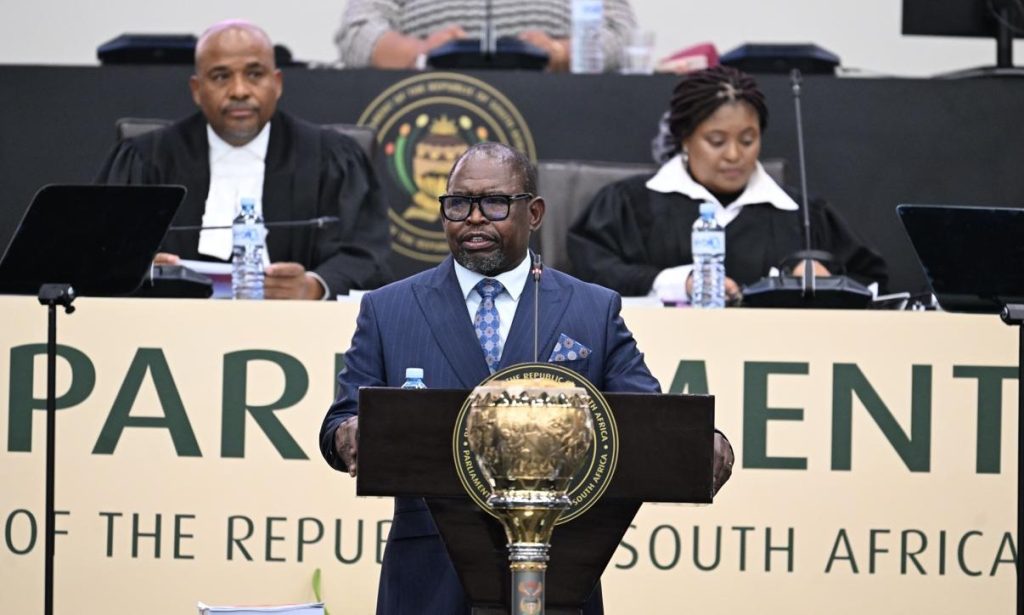
By Mandla Mpangase South Africa’s 2026 national budget has positioned infrastructure investment, structural reform and private-sector participation as the central levers to accelerate economic growth, attract investment and create jobs – priorities that align closely with the country’s industrialisation agenda and the expansion of Special Economic Zones (SEZs) such as the Tshwane Automotive Special Economic Zone (TASEZ). Delivering the budget in Parliament on 25 February 2026, Finance Minister Enoch Godongwana said the country had reached “an important turning point” in public finance management, with debt stabilising for the first time in 17 years and fiscal credibility improving following South Africa’s removal from the Financial Action Task Force (FATF) grey list and its first credit-rating upgrade in 16 years. “These are signals of restored credibility. Of renewed resilience. And of a nation regaining its footing.” These improvements, he argued, create the foundation for investment-led growth. “The lesson is a simple but powerful one: steady structural reform and responsible public finances are the bedrock of a prosperous and more inclusive South Africa,” he told Parliament. Infrastructure at the centre of growth strategy For industrial zones and manufacturing hubs, the most significant announcement is the government’s commitment to spend more than R1-trillion on public-sector infrastructure over the medium term. Transport and logistics will receive the largest share, including: These investments are critical for SEZ competitiveness, where efficient logistics, reliable utilities and modern transport connections are key determinants of investor decisions. Government is also advancing a credit guarantee vehicle (CGV) with development partners to unlock large-scale investment in electricity transmission, an intervention expected to improve energy security for industrial users. Structural reforms to unlock investment The budget reinforced ongoing reforms under Operation Vulindlela, focusing on energy market liberalisation, logistics reform and improved local government performance – all longstanding constraints on industrial expansion. Reforms to municipal utilities, including a R27.7-billion performance-linked programme for electricity, water and sanitation services in metros such as Johannesburg, are particularly relevant for industrial zones dependent on reliable municipal infrastructure. National Treasury warned that poor municipal reinvestment practices have created massive infrastructure backlogs, including a R64-billion water backlog in Johannesburg alone. For industrial investors, improved municipal governance could reduce operational risk and improve investment attractiveness in urban economic nodes. Public-private partnerships and industrial opportunity Government signalled a renewed push for public-private partnerships (PPPs), with 63 projects currently in development and new municipal public-private partnership regulations expected by June 2026. Among the most advanced projects are border post upgrades aimed at improving regional trade flows – a priority for export-oriented manufacturing located in SEZs. The Budget Facility for Infrastructure (BFI) has already approved R21.9-billion for strategic projects, including Transnet rail corridor upgrades that will restore freight capacity for bulk commodities – an important signal for industrial supply chains. Industrialisation, data infrastructure and new-economy investment The budget also highlighted data centres and artificial intelligence infrastructure as emerging strategic investment areas, with the government exploring incentives to expand South Africa’s role as a regional technology hub. For zones like TASEZ, which are seeking to attract advanced manufacturing and technology-enabled production, this focus could open opportunities for new categories of investors beyond traditional automotive manufacturing. Trade reforms linked to the African Continental Free Trade Area (AfCFTA) were also emphasised, with National Treasury easing cross-border investment rules to position South Africa as a continental financial hub. Skills reform and workforce development A major policy shift announced in the budget is the planned restructuring of the national skills system, including the introduction of a dual-training model combining theoretical learning with workplace training. This approach mirrors international vocational systems and could directly support industrial employers seeking artisans, technicians and production workers – a key workforce requirement for SEZ-based manufacturers. The government acknowledged that existing SETA (Sector Education and Training Authority) and National Skills Fund outcomes have fallen short and pledged reforms to improve labour-market readiness. Support for small businesses and suppliers Measures to support small enterprises include: For industrial zones, these policies could strengthen supplier development ecosystems by improving the sustainability of small manufacturers and service providers integrated into SEZ value chains. Growth outlook and job creation challenge Despite reform progress, economic growth remains modest, projected at 1.6% in 2026 and averaging 1.8% over the medium term, rising to 2% by 2028. “These developments are unfolding within an unprecedented global trade environment characterised by persistent geopolitical tensions and shifting trade policies which are reshaping supply chains,” the Minister said. “In response, we need to diversify our trading portfolios, secure new markets, reduce vulnerability to external shocks and position ourselves to benefit from emerging global growth centres.” While the government has acknowledged that logistics inefficiencies, infrastructure weaknesses and agricultural disruptions continue to constrain growth, infrastructure-led investment remains the most credible pathway to sustainable job creation. “Our efforts to promote faster economic growth continue to revolve around the four pillars: These pillars are the foundation upon which inclusivity is built, and how we ensure that growth is faster.” Implications for TASEZ and SEZs The budget sends several positive signals for Special Economic Zones: While SEZs were not explicitly mentioned in the Budget, the policy direction reinforces their role as catalytic platforms for industrialisation, localisation and job creation. Fiscal stability as an investment signal Debt is expected to stabilise at 78.9% of GDP in 2025/26, then decline gradually, while the budget deficit narrows to 3.1% by 2027/28. For investors, these indicators are significant. Improved fiscal credibility lowers borrowing costs, reduces macroeconomic risk and strengthens confidence in long-term investment decisions, particularly for capital-intensive manufacturing projects typically located in SEZs. A cautious but investment-focused trajectory Although the 2026 budget does not promise rapid economic expansion, it does signal a more stable policy environment and a stronger commitment to infrastructure-led growth. For industrial development initiatives like TASEZ, the combination of infrastructure spending, structural reform and skills investment provides a supportive policy framework. As Minister Godongwana concluded, inclusive growth and fiscal sustainability must move together if South Africa is to reduce unemployment and build a more competitive economy.