Tasez

Tasez

South Africa’s auto industry holds advantage in Africa, Says Minister Tau

By Mandla Mpangase South Africa’s automotive industry continues to anchor the country’s manufacturing capacity and offers a “unique competitive advantage” on the African continent, despite facing significant global and domestic headwinds. This was the message from Minister of Trade, Industry and Competition, Parks Tau, addressing delegates at South Africa Auto Week 2025, hosted by naamsa (The Automotive Business Council) in Gqeberha from 1–3 October. Tau said that while the sector has weathered one of its most challenging periods over the past nine months, it remains one of the cornerstones of South Africa’s economy. “In 2024, the industry contributed 5.2% to GDP and accounted for 22.6% of total manufacturing output. It provides nearly 500 000 formal jobs across assembly, components, retail and services, while supporting around one million livelihoods,” he told delegates. New markets and partnerships Tau highlighted fresh opportunities emerging on the continent and beyond. Following recent engagements in Saudi Arabia and Nigeria, he said South African component manufacturers could partner with counterparts in those countries to expand their footprint. “We’re prepared to allow African investors to partner with our local companies and create manufacturing capacity in those markets. It is an opportunity we must take advantage of,” Tau explained. At the same time, global OEMs operating in South Africa have committed to transitioning from semi-knockdown to complete knockdown production, deepening local manufacturing capacity. “Our duty is to work with these companies to ensure they become part of the local production base, taking advantage of South Africa’s skills and positioning the country as a platform for access to African markets,” Tau added. Transition to new energy vehicles The minister stressed that the industry is at a critical “inflection point” as global markets accelerate their shift away from fossil fuel vehicles towards new energy vehicles (NEVs). With major export destinations such as the European Union and the United Kingdom moving to ban new petrol and diesel vehicles from 2035, South Africa must adapt or risk losing market share. Already, the shift is underway: in 2024, South Africa recorded 15 600 new energy vehicle sales, representing 3% of the local market. The sector also attracted R12-billion in new investment for NEV-related manufacturing. Government has introduced measures to support this transition, including a 50% tax deduction for qualified NEV investments, partnerships with universities and research institutions, and strategies to localise production of critical inputs such as battery materials. “This is not just an industrial project,” Tau said. “It is about positioning South Africa at the heart of the global mobility revolution, not as a taker of technology, but as a maker. If we succeed, we will safeguard exports, create jobs, and place Africa at the forefront of clean mobility solutions.” Africa as an engine of growth Africa has emerged as a key market, with the continent becoming South Africa’s second-largest export destination in 2024. Vehicle exports into Africa grew by 12.4% year-on-year to R48.1-billion. The African Continental Free Trade Area (AfCFTA) is expected to further unlock opportunities, from reducing logistics costs to enabling vehicle assembly across the continent. Beyond vehicles, Tau noted, it could also drive mineral beneficiation, particularly for critical minerals such as cobalt, graphite, and lithium essential for the NEV transition. “Together, Africa can build a battery industry that reduces dependence on imports and positions the continent as a hub for clean mobility,” he said, adding that South Africa is leading the development of an African automotive hub that could align policies and attract investment. In closing, Tau emphasised that South Africa’s auto sector, with its industrial depth and mineral wealth, is uniquely positioned to lead Africa’s role in the global energy transition. “The automotive sector has been at the heart of our industrial story for more than a century. Today, it stands at a defining moment. “Its transition to new energy vehicles will define our relevance in a low-carbon world, while its integration into Africa’s free trade area positions us as leaders on the continent,” he said. “If we seize this opportunity, we will not only secure South Africa’s competitiveness but also place Africa at the forefront of the global mobility revolution.”

Auto manufacturing leaders urge action on investment

By Mandla Mpangase South Africa’s automotive sector, a key industry for the country’s economy, faces losing ground globally unless decisive action is taken to attract and retain new investment. This was the central message of a high-level panel discussion at South African Auto Week 2025 in Gqeberha from 1 October 2025. This year’s South Africa Auto Week, hosted by the Automotive Business Council (naamsa), is being held under the theme “Reimagining the future together – Cultivating inclusive growth and shared prosperity”. The panel, moderated by Financial Mail and Business Day editor-at-large David Furlonger tackled the topic “Salient ingredients to attract new investment for auto manufacturing in South Africa”. Furlonger opened the discussion with a stark reminder: while global markets are making inroads with new energy vehicles, South Africa lags behind. “We are very good at coming up with plans, but not so great at implementing them,” he warned. “Now we need action.” Policy and incentives The director of advanced manufacturing at Invest SA, an agency of the Department of Trade, Industry and Competition, Rashmee Ragaven, outlined a suite of government programmes, including the Automotive Production and Development Programme and the Automotive Investment Scheme, that have been designed to support manufacturers Ragaven stressed the importance of partnerships between government and industry, and the role of free trade agreements, skills development, and special economic zones such as the Tshwane Automotive Special Economic Zone based in Gauteng, and the Eastern Cape’s industrial development zone of Coega in anchoring investment. But Ragaven acknowledged speed is critical to bringing about any change. “The partnerships are there, but the speed of action is even more critical now than ever before.” The Eastern Cape scenario CEO of the Eastern Cape Development Corporation, Ayanda Wakaba, highlighted the vulnerability of the province’s automotive industry, long a hub for OEMs such as Mercedes-Benz and VW. “The market dynamics have shifted so much that establishing an industrial plant today is very different from before. “We must benchmark ourselves against what other countries are doing,” he said. While defending the sector remains essential, Wakaba stressed the need to diversify into new industries and leverage digital infrastructure investments in rural areas to broaden economic opportunities. A call for action For Andreas Brand, CEO of Mercedes-Benz SA, the formula is simple: action. He pointed to Mercedes-Benz’s investments in solar energy and skills development through its learning academy as proof that collaboration with the government can deliver results. “Without acting, theory never hits reality,” he said. “We need robust, constructive engagement and specific actions that all parties adhere to. That is what delivers change.” Mickey Mama, head of department at the Eastern Cape’s Department of Economic Development, Environmental Affairs and Tourism, drew comparisons with Morocco and Eastern Europe, both of which have surged ahead of South Africa in attracting investment. “Our municipalities take too long to approve applications. Morocco has a turnaround time that outpaces us completely,” Mama said, warning that red tape and a lack of policy clarity on NEVs risked pushing investment elsewhere. Chinese brands on the lookout for opportunities South Africa is also facing a wave of interest from Chinese automotive brands, but obstacles remain. Conrad Groenewald, COO of Great Wall Motors, noted that while Chinese firms are eager to invest outside of China, South Africa’s current policies make it hard to justify the return on investment. “We compete globally. South Africa is already at a disadvantage, being at the tip of Africa. We need policies that allow reasonable returns for investors,” he said. Groenewald also cautioned that rising import duties and the potential removal of import credit benefits would hurt consumers and deter new entrants. “Vehicle pricing has already outpaced earnings. If policies change further, it will make it even harder to do business here,” he warned. Need to strengthen component supplier base Bronwyn Kilpatrick, CFO of Toyota, stressed the urgent need to strengthen South Africa’s tier two and tier three supplier base. “In South Africa, our manufacturing pyramid is inverted. Only 20% of value-add comes from local tier two and three suppliers. In Thailand, it’s the opposite, and it’s driven by targeted incentives,” she explained. Developing smaller suppliers, however, requires long-term commitment, mentorship, and patient capital, she added. The time to act is now Across the panel, one complex theme emerged: the need for clear policy, faster implementation, and real partnerships to support both OEMs and suppliers. As Ragaven concluded: “There is a shift in mindset in government, but speed is critical. We cannot afford to wait any longer.” South Africa’s automotive sector, which contributes nearly 5% to GDP and supports hundreds of thousands of jobs, now faces a defining moment. Competing nations like Morocco, Thailand, and Eastern Europe have shown what decisive policy and execution can achieve. South Africa must act – and it must act now – to translate its world-class skills and its hard-earned manufacturing expertise into a future-ready industry.

One-Stop Shop for investors launched in Tshwane

A new InvestSA One-Stop Shop has opened in the City of Tshwane to assist investors to speed up their new businesses or projects and cut bureaucratic red tape. The centre, based at the Tshwane Economic Development Agency (TEDA) offices in Centurion, is part of the government’s drive to become investor-friendly by improving the business environment by lowering the cost of doing business and making the process easier. The official opening, on 23 September 2025, highlighted the last drive by the City of Tshwane in attracting investors to support its infrastructure development and local economic growth, and is in keeping with its #TshwaneRising campaign. The one-stop shop, which aims to improve the ease of doing business, attract and retain investment, thereby creating jobs and supporting the City’s economic revitalisation, is the result of a strategic partnership between the Department of Trade, Industry and Competition, the Gauteng Growth and Development Agency, and TEDA. It is also an important development for the Tshwane Automotive Special Economic Zone, providing another platform to showcase the TASEZ business case for investors. The City of Tshwane’s executive mayor, Dr Nasiphi Moya, noted that the launch of the centre came just weeks after the City’s investment summit. The one-stop shop is an important facility in helping the investors who made pledges to the tune of more than R16-billion at the summit. Dr Moya reiterated the City’s ambitious plans encapsulated in the Tshwane Economic Revitalisation Strategy, which has plotted the roadmap of empowering the City through creating more than 80 000 jobs, attracting up to R26-billion in new investment, and achieving a growth rate of 4% within the next five years. The latest Statistics South Africa data confirms that the City of Tshwane is making significant progress. It has shown a 4.5% decrease in unemployment, driven by the city creating more jobs than any other metro. “This shows that Tshwane is rising,” the MMC for Economic Development and Spatial Planning, Sarah Mabotsa, said. The City of Tshwane has identified 11 key economic sectors, with the automotive manufacturing sector sitting at the top of that list. TASEZ, which is based in the east of the City of Tshwane, is a prime example of what investment can do in boosting the local and provincial economy, providing jobs for township businesses and individuals, transforming both the sector and the economy, and promoting skills development and innovation. With the launch of Phase 2 and the development of logistics infrastructure, TASEZ now provides new avenues for investors to explore, further enhancing Tshwane’s role as a hub of innovation, manufacturing, and trade. These initiatives are not only creating jobs today but also laying the foundation for long-term prosperity. “We need to agree on the vision that we have for the future of this city and its people,” said Moya.

Gauteng assesses its readiness for a transformed automotive sector

Gauteng has ambitious plans to turn the province into the automotive hub of Africa. So serious is the intention that the leading role players in the South African automotive sector gathered in Johannesburg to share insights into what is needed to make that happen. This comes amidst a rapidly evolving global automotive sector, the looming carbon-neutral targets for vehicle imports into the European Union by 2035, and the current turmoil surrounding increased tariffs being imposed on goods entering the United States. Addressing the participants at the Automotive Sector Policy Dialogue, Gauteng’s MEC for finance and economic development, Lebogang Maile, emphasised the significance of the sector to the country’s economy. In 2024, the automotive industry contributed 5.2% towards the GDP of the country, with 110 000 direct jobs – 33 154 in the original equipment manufacturers and 81 860 people employed by component manufacturers. Gauteng is home to three original equipment manufacturers, Nissan, Ford, and BMW – all based in the City of Tshwane, along with the Tshwane Automotive Special Economic Zone and the Automotive Industry Development Centre. Together, the three OEMs produced 1.8 million vehicles between 2014 and 2023, accounting for 32.8% of South Africa’s vehicle production. “According to the National Association of Automobile Manufacturers of South Africa (Naamsa), Gauteng’s automotive sector is expected to gain momentum, especially with the establishment of the Tshwane Automotive City (TAC), which will serve as an integrated logistics framework focusing on inland ports and manufacturing hubs linked to rail corridors linking Tshwane with strategic ports in South Africa and SADC (the Southern African Development Community),” MEC Maile noted. A different-looking automotive sector Speaking on the shift from internal combustion engines towards new energy vehicles (NEVs), Maile spoke of the urgency required by the automotive sector to adjust its production value chains and technologies to transition towards NEVs to retain and grow its existing market share. He also identified the challenges the automotive sector faces, including: What this all means, Maile told the participants, is that a different approach was needed to support and develop the sector. “There is a need for an inclusive approach towards transforming the sector.” While the province had made progress in terms of establishing the AIDC supplier park and the development of TASEZ, much more needed to be done to make the sector competitive, MEC Maile said. The dialogue was held to assess the province’s readiness for the NEV transition; to identify the infrastructure investment requirements for the transition; gather information into the support requirements for Tier 1, Tier 2, and Tier 3 component manufacturers; highlight skills requirements, funding collaborations and partnerships to support the transition; and understand the implication of US tariffs and potential new markets for South African OEMs. In line with the discussion on NEVs, the province will host the inaugural NEV Summit in October, where industry players will share further knowledge on the sector. For further information on the NEV Summit visit the AIDC website.  visit www.aidc.co.za.

SMMEs are levers of innovation-led industrialisation that can diversify and decarbonise SA’s economy

By Mandla Mpangase The 2025 Naacam Show is taking place at a time when the automotive sector is undergoing transformation that is driven by technology and decarbonisation. “We meet as the global economy faces strong headwinds brought about by new shifts towards unilateralism and protectionism,” the Minister of Small Business Development, Stella Ndabeni, said in her address on the second day of the show, 14 August 2025. “We know the US tariffs will impact the market competitiveness of OEMs, including those located in (the Eastern Cape).” This year, the Naacam Show is taking place in Gqeberha in the Eastern Cape, displaying the capabilities within South Africa’s leading manufacturing sector. TASEZ, too, is attending the Naacam Show, sharing information about the special economic zone. Emphasising the tone set the day before by the Minister of Trade, Industry and Competition, Parks Tau, Ndabeni emphasised that failure to position the country strategically and reprioritise aspects of the South African Automotive Master Plan, could see us falling behind. “This is something all of us need to galvanise around,” she said. “We know we need to tweak our model. Rebates on imports have improved the competitiveness of OEMs, but have not enabled the development of local supplier capabilities. “We haven’t built the necessary capabilities in design and innovation, and in specialised components.” The Naacam Show, the minister noted, is more than an industry exhibition. It is a platform to benchmark where South Africa stands as a supplier of components, and provides insights into what the government, original equipment manufacturers, and representative bodies like Naacam need to do to position themselves in a rapidly changing industry. “The overall competitiveness of the South African automotive sector depends on the extent to which we can master vertical integration across the value chain,” Minister Ndabeni added. “Shared economic infrastructure like automotive supplier parks and special economic zones have played an enabling role in promoting such integration, as have industry clusters.” Like the Tshwane Special Economic Zone (TASEZ), the Department of Small Business Development is committed to the inclusion of small, medium, and micro enterprises (SMMEs), including the automotive sector. “The reality is: without deep transformation, the sector will not meet the inclusive growth targets set out in the South African Automotive Master Plan 2035 (SAAM 2035,” Ndabeni said. With its focus on developing SMMEs, the Department of Small Business Development, together with the Automotive Industry Development Centre (AIDC) and the International Labour Organisation (ILO), completed a detailed feasibility study for the establishment of a Gauteng-based automotive cluster. “The study confirmed that such a cluster is not only feasible, but strategically necessary to address coordination gaps, improve supplier readiness and deepen SME integration in the value chain, especially the production of high-quality components by SMEs.”  In addition, department, through the Small Enterprise Development and Finance Agency is leveraging strategic partnerships to support SMMEs through: “These partnerships are grounded in co-investment, shared learning, and the common goal of expanding opportunities for small businesses in the automotive space.” The Department of Small Business Development also has targeted financial tools to help SMMEs, such as: The minister pointed out that in her 2025/2926 budget vote speech, she announced that the department would support one million SMMEs. “I announced the establishment of a development fund, capitalised at R2.95-billion over the medium-term expenditure framework (MTEF), targeting new entrants, including micro and informal businesses,” Ndabeni said, encouraging micro enterprises in the automotive after-care and services market to apply. Announced at the same time were the establishment of a commercial fund for more high-growth SMMEs capitalised at just under R1-billion over the MTEF, a women’s fund capitalised at R300-million, and a youth fund also capitalised at R300-million. Ndabeni also spoke about South Africa’s Presidency of the G20 this year, noting that the Department of Small Business Development would leverage South Africa’s role to position SMMEs and startups as critical levers of innovation-led industrialisation that diversifies and decarbonises the economy. “This is especially relevant in sectors like automotive manufacturing, where innovation, localisation, and inclusive industrialisation go hand in hand. You cannot do one without the other, and we must build a coherent ecosystem to enable such integration.” The minister concluded her address, emphasising the country’s commitment to ensuring SMMEs are at the forefront of the industry, as innovators and entrepreneurs, as small producers, as solution providers, and as global players.

SA’s auto industry is the backbone of the country’s economic growth

By Mandla Mpangase The automotive industry holds significant potential for shared prosperity through targeted industrial development, according to South Africa’s Deputy President Paul Mashatile. He was delivering the keynote address on 14 August 2025 at this year’s Naacam Show, currently taking place in Gqeberha, in the Eastern Cape. The automotive sector is one of South Africa’s most strategically important and internationally linked industries, accounting for 22.6% of manufacturing output and 5.2% of the country’s gross domestic product. Although the sector is a success story of industrial policy, it is important to increase employment in the sector. Currently, 115 000 people are employed in the sector, with more than 80 000 of those working in component manufacturing. The deputy president noted that the industry is export-oriented, globally competitive, and plays a vital role in regional and national industrial development. In 2024, the component sector exported R62.5 billion of components. “We must never allow the loss of these gains because of external and internal pressures. I say this with concern because the employment levels in the sector have been under strain due to ongoing economic pressures and reduced production volumes.” Naacam, the National Association of Automotive Component and Allied Manufacturers, recorded 12 company closures over the past two years, affecting the livelihoods of 4 000 individuals. “What is of more concern are the recently released figures by Statistics South Africa showing that the country’s unemployment rate has climbed to 33.2% in the second quarter of 2025, an increase from 32.9% in the previous quarter,” Mashatile said. “This latest figure is a clear indication that the nation’s unemployment crisis remains an urgent concern.” More effort is needed to combat unemployment, including improving education and skills to match labour market demands, promoting entrepreneurship and small enterprises, and investing in public employment programmes to generate jobs. TASEZ is currently attending Naacam to share knowledge and monitor the latest developments and trends in the sector. The deputy president noted that the government supports the automotive industry through a combination of investment incentives, improved policy frameworks, and infrastructure development, including: Guiding the sector is the South African Automotive Master Plan 2035 (SAAM), which aims to build a globally competitive and transformed industry. SAAM goals include growing vehicle production to 1% of global output (1.4 million vehicles), increasing local content to 60%, doubling employment to 224,000 employees, and deepening transformation and value addition, with 25% Black-owned involvement at the Tier 2 and Tier 3 component manufacturer level. The Automotive Production Development Programme Phase 2 is the policy programme intended to support and enable the realisation of the objectives of SAAM. “We recognise the industry’s significant role and see it as the backbone of our economic growth, promoting industrial development and encouraging innovation,” Mashatile said. “I am of the view that by increasing investment in research and development, we can use the power of technology to improve efficiency and sustainability, ensuring that our products and services stay competitive in the global market.” New opportunities for growth could be unlocked through nurturing a culture of collaboration and partnership among manufacturers, suppliers, and stakeholders, he added. Support for the African Continental Free Trade Area “This sector, not just in South Africa but in Africa as a whole, has emerged as a critical area of investment, providing substantial prospects for growth and development.” In this context, it was important to acknowledge the significance of the African Continental Free Trade Area (AfCFTA) agreement on economic integration and industrialisation, which is projected to draw additional international investment into the African automotive industry. “The agreement has the potential to significantly boost the automotive industry across the continent by reducing trade barriers, fostering regional value chains, and harmonising regulations. This could lead to increased production, lower costs for consumers, and a more competitive market.” The implementation of the agreement has the potential to lessen the dependency of African countries on developing countries for automotive components and completed vehicles by promoting regional value chains and increasing local production. “Creating a single continental market for goods and services could potentially lead to increased trade, investment, and job creation within Africa.” However, Mashatile added that this does not suggest that South Africa does not need other nations as trading partners. “We believe in diversifying our investments and engaging in trade with several partners.”  Mashatile explained that the Cabinet has adopted a new trade proposal to the United States that aims not just to settle the 30% tariff but also has ramifications for over 130 other trading partners who may reroute products into the South African market. “I must highlight that there will be repercussions felt throughout the entire value chain if we do not reach an amicable trade agreement with the White House. “It is probable that South African suppliers who provide support to domestic original equipment manufacturers that export automobiles or integrated systems to the United States would experience volume cutbacks. This will put pressure on production planning, employment decisions, and investment choices.” The tariffs threaten to disrupt well-established trade flows and weaken the global competitiveness of South Africa’s automotive manufacturing ecosystem. “However, South Africa remains resilient and steadfast in its efforts to grow and protect our economy. We will continue engaging with the USA to identify practical solutions.” Attracting significant investment and driving innovation could strengthen South Africa’s manufacturing capabilities and global competitiveness. Proactive transformation of the sector “We can increase localisation with existing and potential new original equipment manufacturer entrants to market, achieving a 5% growth in South Africa’s localisation rate, potentially resulting in R30-billion in new local procurement.” In addition, research has indicated that South Africa is well positioned to localise high-value new energy vehicle components, including fuel cells, thermal management systems, e-axle and high-voltage battery mineral beneficiation and assembly. “At the heart of our vision for the automotive industry is a commitment to shared prosperity. We believe that sustainable development must benefit all members of society, empowering individuals and communities to thrive and succeed.”

SA’s automotive sector can model African industrial resilience, says Minister

By Mandla Mpangase The annual Naacam Show takes place at a defining moment for the South African automotive sector, which is facing intersecting challenges that demand collaboration. With these words, Minister of Trade, Industry and Competition, Parks Tau, began his assessment of the automotive manufacturing sector in a keynote address to the Naacam audience in Gqeberha on 13 August 2025. This year’s show brings together automotive component manufacturers, public and private sector stakeholders, and service providers to foster collaboration, with the aim of galvanising the industry around the goals outlined in the South African Automotive Master Plan 2035. The automotive manufacturing sector is the cornerstone of South Africa’s manufacturing economy, contributing 5.2% to the country’s gross domestic product and 22.6% of the country’s industrial output. Despite these significant numbers, the industry faces several interconnected challenges, the minister noted. “Yet within these challenges lie transformative opportunities to redefine and leverage our global competitiveness.” The minister went on to urge all stakeholders to unify their actions across three pillars: on localisation, innovation, and inclusive transformation. Urgent challenges Although the industry employs 115 000 South Africans directly, with over 80 000 in component manufacturing alone, it faces the stark reality that domestic sales of locally produced vehicles plummeted to 515 850 units in 2024, far below the South African Automotive Master Plan 2035 (SAAM) target of 784 509. In addition, Minister Tau noted: “Importantly, 64% of vehicles sold here are imports, eroding local production scales.” Local content remains stagnant at 39%, well short of the 60% target, he said, adding this was at a time when United States tariffs are impacting significantly on the country’s R28.7-billion automotive exports. These pressures have triggered 12 company closures and over 4 000 job losses in two years. The erosion of the industrial value of the sector is exemplified by recent suspensions at Mercedes-Benz and other original equipment manufacturers. The path forward: Strategic imperatives “Localisation is not merely policy compliance, it is existential,” Minister Tau said. “A 5% increase in local content would unlock R30-billion in new procurement, dwarfing the R4.4-billion US export market.” However, to achieve this, “we must act collectively to address some of the bottlenecks to growth”. With this in mind, the Department of Trade, Industry and Competition is reviewing the Automotive Production Development Programme (ADPD) as a comprehensive way of responding to the challenges the sector is facing, but also to ensure regular growth in the sector meets the goals of the SAAM. Some of these reforms include the incentive structure and shifting duty credits to reward manufacturing instead of assembly credits. “Our critical minerals and metals strategy will prioritise beneficiating platinum group metals, copper, and manganese for high-value new energy vehicle components like fuel cells and batteries.” Digitisation, decarbonisation, and diversification – global competitiveness hinges on embracing disruption “At the dtic, we have been engaged on a path of developing a new industrial policy which focuses on decarbonisation, digitisation, and diversification. “As Naacam notes, carbon has become ‘part of the cost of doing business and increasingly, part of the value too’.” As the globe shifts to new energy vehicles and competition from China, it is crucial that South Africa scale new products such as e-axles and thermal systems, and markets, particularly under the African Continental Free Trade Agreement. Referring to development around new energy vehicles, the minister reported that amendments of the automotive production and development programme phase 2 legislative framework for the inclusion of electric vehicles and associated components have been completed. In addition, the relevant amendments to the existing Automotive Investment Scheme (AIS) guidelines are being finalised to align with APDP2 amendments and the energy vehicle legislative framework. “The Taxation Laws Amendment Act, gazetted on 24 December 2024, introduces a 150% capital allowance for qualifying investments in energy and hydrogen vehicle production. It covers assets such as buildings, plant, and equipment brought into use between 1 March 2026 and 1 March 2036.” A critical minerals strategy and battery value chain master plan are also being developed. A comprehensive skills gap analysis was completed under the energy vehicles skills workstream. Curricula and certification programmes are now being developed with Tshwane University of Technology, Cape Peninsula University of Technology, Durban University of Technology, and Unisa. A pilot project involving 100 students is expected to be rolled out in Q1 of 2026 once the academic materials are finalised. Transformation: Scale, skills, and equity “We have walked a long journey with the automotive sector on transformation. It therefore goes without saying that inclusion drives growth.” SAAM’s target of 130 new black-owned manufacturers is advancing, with 26 black-owned small, medium, and micro enterprises (SMMEs) exhibiting at the 2025 Naacam Show. However, the pace needs to be picked up. “To this end, we are hopeful that the industry will support the endeavour of the Transformation Fund that we are pursuing at the dtic with the view to enhancing overall transformation through Enterprise and Supplier Development (ESD) funds.” The minister added: “We need to accelerate skills development to ensure that we prepare our labour force for the dramatic changes that artificial intelligence will bring into the sector.” The government is also working hard to eliminate compliance burdens and reduce red tape, which inhibits investment into the country’s automotive sector. “Our policy response is accelerating, and we plan on introducing an Omnibus (General Laws Amendment) Bill, which looks to fast-track high-impact investments and projects within 90 days.” In addition, the government is looking at the impact of imports into the country and the impact they are having on local production. “We want to grow the sector, so our first option must not be to wield a stick but rather offer a carrot to these companies to attract more investment into the country, thereby increasing the value-add of particularly our component manufacturers.” Minister Tau also encouraged the industry to accelerate collaboration. “OEMs need to continue to honour local procurement targets and mentor and invest in SMMEs.” Tier 1 Suppliers must drive equity partnerships and Tier 2/3 development.  “Naacam’s

Women’s Day celebrations at TASEZ

The Tshwane Automotive Special Economic Zone took some time out of the day on Friday, 8 August 2025 to celebrate and honour the women staff of the special economic zone, the day ahead of South Africa’s Women’s Day. As the women started arriving at work, they were greeted by a significant message playing on the screen at the TASEZ head office reception. The familiar TASEZ logo was prominently displayed along with its well-known pay-off line “Africa’s first automotive city”. But that message soon changed. Breaking from tradition, the TASEZ pay-off line morphed into “National Women’s Month – you are the heartbeat”. Then came an unexpected message – an explanation as to why TASEZ had taken the bold step to amend its pay-off line for August: “We decided to change the branding because you have changed us”. The women were also greeted by TASEZ’s Infrastructure Executive, Andile Sangweni. He acknowledged those in the room, noting they were all women of resilience and strength. “I thank each and every one of you for being the strong women you are – not the women of social media, but the women who stand their ground and excel.” He reminded the group of the historic Women’s March on 9 August 1956, when 20 000 women from across the country converged on the Union Buildings, just a few kilometres from where TASEZ is located, to deliver signed petitions against the apartheid pass laws, which severely curtailed the movement of black South Africans. “If I had to characterise the women of that time, they were women of courage, they were women of resilience, they were strong women,” Sangweni said, pausing briefly before adding that when he looked around the room, he saw the same. Acknowledging that the women often found themselves in an environment that could be difficult for them, in an environment dominated by men, he saw them always striving to do better and achieve. “I thank you for setting the example, I thank you for passing on the torch to the younger generation.” The women of TASEZ have taken to heart the message from the United Nations’ secretary general, António Guterres, when he said: “When women and girls can rise, we all thrive.”

SMMEs – engines of economic growth and regional trade

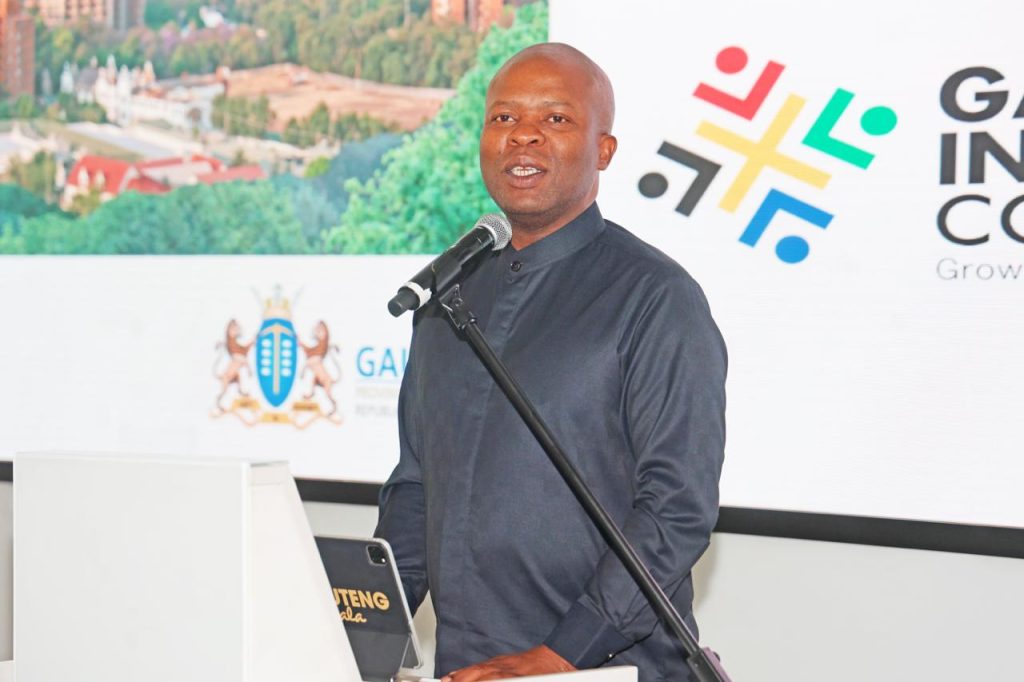
By Mandla Mpangase Small, medium, and micro enterprises stand poised to become powerful catalysts for regional trade and economic growth. This was one of the key messages Gauteng MEC for Finance and Economic Development Lebogang Maile told delegates at the African Continental Free Trade Area (AfCFTA) Conference taking place on 24 July 2025 in Johannesburg. “Micro, small, and medium enterprises (SMMEs) represent the heartbeat of Africa’s economy,” the MEC said. SMMES across Africa create the most employment, drive innovation, and provide much-needed goods and services that sustain communities. In South Africa SMMEs account for 80% of the country’s workforce and create an estimated R5-trillion turnover annually. It is estimated that there are three million SMMEs in South Africa, which employ some 13.4 million people. Of those, 2.5 million are micro-enterprises. Of these micro-enterprises, 72% operate in the informal sector. The SMME sector is vitally important to the Tshwane Automotive Special Economic Zone, which, from its inception, committed to building the local township economies of Eersterus, Mamelodi and Nellmapius. During its Phase 1 development, Africa’s first automotive city ring-fenced R1.7-billion of its procurement spend for SMMES and emerging entrepreneurs. As it expands Phase 2 of its development, TASEZ is planning to increase the numbers of SMMEs it supports through infrastructure projects, the creation of job opportunities, and skills training in both business development and in technical training for the automotive manufacturing industry. SMMEs as catalysts Speaking at the AfCFTA Conference, MEC Maile noted: “In light of the African Continental Free Trade Area – the largest free trade area in the world by the number of participating countries – SMMEs stand poised to become powerful catalysts for regional trade and economic growth.” The responsibility of the Gauteng Provincial Government, and all the stakeholders attending the conference, is not only to explore the pivotal role of SMMEs in shaping Africa’s economic landscape, but to outline their opportunities and challenges under AfCFTA, the MEC added. It was important to identify the strategies needed to harness the full potential of SMMEs for sustainable development. SMMEs in Africa operate across diverse sectors, from agriculture and manufacturing to services and digital innovation. They drive local value addition, foster entrepreneurship, and serve as engines of social mobility, particularly for youth and women. The latest FinScope MSME South Africa 2024 Survey, launched a few months ago, found that in the South African context of high unemployment rates, particularly among the youth, 30% of SMME-owners are 35 years old or younger. “While this may be considered too low, given that 50% of the adult population are youth aged 16-35 years, and that this demographic constitute 60% of the unemployed population, it indicates the important role that the SMME sector can play in turning the tide of youth unemployment in a continent with the world’s youngest population,” MEC Maile said. SMMEs creating jobs SMMEs are vital for job creation, notably absorbing the continent’s rapidly growing workforce. Their size also allows them to adapt quickly to market needs and to experiment with new products and services, facilitating innovation and flexibility. They also play a significant role in poverty reduction on the African continent, the MEC said, adding that by offering livelihoods to millions, they also play a direct role in reducing poverty and enhancing inclusive growth. The AfCFTA promises to reduce tariffs, eliminate barriers to intra-African trade, and stimulate industrialisation and investment. In doing so, it will allow the SMMEs to access a much larger market beyond their national borders and create unprecedented opportunities for growth by tapping into regional value chains, supplying components, services, or finished goods. “This not only promises gross domestic product growth across the African Union but also sets parameters for attracting investment in a depressed and volatile global economy.” A harmonised market environment would make African SMMEs more attractive to investors, both domestic and foreign, like the European Union. “The integration of markets through AfCFTA empowers SMMEs to play a transformative role in regional trade.” They can do this through enhancing of cross border trade, leveraging AfCFTA to expand their reach. “Reduced tariffs and simplified customs procedures lower the cost of doing business across borders, Maile added. This enables SMMEs to diversify their customer base, mitigate risks, and benefit from economies of scale. SMMEs as innovators In addition to this, they can also act as catalysts in driving innovation and competition. “Exposure to a broader market compels SMMEs to innovate and improve their competitiveness. This, in turn, stimulates higher quality standards, greater efficiency, and the adoption of new technologies,” Maile said. The AfCFTA facilitates the creation of regional value chains, where SMMEs can serve as suppliers, assemblers, or distributors. “By collaborating with firms in other African countries, SMMEs can access raw materials, expertise, and markets otherwise beyond their reach.” Such integration boosts industrialisation and intra-African trade, which remains concerningly low. “Intra-African trade still represents a relatively small portion of Africa’s overall global trade. In 2022, a year after the implementation of the AfCFTA, it reached $102-billion but only accounted for 15% of Africa’s total trade. “However, in 2024, intra-African trade reached $208-billion, representing a 7.7% increase compared to the previous year.” This growth could be attributed to the implementation of the AfCFTA and improved trade policies. The final key catalyst of SMMEs in the context of the AfCFTA is the promotion of inclusive economic growth. SMMEs are often owned or led by women and youth. “Their participation in regional trade under AfCFTA ensures that the benefits of integration are broadly shared. This inclusivity promotes equitable development and reduces inequalities within and between countries.” MEC Maile noted the AfCFTA creates a fertile environment in which SMMEs could survive, providing opportunities to access new markets, an improved business environment, technology and knowledge transfer, and finance and investment. However, SMMEs also face hurdles that could hinder their ability to capitalise on AfCFTA, such as a lack of information, inadequate access to finance, poor infrastructure, capacity constraints, and a complex regulatory environment. “To ensure that SMMEs become true catalysts for

Manufacturing has the potential to transform the economy and create jobs

By Mandla Mpangase Expanding manufacturing is not merely a desirable goal for Africa; it is an essential foundation on which the continent’s economic transformation, job creation, and long-term prosperity depend. This strong message was shared by Gauteng MEC for Economic Development, Lebogang Maile, at the Manufacturing Indaba 2025, taking place at the Sandton Convention Centre in Johannesburg. “This year’s gathering takes place under complex global economic and political realities where the African continent, and the entire global south, must re-think its place in the geo-political landscape,” the MEC said. “Re-thinking our place in this landscape also necessitates that we re-think how we are managing our economies and trade relationships,” Maile said, adding: “It is becoming increasingly evident that the future of our continent lies in our ability to strengthen collaborations.” The message resonates strongly with the Tshwane Automotive Special Economic Zone (TASEZ), which has set out on a mission to be a catalyst for employment, transformation, and socio-economic development and industry growth by being a node attracting automotive suppliers and automotive manufacturers, assemblers and supporting services. The MEC noted that agriculture and raw material exports had long been the backbone of African economies; the future lies in a sector that has fuelled the rise of every modern economy: manufacturing. “The expansion of manufacturing is not merely a desirable goal for the continent. It is an essential foundation upon which Africa’s economic transformation, job creation, and long-term prosperity depend.” The manufacturing sector’s ability to absorb large numbers of workers, foster innovation, and build complex value chains, makes it a critical pillar for sustainable development, Maile added. The South African Automotive Master Plan Something that is important to the TASEZ efforts to support the South African Automotive Master Plan 2035, is that of localisation and by extension, beneficiation of materials that are mined in the country. The master plan sets out several priorities to deliver on its vision of creating “a globally competitive and transformed industry that actively contributes to the sustainable development of South Africa’s productive economy, creating prosperity for industry stakeholders and broader society”. Included in the priorities is increasing local content used in manufacturing by 60% by 2035 – critical to this is the ability to beneficiate local minerals for use in manufacturing. As Maile noted, “Exporting raw materials without adding value reinforces economic dependence on foreign nations that process and manufacture these materials for profit.” Manufacturing offers an opportunity to move up the value chain, diversify economies, and reduce dependence on volatile international markets. “The continent’s demographic dividend could be the most important instrument in defining the future of the manufacturing sector.” Manufacturing is also uniquely placed to provide the scale and diversity of jobs required for Africa’s youth – Africa has a young population that is growing. It is expected that the continent’s population will double by 2050 to reach 2.5 billion people, with the majority being under the age of 25. “Manufacturing can offer employment across a spectrum of skill levels, from low-skilled assembly to high-skilled engineering. Moreover, manufacturing jobs tend to offer higher wages, better job security, and more opportunities for advancement compared to informal and even agricultural work.” Adding value – and jobs Value addition not only increases export revenues but also fosters the development of supporting industries such as packaging, transportation, marketing, and financial services. These interlinked sectors create a multiplier effect, generating jobs and boosting incomes across the economy. “In the Gauteng Province, we see the value of our investment in the manufacturing sector,” Maile said. It is the largest sector in the provincial economy, employing more than 500 000 people, and is also the biggest in South Africa, contributing more than 33% to the gross domestic product. Manufacturing is also a powerful conduit for technology transfer. “As African firms engage in manufacturing, they gain access to new machinery, production processes, and management techniques.” Partnerships with foreign firms and integration into global value chains further accelerate the transfer of knowledge and skills. At the moment, Africa’s share of global manufacturing output remains less than 2%. “But the continent’s potential is enormous,” Maile said. The African Continental Free Trade Area, which seeks to create a single market of over a billion people, offers an unprecedented opportunity for manufacturers to achieve economies of scale, access new markets, and increase competitiveness. “With the right policies, African manufacturers can integrate into global value chains, supplying not only regional markets but also Europe, Asia, and the Americas.” Despite its promise, the development of manufacturing in Africa faces significant hurdles, including inadequate infrastructure, unreliable energy supplies, limited access to finance, bureaucratic red tape, and skills gaps. “Addressing these challenges requires coordinated action by governments, the private sector, and international partners.” Key is investing in infrastructure. Reliable roads, ports, energy, and digital networks are essential for competitive manufacturing. “We must also prioritise improving the business environment. Streamlined regulations and transparent governance attract investment and foster entrepreneurship.” Skills are needed Another message from Maile hit home for TASEZ: making the building of human capital a key priority. TASEZ has launched its training academy to provide business-related skills to small, medium, and micro enterprises (SMMEs) as well as technical skills to workers who will be dealing with a changed automotive manufacturing sector that is focused on new energy vehicles. “Education and vocational training tailored to industry needs will ensure a skilled and adaptable workforce,” Maile told the Manufacturing Indaba. In addition, regional integration is one of the most critical priorities if the continent is to realise its manufacturing potential. “Strengthening trade ties and harmonising regulations across borders is crucial,” the MEC said. “Regional integration significantly boosts manufacturing economic development by expanding markets, fostering specialisation, and promoting innovation and efficiency. It allows countries to overcome limitations of smaller domestic markets, creating larger customer bases and facilitating economies of scale in manufacturing.” Integration also encourages specialisation within regional value chains, leading to increased efficiency and competitiveness. In his conclusion, the MEC reminded the audience: “The choices made today will determine whether the